Why Dogs Shed Hair and How to Manage It
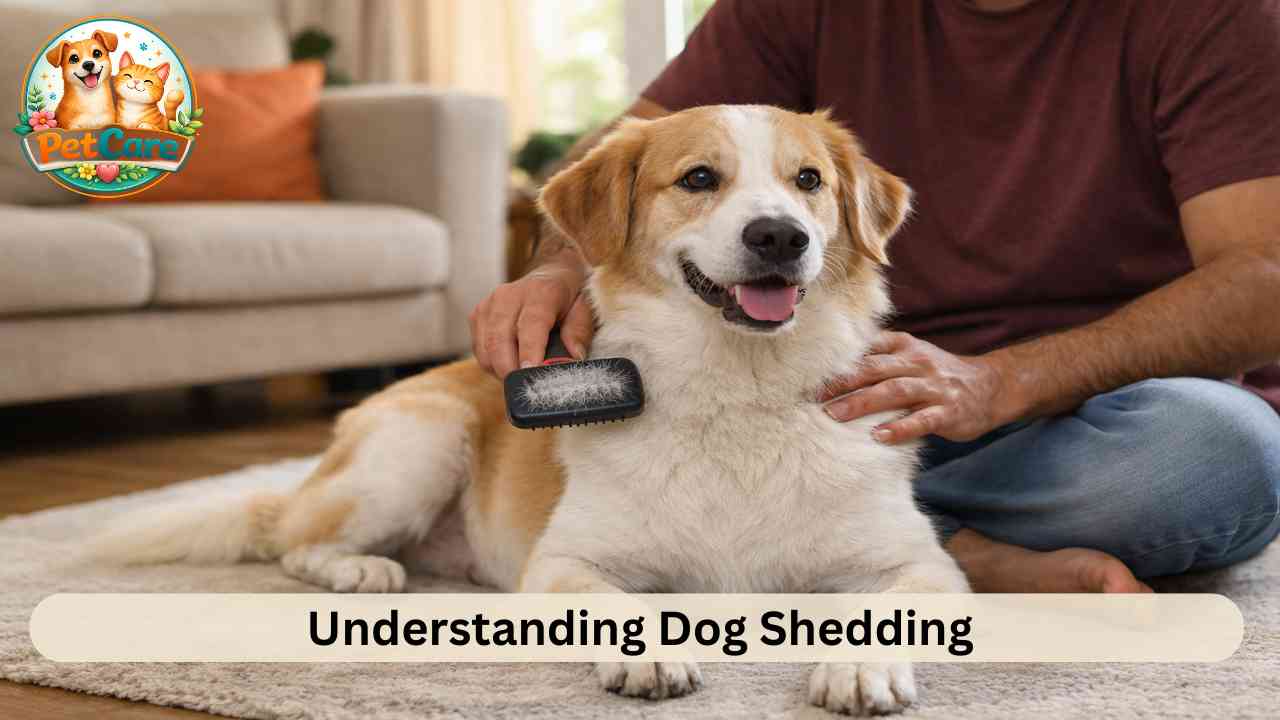
If you live with a dog, you have probably noticed hair on the sofa, clothes, or even floating around the floor. For many new pet owners, this can be surprising at first. They may wonder if something is wrong or if the dog is not being cared for properly.
In reality, shedding is a completely normal part of living with a dog. Almost all dogs shed at some level, whether they have short fur or long coats. Understanding why dogs shed hair and how to manage it can make life easier for both the dog and the owner.
With a few simple grooming habits and small changes at home, shedding becomes much easier to handle. Let’s look at why it happens and what pet owners can realistically do about it.
Understanding Why Dogs Shed Hair

Dogs shed hair as part of their natural coat cycle. Just like humans lose hair every day, dogs also lose old or damaged fur so that new hair can grow in its place.
The dog’s coat acts as protection for the skin. Over time, older hair falls out and new hair replaces it. This process keeps the coat healthy.
In most homes, shedding becomes more noticeable during certain seasons. Many pet owners see more fur on the floor during changes in weather.
Common reasons dogs shed include:
Natural hair growth cycle
Seasonal coat changes
Temperature changes
Normal grooming and movement
Age of the dog
For beginners, it helps to remember that dog shedding is normal behavior in most cases.
Seasonal Shedding in Dogs

One of the biggest reasons for heavy shedding is seasonal change.
Many dogs grow a thicker coat during cooler months. When the weather starts warming up, they naturally lose some of that extra fur.
This process is commonly called seasonal shedding in dogs.
In India, where temperatures change between winter and summer, dogs often shed more during:
Late winter
Early summer
Sudden temperature shifts
During these times, pet owners may notice more fur on carpets, furniture, and clothes.
Dog Breeds That Shed More Hair
Some dogs shed more simply because of their coat type. This does not mean the dog is unhealthy—it just means their fur cycle is more active.
Common coat types that shed more include:
Double-coated breeds
Thick winter coats
Medium to long fur
Breeds with double coats often shed more during seasonal changes.
Short-haired dogs also shed, but the hair may be less noticeable compared to long fur.
For new pet owners, learning about dog breeds that shed more hair can help set realistic expectations before bringing a dog home.
How to Manage Dog Shedding at Home

Managing shedding is less about stopping it and more about controlling the loose hair.
The goal is to remove loose fur regularly before it spreads around the house.
Here are some practical ways how to manage dog shedding at home.
1. Regular Brushing
Brushing is the most effective habit for reducing loose fur around the home.
Brushing helps:
Remove loose hair
Spread natural oils through the coat
Keep the coat clean and smooth
In most homes, brushing 2–3 times per week works well. During heavy shedding seasons, daily brushing can make a big difference.
2. Maintain a Simple Grooming Routine
A consistent dog grooming routine for shedding control helps prevent fur from building up.
Basic grooming habits include:
Brushing the coat regularly
Keeping the dog’s sleeping area clean
Checking for loose fur around the neck and tail
Many pet owners find that grooming sessions also help strengthen bonding with their dog.
3. Provide Balanced Nutrition
What a dog eats can influence the condition of the coat.
A balanced diet for healthy dog coat generally supports better fur quality.
Common feeding habits that help include:
Fresh drinking water available at all times
Consistent meal schedule
Nutritious dog food suited for the dog’s size and age
Healthy coats tend to shed in a more natural and manageable way.
4. Keep the Living Area Clean
Loose fur can spread quickly across floors and furniture.
Simple cleaning habits make a big difference.
Helpful steps include:
Sweeping or vacuuming regularly
Washing dog bedding often
Using washable covers on sofas
In many homes, these small routines keep the environment comfortable even with a shedding dog.
5. Create a Comfortable Environment
Dogs often shed more when they experience sudden changes in temperature or surroundings.
Maintaining a comfortable environment helps stabilize the coat cycle.
This includes:
A clean sleeping area
Good ventilation in the home
Regular outdoor activity
These everyday factors support a healthy coat naturally.
Common Beginner Mistakes When Dealing With Dog Shedding
New dog owners sometimes try quick fixes that do not really help.
Understanding common dog shedding problems for pet owners can prevent frustration.
Some common mistakes include:
Brushing only when shedding becomes visible
By the time hair is everywhere, the coat may already have a lot of loose fur. Regular brushing prevents buildup.
Using harsh grooming tools
Rough tools can pull hair unnecessarily. Gentle brushing works better for most dogs.
Ignoring the dog’s bedding
Loose fur collects heavily where dogs sleep. Cleaning bedding regularly helps control shedding in the house.
Expecting zero shedding
Even well-groomed dogs shed. The goal is to manage it, not eliminate it completely.
Tips for Reducing Dog Hair Around the House

Many pet owners look for ways to reduce dog hair in the house without complicated routines.
These simple tips help keep things manageable:
Brush the dog outdoors when possible
Use washable throws on furniture
Keep lint rollers handy for clothes
Groom the dog before seasonal changes
Over time, these habits make shedding far less stressful.
Building a Simple Shedding Management Routine

A small weekly routine works best for most homes.
A typical schedule might look like this:
2–3 times per week
Brush the dog’s coat
Once per week
Wash bedding or blankets
Daily
Quick sweep or vacuum in areas where the dog spends time
Consistency is more effective than occasional heavy cleaning.

FAQs On Why Dogs Shed Hair and How to Manage It
Most dogs shed to some degree. Some breeds shed more than others, but complete non-shedding is uncommon.
In many homes, brushing 2–3 times per week works well. During seasonal shedding periods, more frequent brushing can help.
Yes, many dogs shed more during seasonal changes, especially when the weather becomes warmer.
Regular grooming helps remove loose fur before it spreads around the home, which makes shedding easier to manage.
A Few Honest Words Before You Go
Living with a dog means accepting a little fur around the house. Shedding is simply part of a dog’s natural coat cycle.You need not worry. By understanding why dogs shed hair and how to manage it, pet owners can handle shedding calmly and confidently.Regular brushing, simple grooming habits, balanced feeding, and a clean home environment go a long way in keeping things under control.For many families, once a routine is established, dog shedding becomes just another normal part of daily life with a pet.Trust me,if you follow these tips then it will be not a big deal for you.