Rabbit Care Guide for First-Time Owners
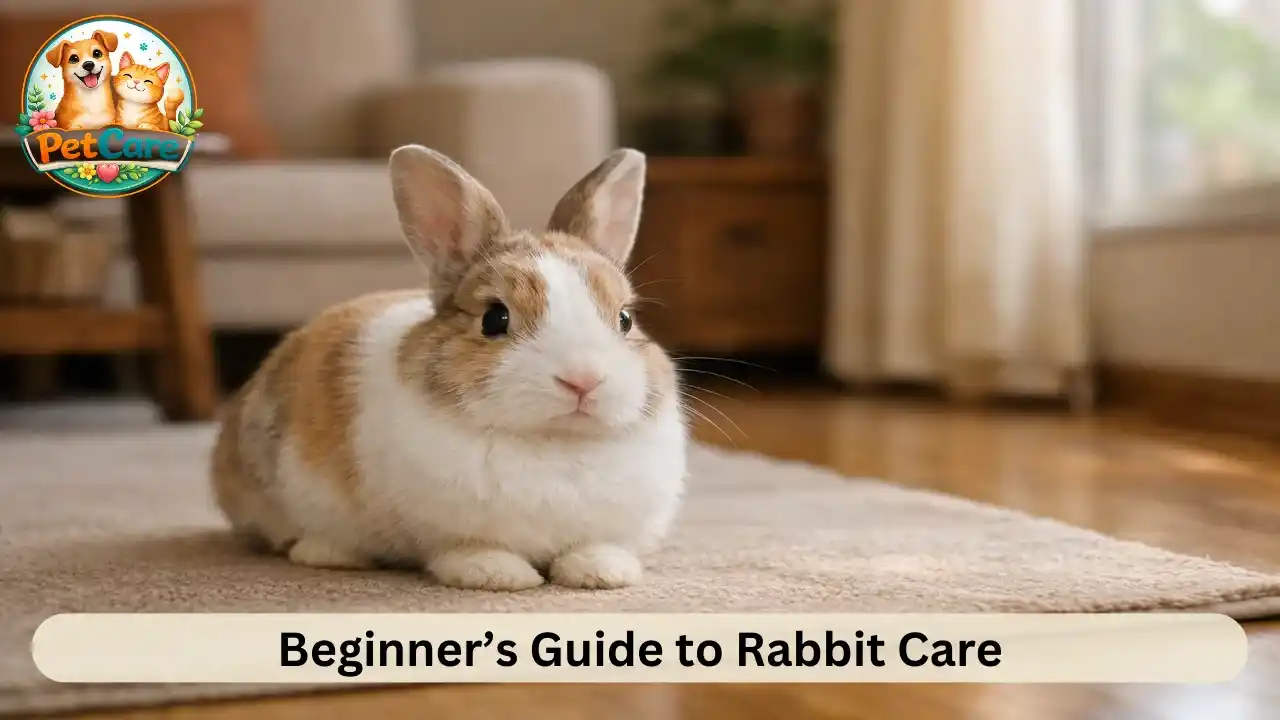
Bringing home a rabbit for the first time is a beautiful experience. They are quiet, gentle, and full of personality in their own calm way. But many people assume rabbits are “low-maintenance pets,” and that’s where beginners usually get confused.
This Rabbit care guide for first-time owners is written from real-life experience and practical understanding. In most homes, rabbits adjust well, but only when their basic needs are properly understood. If you’re planning to welcome one into your family, this guide will help you start the right way.
Understanding Rabbits as Pets
Before we talk about food bowls and cages, it’s important to understand that rabbits are sensitive animals. They may look small and simple, but they need routine, patience, and a quiet environment.
In many Indian households, rabbits are kept in balconies or spare rooms. That’s fine, as long as the space is safe and comfortable. Rabbits dislike loud noise, sudden handling, or being chased.
They are prey animals by nature. So if your rabbit seems shy in the beginning, that’s completely normal.
Setting Up the Right Rabbit Habitat
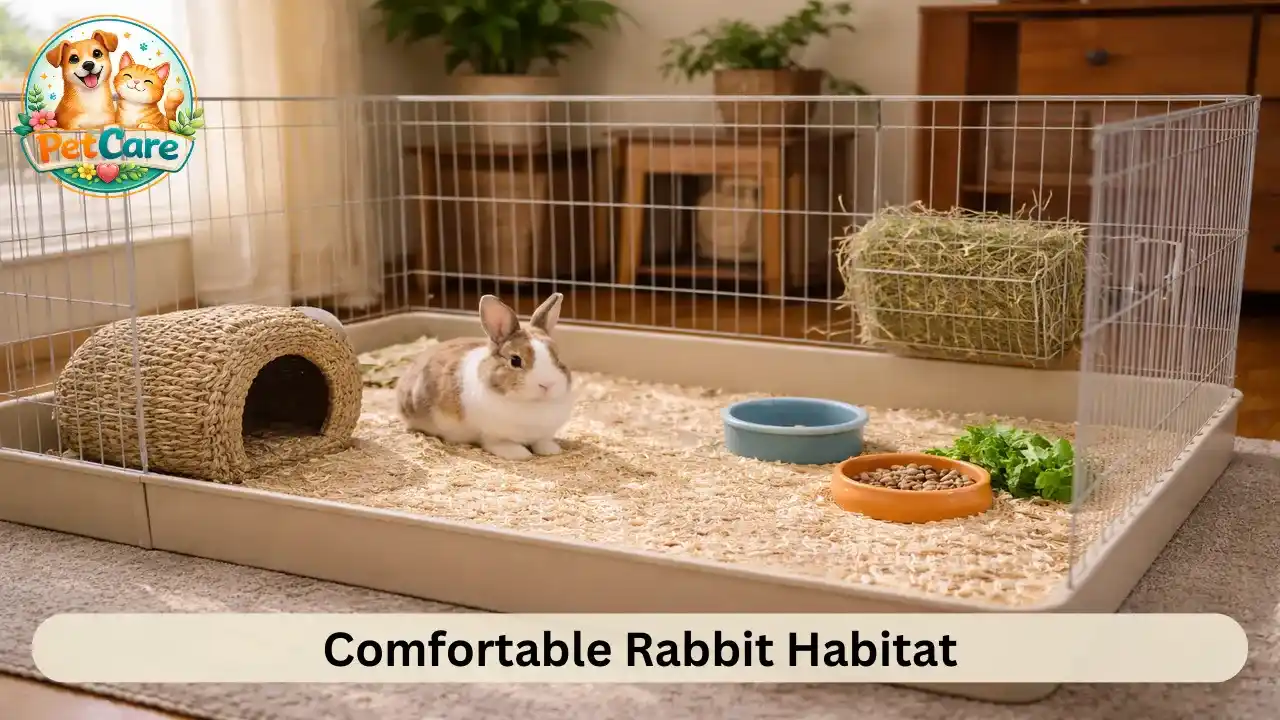
One of the most important parts of this Rabbit care guide for first-time owners is habitat setup. A good environment makes everything easier — feeding, bonding, and daily care.
Choosing the Right Space
Rabbits need more space than most first-time owners expect.
A large indoor enclosure or roomy cage
A soft resting area
Proper ventilation
Protection from heat and direct sunlight
In Indian weather, avoid placing the cage in direct sunlight, especially during summers. Generally, a well-ventilated indoor space works best.
Flooring Matters
Wire floors can make rabbits uncomfortable. Instead, use:
Soft mats
Wooden boards
Clean bedding material
Make sure the surface is not slippery.
Rabbit Diet for Beginners

Feeding is where many people make mistakes. A balanced rabbit diet for beginners should be simple and natural.
What Rabbits Commonly Eat
Fresh hay (this should be the main part of their diet)
Leafy greens like coriander, spinach (in moderate amount)
Fresh vegetables
Clean drinking water
Hay is very important because it keeps them engaged and supports natural chewing habits.
What to Avoid
Sugary treats
Fried or spicy human food
Too many fruits
Leftover kitchen scraps
For many pet owners, the biggest beginner mistake is overfeeding. Rabbits eat small amounts throughout the day, not large meals at once.
Daily Care Routine

Rabbits are creatures of habit. Once they settle into a routine, they become more relaxed.
Daily Tasks
Replace water with fresh water
Check their eating habits
Clean wet or dirty bedding
Allow exercise time outside the cage
Exercise is very important. In most homes, allowing 1–2 hours of supervised free movement inside a room works well.
Rabbit exercise needs include hopping, stretching, and exploring. Without daily movement, they may become bored.
Rabbit Grooming Basics
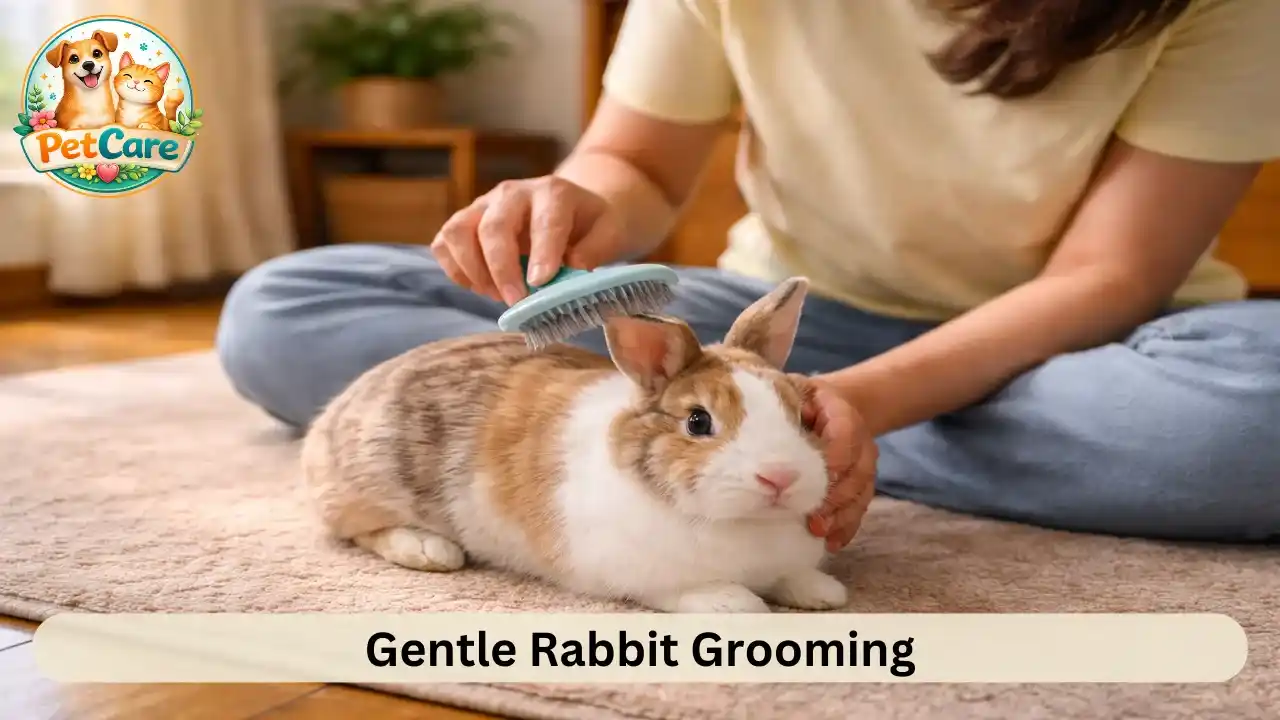
Many new owners don’t realize that rabbits also need grooming.
Brushing
If you have a fluffy breed, regular brushing helps remove loose fur. Even short-haired rabbits benefit from gentle brushing once or twice a week.
Nail Care
Keep an eye on nail length. They grow steadily, and long nails can make movement uncomfortable.
Clean Living Area
Rabbits are naturally clean animals. If their space is maintained properly, they stay fresh without needing frequent baths.
Avoid bathing unless absolutely necessary. In general, rabbits groom themselves very well.
Understanding Rabbit Behavior
One of the most rewarding parts of owning a rabbit is understanding their small gestures.
Common Behaviors
Gentle tooth grinding (usually a sign of comfort)
Binkies (happy little jumps)
Thumping (sign of alertness or uneasiness)
Understanding rabbit behavior takes time. In the beginning, observe more and interfere less.
For many pet owners, bonding improves simply by sitting quietly near the rabbit rather than forcing interaction.
Bonding with Your Rabbit

Patience is everything.
Don’t try to pick up your rabbit repeatedly in the first few days. Instead:
Sit on the floor
Offer small leafy greens from your hand
Speak softly
Generally, rabbits trust those who move slowly and calmly.
Building trust may take a few weeks, but once they feel safe, they become surprisingly affectionate.
Rabbit-Proofing Your Home
Rabbits love to chew. That’s natural behavior.
Before allowing free movement, make sure to:
Hide electrical wires
Remove small plastic items
Cover wooden furniture corners
Keep houseplants out of reach
In most homes, chewing is the first challenge beginners face. Providing chew-safe toys can help redirect that habit.
Common Beginner Mistakes
Every new rabbit owner makes mistakes. What matters is correcting them early.
Here are some common ones:
Buying a small cage and never allowing exercise
Feeding mainly pellets instead of hay
Handling too frequently
Ignoring daily cleaning
Keeping them in hot outdoor conditions
This Rabbit care guide for first-time owners highlights that comfort, diet, and patience are the foundation of good rabbit care.
Indoor vs Outdoor Rabbits
In India, indoor rabbits are generally easier to manage.
Outdoor setups can expose them to:
Extreme temperature changes
Loud street noise
Mosquitoes and dust
For first-time owners, an indoor rabbit care setup is usually safer and more manageable.
Is a Rabbit the Right Pet for You?
Rabbits are peaceful companions. But they are not “starter pets” for children without adult supervision.
They need:
Daily interaction
Clean surroundings
Fresh food
Gentle handling
If you enjoy calm environments and quiet bonding time, rabbits can be wonderful companions.

FAQs About Rabbit Care Guide for First-Time Owners
A rabbit needs enough space to stretch fully, hop comfortably, and stand on its hind legs. Larger enclosures with daily exercise time are ideal.
Yes, indoor setups generally work better in Indian climate conditions, especially during hot summers.
Hay should be available most of the time. Fresh greens and vegetables can be given daily in moderate amounts.
Most rabbits prefer sitting beside you rather than being lifted. Gentle interaction builds stronger trust.
A Few Honest Words Before You Go
Owning a rabbit teaches patience in a very beautiful way. They don’t express love loudly like dogs or play actively like cats but their affection is softer, quieter, and earned slowly. I still remember when I first brought my rabbit home,for the first few days, it would just sit in one corner and quietly observe everything around him. In starting,it will take time to socialize with you. From my experience, the key is consistency. When you provide fresh hay daily, keep their space clean, and sit near them, they start trusting you. The only thing they want is love and time.There were evenings when I would simply sit beside the enclosure without even touching him, and slowly he began licking my hand for attention and that’s when I understood that rabbits trust actions more than words. If you give them space, routine, and gentle care, they slowly become a peaceful little presence in your home and honestly, that quiet companionship feels very special. If you start with patience and practical care, your journey with your rabbit can be simple, peaceful, and truly rewarding.At last,I personally suggest you that if you are thinking of keeping a pet,then it should be a Rabbit.Trust me,living with a rabbit will be fun and you will enjoy it.