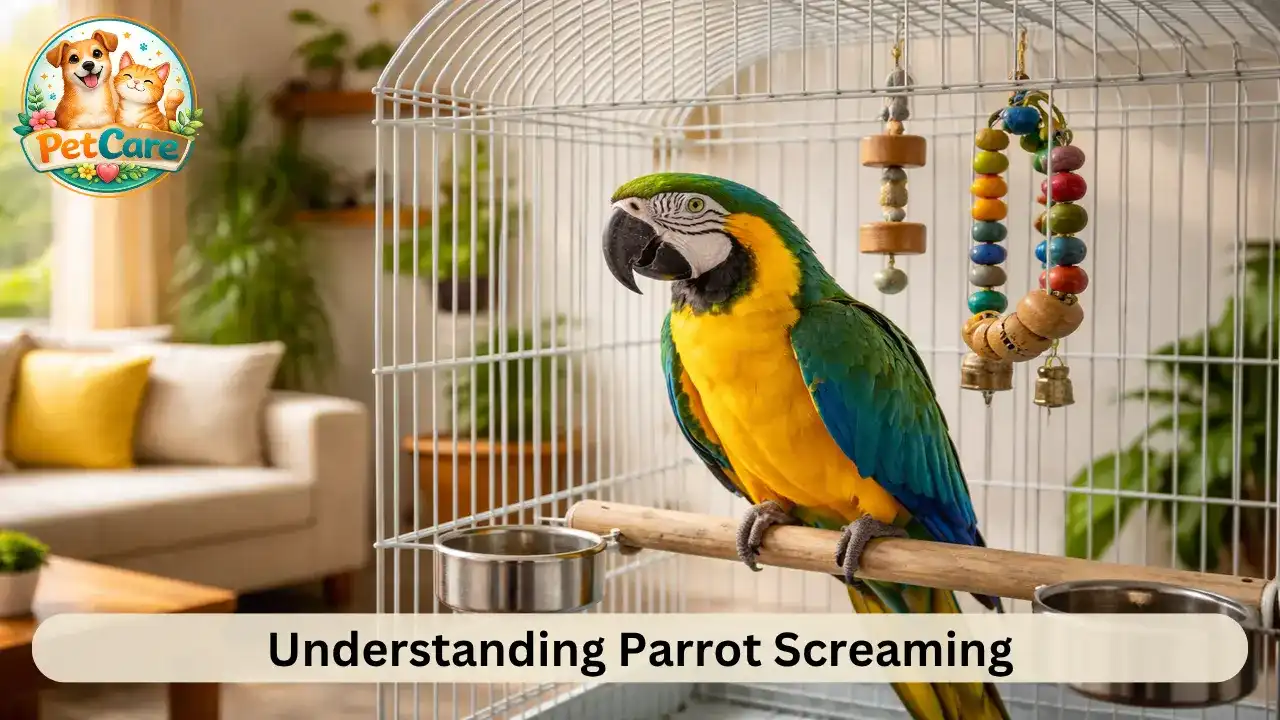
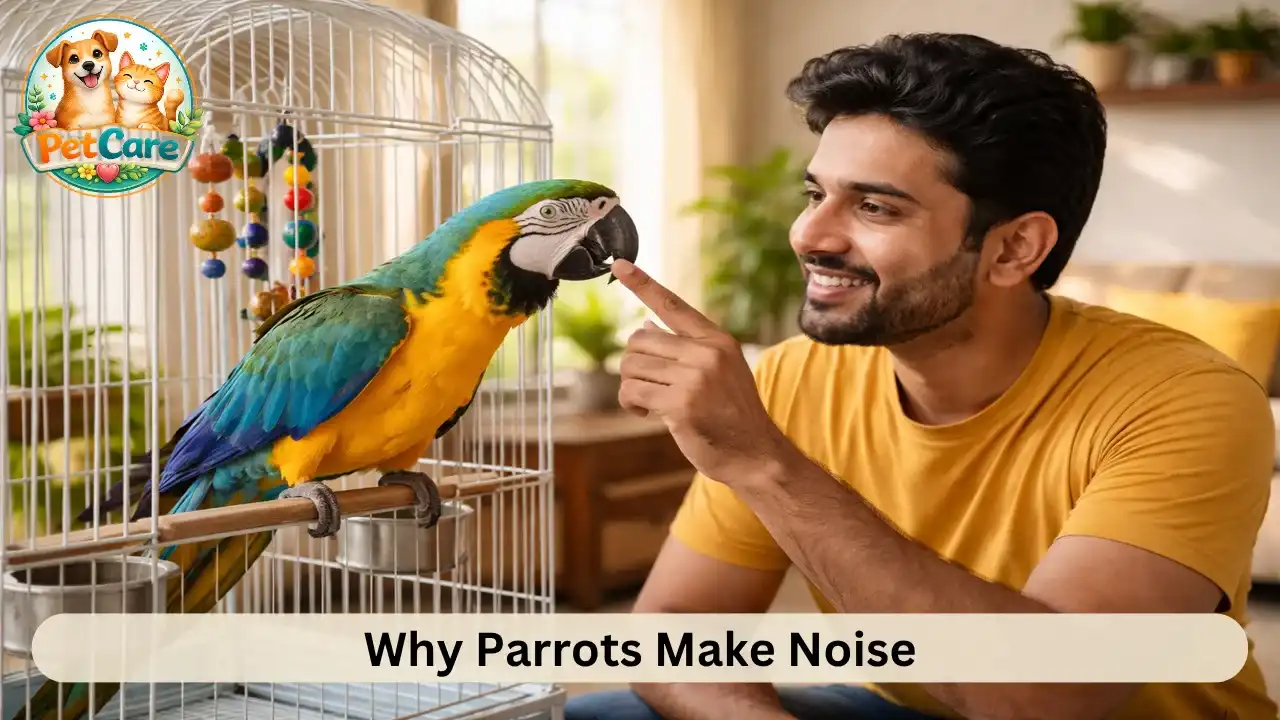
Before jumping to any parrot screaming problem solution, it’s important to understand one simple truth:
Parrots are naturally vocal birds.
In the wild, they scream to:
- Communicate with their flock
- Signal danger
- Call their partner
- Express excitement
So some amount of noise is completely normal. The problem starts when the screaming becomes excessive or happens at inconvenient times.
Let’s look at the common reasons for excessive parrot screaming.
Common Reasons for Excessive Parrot Screaming
1. Seeking Attention
In many Indian homes, parrots are kept in the living room where there is constant activity. If your parrot notices that screaming makes you rush to the cage, talk loudly, or react strongly, it may repeat that behavior.
For many pet owners, this becomes an accidental habit — the bird learns that:
“If I scream, I get attention.”
2. Boredom and Lack of Stimulation
A bored parrot is often a noisy parrot.
Parrots are intelligent. Without toys, interaction, or mental stimulation, they may scream out of frustration. This is very common in single-parrot households.
3. Loneliness
Parrots are social birds. In nature, they are rarely alone.
If your bird is left alone for long hours without interaction, parrot screaming at night or during quiet hours can happen as a calling behavior.
4. Sudden Changes in Environment
New house, new cage placement, new family members, or even rearranged furniture can cause stress.
Parrot behavior problems like screaming often increase during such changes.
5. Hormonal or Seasonal Behavior
In certain seasons, some parrots naturally become louder. This is generally temporary and improves with routine and calm handling.
Parrot Screaming Problem Solution: Practical Steps That Work
Now let’s talk about realistic and beginner-friendly solutions. These are simple adjustments that help in most homes.
1. Do Not Reward the Screaming
This is one of the most important parts of any parrot screaming problem solution.
If your parrot screams for attention:
- Avoid shouting back.
- Avoid rushing immediately.
- Wait for a few seconds of silence.
Then calmly approach and reward quiet behavior with gentle talk or interaction.
This teaches:
Quiet = Attention
Screaming = No reaction
It takes patience, but consistency works in most cases.
2. Create a Daily Routine
Parrots feel secure when they know what to expect.
Set a basic daily schedule:
- Morning uncovering time
- Feeding time
- Play time
- Quiet rest time
- Night covering time
A structured routine reduces anxiety and helps in reducing parrot screaming naturally.
3. Provide Mental Stimulation
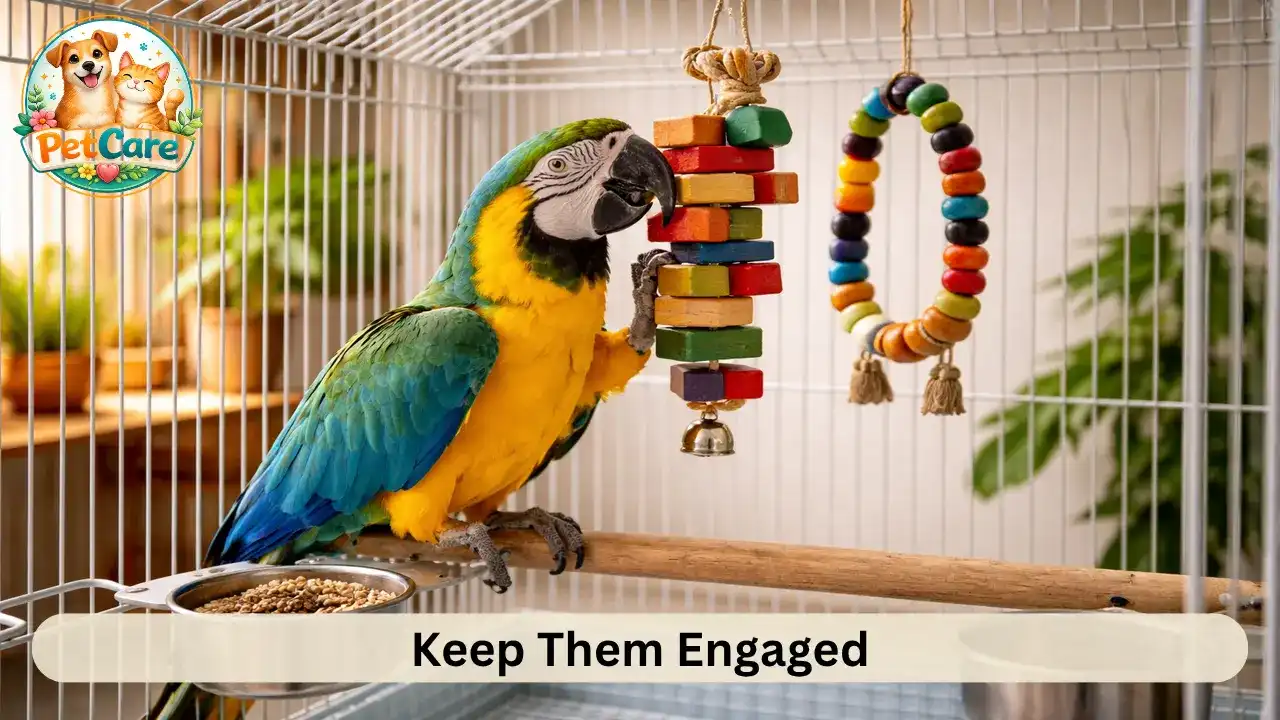
A big part of controlling loud parrot behavior is keeping them mentally engaged.
You can:
- Rotate toys every week
- Add safe chew toys
- Introduce simple foraging activities
- Spend 15–20 minutes of focused interaction daily
In many homes, just increasing playtime significantly reduces noise.
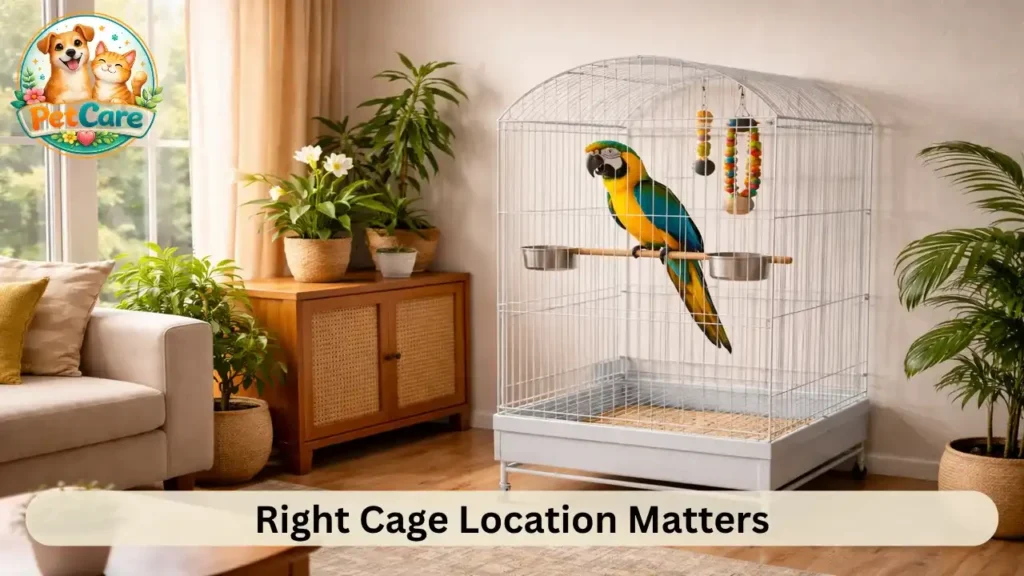
4. Check Cage Placement
Cage location matters more than beginners think.
Avoid:
- Placing cage in complete isolation
- Keeping cage near constant TV noise
- Placing cage in dark corners
Instead:
- Keep the cage in a well-lit area
- Allow visibility of family activity
- Ensure proper sleep at night (10–12 hours of darkness)
Improper sleep is a common reason behind parrot screaming at night.
5. Teach a “Quiet” Cue
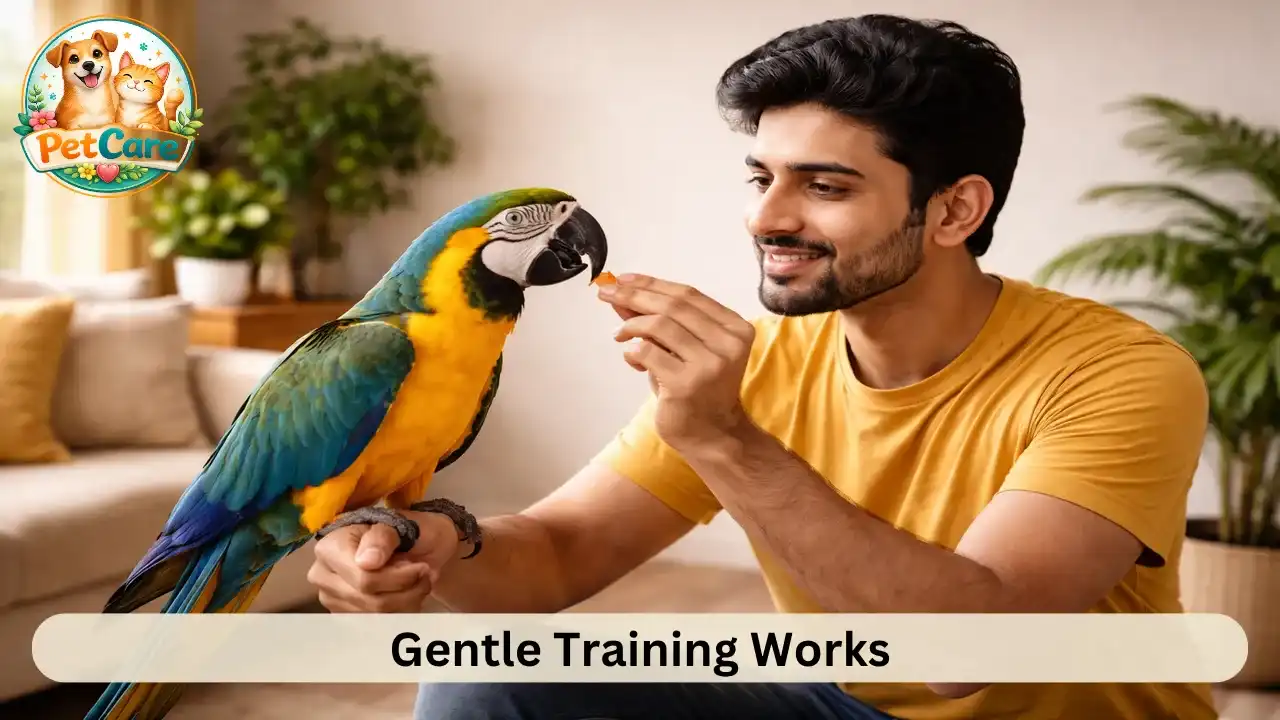
Yes, parrots can learn boundaries.
When your parrot is calm:
- Say a gentle cue like “Quiet” in a soft tone
- Reward calm behavior
- Repeat daily
Over time, many parrots associate the word with lowering their volume.
6. Encourage Independent Play
If your parrot depends on you for constant entertainment, screaming may start when you leave the room.
To reduce separation-related noise:
- Introduce independent toys
- Gradually increase alone time
- Avoid dramatic exits and entries
This helps reduce parrot separation anxiety in a gradual and healthy way.
Common Beginner Mistakes
Many new owners unknowingly make these errors:
- Covering the cage immediately when screaming starts
- Shouting back loudly
- Hitting or shaking the cage (never recommended)
- Constantly changing cage location
- Giving treats during screaming
These actions may increase stress and worsen the problem.
Remember, parrots respond best to calm, predictable behavior.
How Long Does It Take to Reduce Parrot Screaming?
This is one of the most common questions.
In most homes:
- Small improvements are seen within 1–2 weeks
- Consistent training may take 4–6 weeks
- Some natural vocal behavior will always remain
Parrots are not silent pets. The goal is not total silence — it is manageable and reasonable noise.
When Is Screaming Considered Normal?
Not all screaming is a problem.
Normal situations include:
- Morning greeting calls
- Evening flock calls
- Short excitement bursts
- Responding to outside bird sounds
Trying to stop all noise may frustrate both you and your parrot.
Instead, focus on reducing excessive or attention-driven screaming.