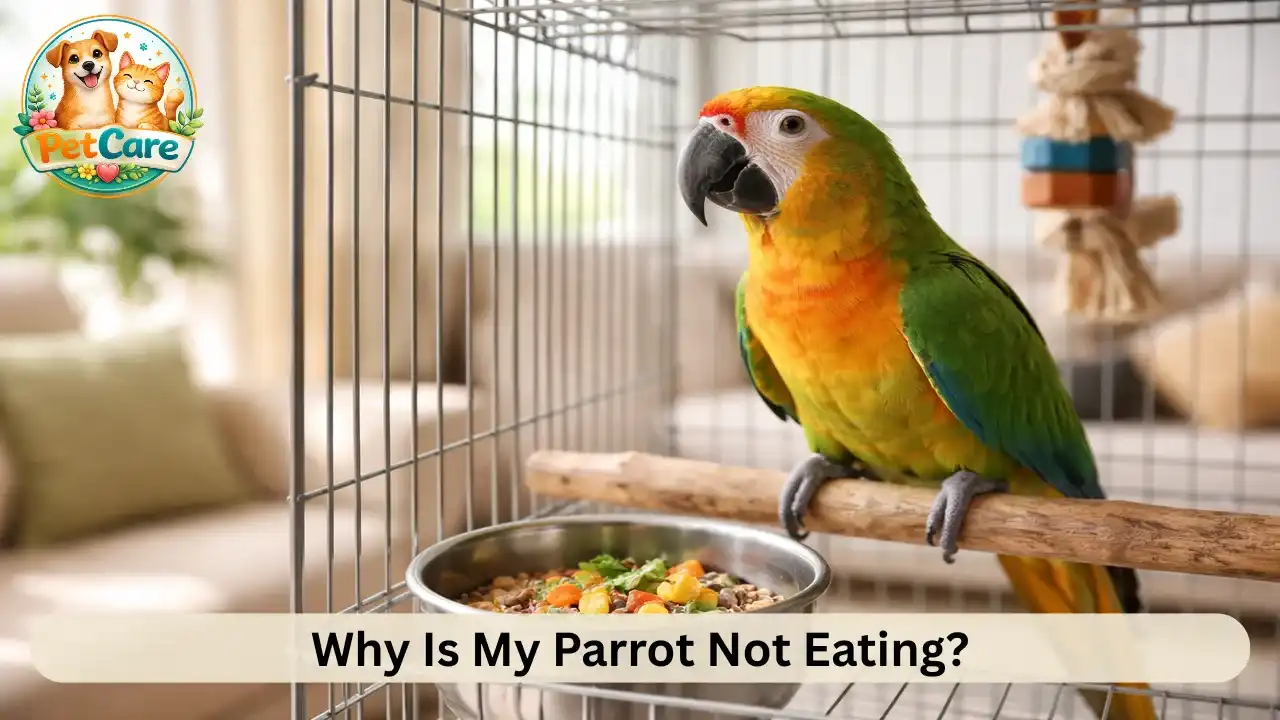
Parrot Not Eating What To Do

Parrot not eating what to do

If you have ever noticed your parrot ignoring its food bowl, you know how worrying it can feel. Many beginners panic and immediately think something serious is wrong. But in most homes, there are simple, everyday reasons behind this behavior.

So if you’re wondering parrot not eating what to do, take a deep breath first. Parrots can be sensitive birds. Small changes in routine, food, or environment can affect their appetite. The good news is that in many cases, careful observation and simple adjustments can help.

Let’s go step by step and understand what might be happening.

Parrot Not Eating What To Do – First Stay Calm

Before jumping to conclusions, observe your bird closely.

Ask yourself:

  • Has anything changed recently?
  • Did you introduce new food?
  • Is the cage placed somewhere new?
  • Has the weather changed suddenly?

Parrots are creatures of habit. Even moving the cage to another corner of the room can affect them.

In most cases, appetite changes are linked to environment, routine, or feeding habits — not something extreme.

Common Reasons Why a Parrot Stops Eating

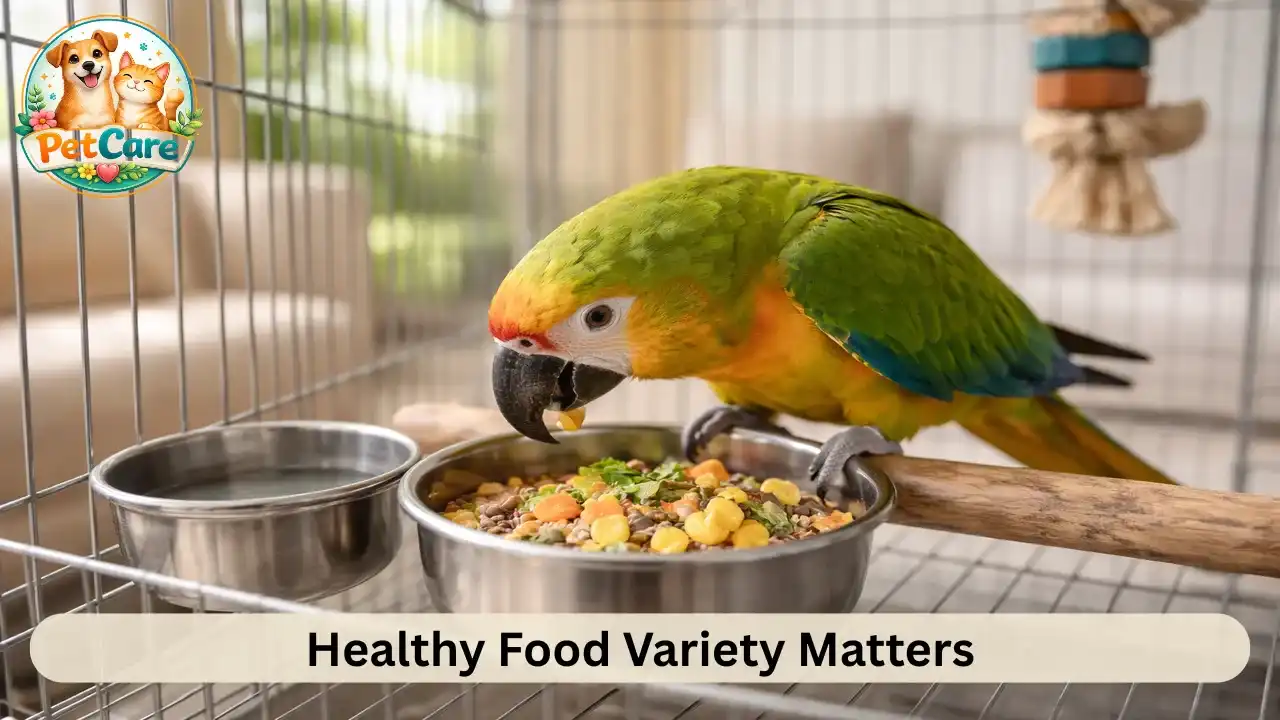
Parrot eating a mix of seeds and fresh vegetables from a clean food bowl at home.

Understanding the reason is the first step in solving the problem.

1. Sudden Change in Diet

One of the most common causes of parrot not eating food is a sudden switch in diet.

If your parrot was eating seeds and you suddenly moved to pellets, it may simply refuse at first. For many pet owners, this transition takes time.

Instead of changing everything at once:

  • Mix old food with new food gradually.
  • Increase the new food slowly over several days.

Parrots can be picky eaters, especially in Indian homes where feeding habits differ from commercial recommendations.

2. Stress or Environmental Change
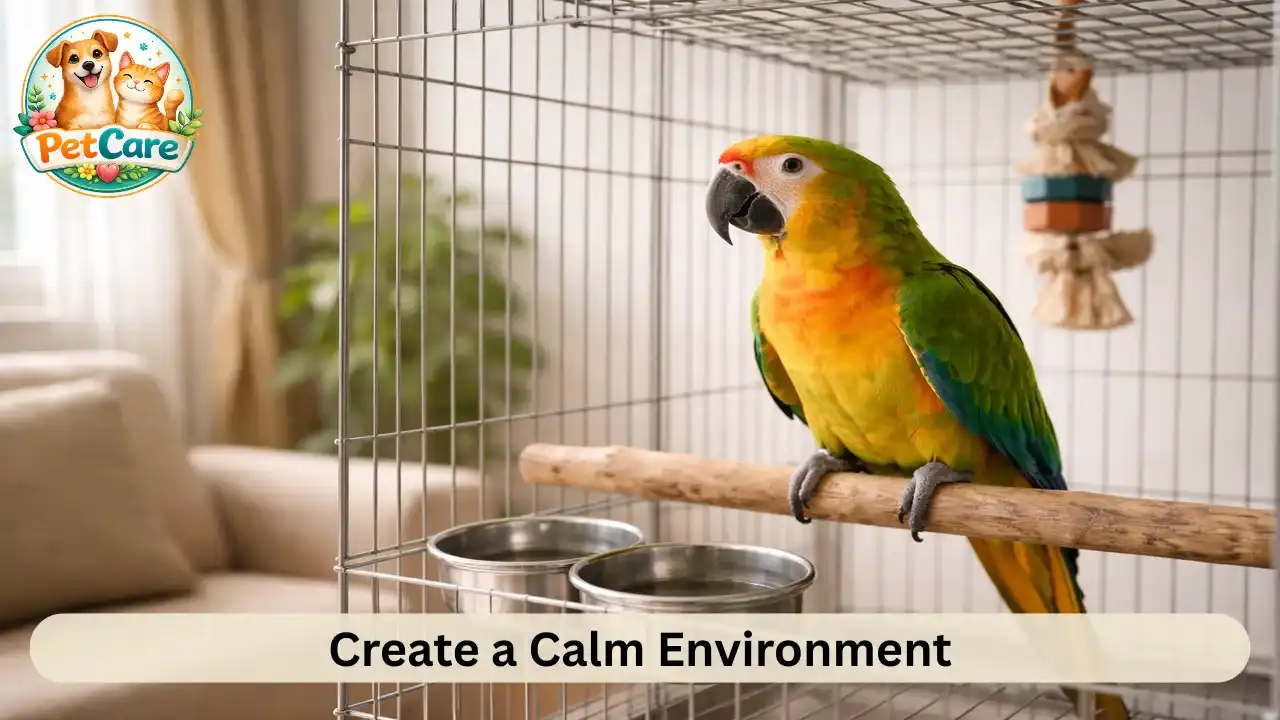
Parrot resting peacefully on a perch in a quiet corner of a home.

If your parrot not eating and sitting quietly, stress could be the reason.

Common stress triggers:

  • Loud construction noise
  • Guests in the house
  • New pets
  • Change in cage location
  • Extreme temperature changes

Parrots observe everything. Even a ceiling fan speed change or constant TV noise can disturb them.

Try to:

  • Keep the cage in a calm area.
  • Maintain a steady routine.
  • Avoid frequent handling if the bird seems withdrawn.

3. Boredom with the Same Food

Yes, parrots get bored too.

If your pet parrot not eating properly, it could simply be tired of eating the same thing daily.

You can safely offer variety like:

  • Small pieces of apple (without seeds)
  • Carrot slices
  • Spinach leaves
  • Soaked grams
  • Cooked plain rice (in small quantity)

Rotate options through the week. Variety keeps parrots mentally stimulated.

4. Dirty Food Bowl or Water Bowl

In many beginner setups, hygiene is overlooked.

If the food bowl smells stale or the water looks cloudy, parrots may refuse to eat.

Daily habits to follow:

  • Wash food and water bowls every day.
  • Remove leftover fresh food after 2–3 hours.
  • Keep the cage floor clean.

A clean setup encourages regular eating.
Baby Parrot Not Eating – Extra Care Needed

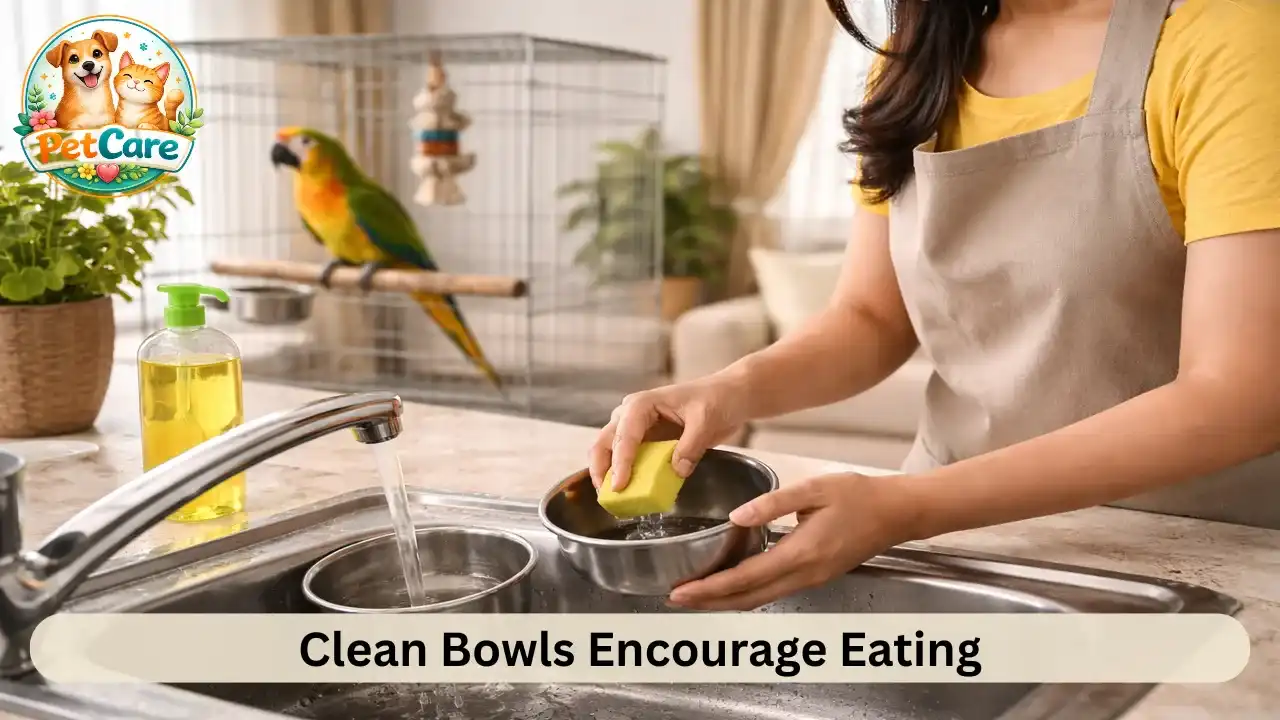
Pet owner washing parrot food and water bowls in a home kitchen.

If you are dealing with a baby parrot not eating, be extra gentle.

Young birds:

  • May take time to adjust to a new home.
  • Might not recognize unfamiliar food.
  • Feel insecure easily.

Keep handling minimal during the first few days. Sit near the cage and talk softly. Let the bird feel safe.

In many homes, baby parrots start eating comfortably once they feel secure.

How Long Can a Parrot Go Without Eating?

A common question beginners ask is about how long a bird can skip food.

While parrots may eat less for a short time due to stress or change, prolonged refusal is not normal. If you notice your parrot not eating but drinking water, observe carefully.

If:

  • The bird looks weak,
  • Feathers appear fluffed for long hours,
  • It remains inactive all day,

It’s always safer to consult a qualified avian professional for guidance.

Early attention is better than waiting.

Parrot Refusing Food – Practical Things You Can Try

Owner gently offering fresh fruit pieces to a pet parrot at home.

If your parrot refusing food, here are simple steps that generally help:

✔ Offer Food in the Morning

Parrots are usually hungriest in the morning. Replace food early in the day.

✔ Reduce Seed Overfeeding

Sometimes parrots fill up on favorite seeds and ignore balanced food.

Control quantity instead of keeping unlimited seeds.

✔ Hand Offer Small Pieces

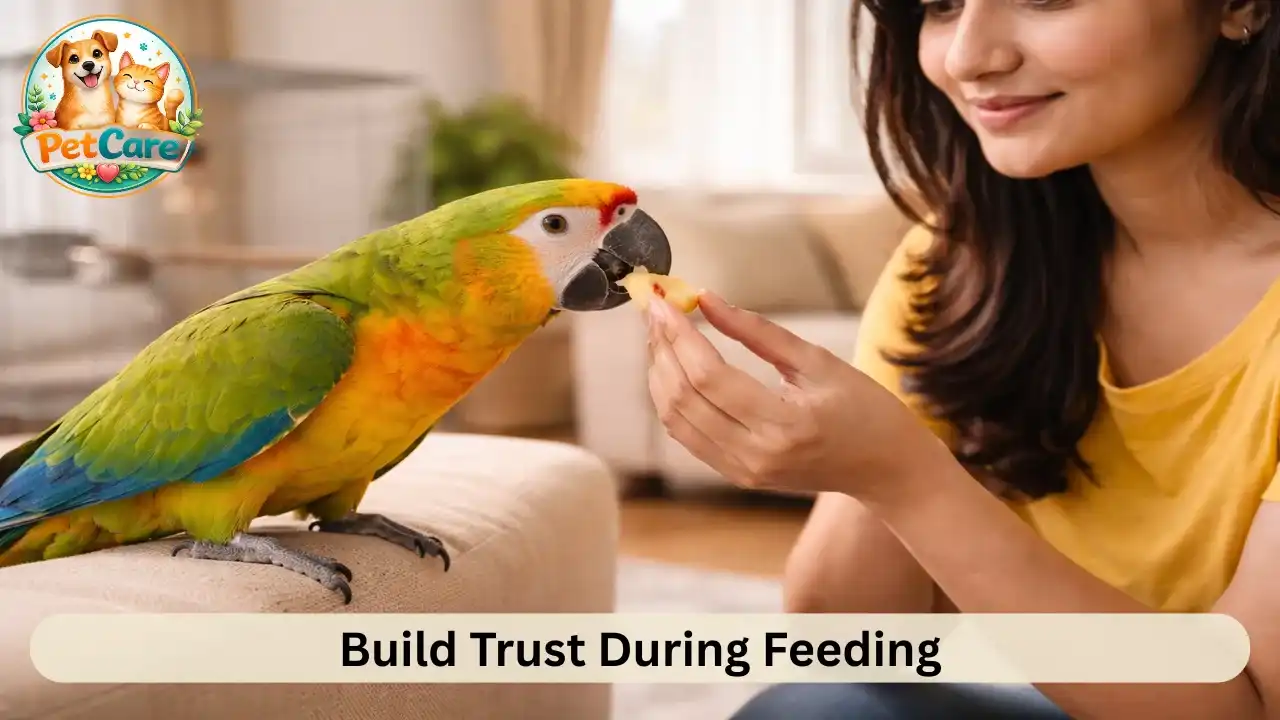
Try offering small pieces of fruit or vegetable by hand. Many parrots respond better to interaction.

✔ Keep a Feeding Routine

Feed at the same time daily. Birds feel secure with routine.

Signs Your Parrot Is Not Eating Enough

Sometimes parrots pretend to eat but drop food.

Watch for:

  • Food scattered but bowl still full
  • Weight feeling lighter when handled
  • Reduced activity
  • Quiet behavior compared to usual

If your parrot stopped eating suddenly, think back to what changed recently.

Beginner Mistakes That Affect Appetite

Let’s talk honestly. Many of us unknowingly make small mistakes.

Common ones include:

  • Giving only sunflower seeds daily
  • Keeping the cage near kitchen smoke
  • Overhandling a new bird
  • Loud music near the cage
  • Not providing enough sleep (parrots need 10–12 hours of rest)

Correcting these simple habits often improves appetite naturally.

Improving Your Parrot’s Eating Habits

Here are some long-term care tips:

Provide Balanced Diet

A healthy mix generally includes:

  • Quality seeds in controlled amount
  • Fresh vegetables
  • Occasional fruits
  • Clean water daily

Encourage Activity

A bored parrot may lose interest in eating.

Provide:

  • Safe chew toys
  • Wooden perches
  • Time outside cage (in a safe room)

Activity stimulates appetite.

Maintain Stable Environment

Avoid moving the cage frequently. Keep temperature comfortable, especially during Indian summers and winters.

When Should You Seek Guidance?

If your parrot not eating what to do situation continues beyond a day or two despite environmental corrections, don’t delay seeking professional advice.

Especially if you notice:

  • Continuous inactivity
  • Droppings very different than usual
  • Extreme weakness

It’s always better to be cautious with birds.

Well-cared pet parrot perched comfortably inside a bright home environment.

FAQs On Parrot Not Eating What To Do

1. Why is my parrot not eating but still active?

If your parrot is active and playful, it may simply be adjusting to new food or environment. Monitor closely and maintain routine.

2. Should I change food immediately if my parrot stops eating?

Not suddenly. Gradual transition works better. Abrupt changes often make parrots refuse food.


3. Can stress cause loss of appetite in parrots?

Yes, commonly. Noise, cage relocation, new pets, or guests can affect eating habits.


4. Is it normal for parrots to eat less in summer?

In very hot weather, appetite may reduce slightly. Ensure fresh water and a cool, ventilated space.

A Few Honest Words Before You Go

Seeing your bird ignore food can feel stressful. But in most homes, the issue connects to routine, stress, or diet changes.If you are facing problem that why your parrot is not so just focus on:
1)Observing calmly
2)Maintaining hygiene
3)Offering variety
4)Keeping routine steady
5)Reducing stress
Parrots are sensitive.Small, thoughtful adjustments usually bring positive changes over time.Your parrot needs time,so if you spend your time with your parrot they will become more friendly with you.You just need to consistent.