Betta fish care guide for beginners
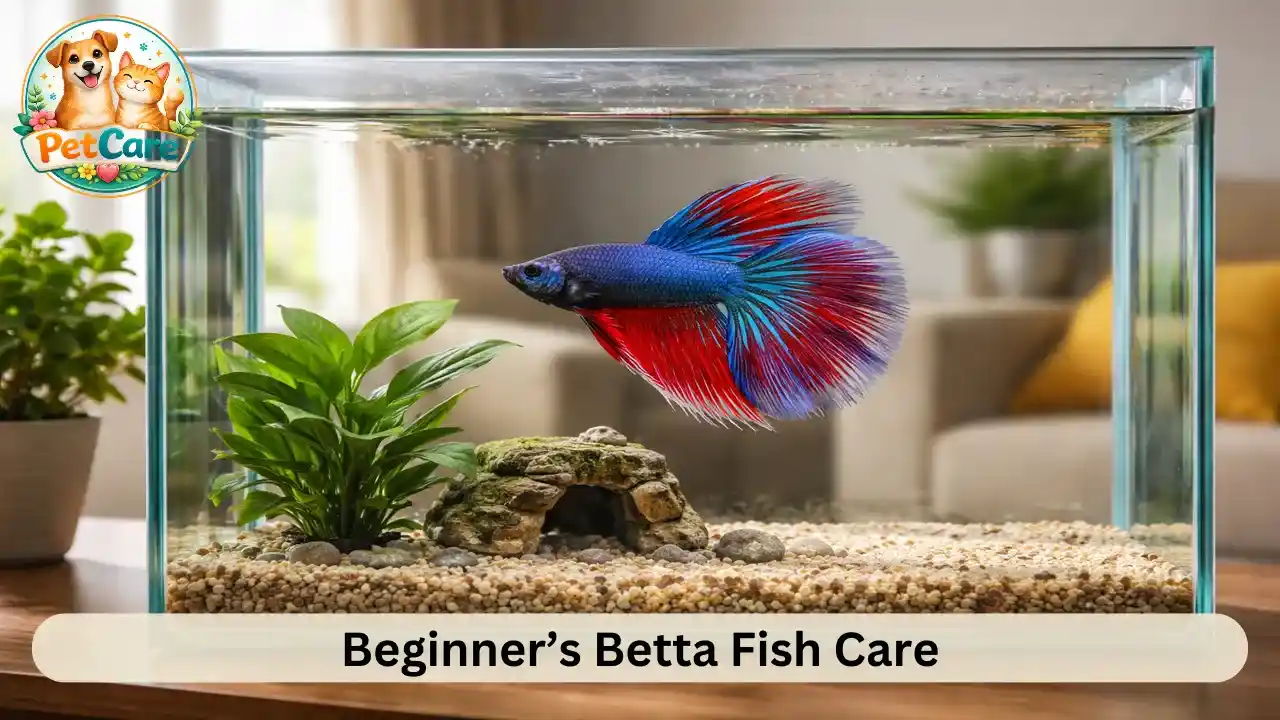
If you’ve recently brought home a Betta fish, first of all — welcome to the world of fishkeeping! Betta fish are beautiful, expressive, and surprisingly interactive for such small pets. Many beginners in India choose them because they are easily available and don’t need very large tanks.
This Betta fish care guide for beginners is written in a simple, practical way — just like one pet owner sharing real-life advice with another. No complicated jargon. No unrealistic promises. Just clear guidance to help you create a happy and comfortable home for your Betta.
Let’s start from the basics.
Understanding Betta Fish Behavior
Betta fish, also known as Siamese fighting fish, are known for their bright colors and flowing fins. But beyond their looks, they have unique personalities.
In most homes, Betta fish:
Recognize feeding time
React when someone comes near the tank
Explore their surroundings actively
Prefer calm environments
They are territorial by nature, especially male Bettas. That’s why they are usually kept alone in a tank.
If your Betta flares its fins when it sees its reflection, don’t panic. This is normal behavior and part of their natural instinct.
Choosing the Right Tank Setup
Tank Size for Betta Fish
One of the most common beginner mistakes is keeping Bettas in tiny bowls. While they may survive in small containers, they don’t truly thrive there.
For proper Betta fish tank setup, aim for:
Minimum 8–10 liters of water
A proper glass tank instead of a bowl
A secure lid (Bettas can jump)
A slightly larger tank helps maintain stable water conditions, which is easier for beginners to manage.
Water Conditions for Betta Fish
Clean water is the foundation of good Betta fish care.
Generally, Bettas prefer:
Room temperature water (around 24–28°C)
Dechlorinated water
Gentle water flow (they don’t like strong currents)
If you use tap water in India, let it sit for 24 hours before adding it to the tank. This helps reduce chlorine naturally.
Avoid sudden temperature changes. In many Indian homes, room temperature works fine without heaters unless the weather becomes very cold.
Betta Fish Tank Setup for Beginners
When setting up the tank, think comfort and simplicity.
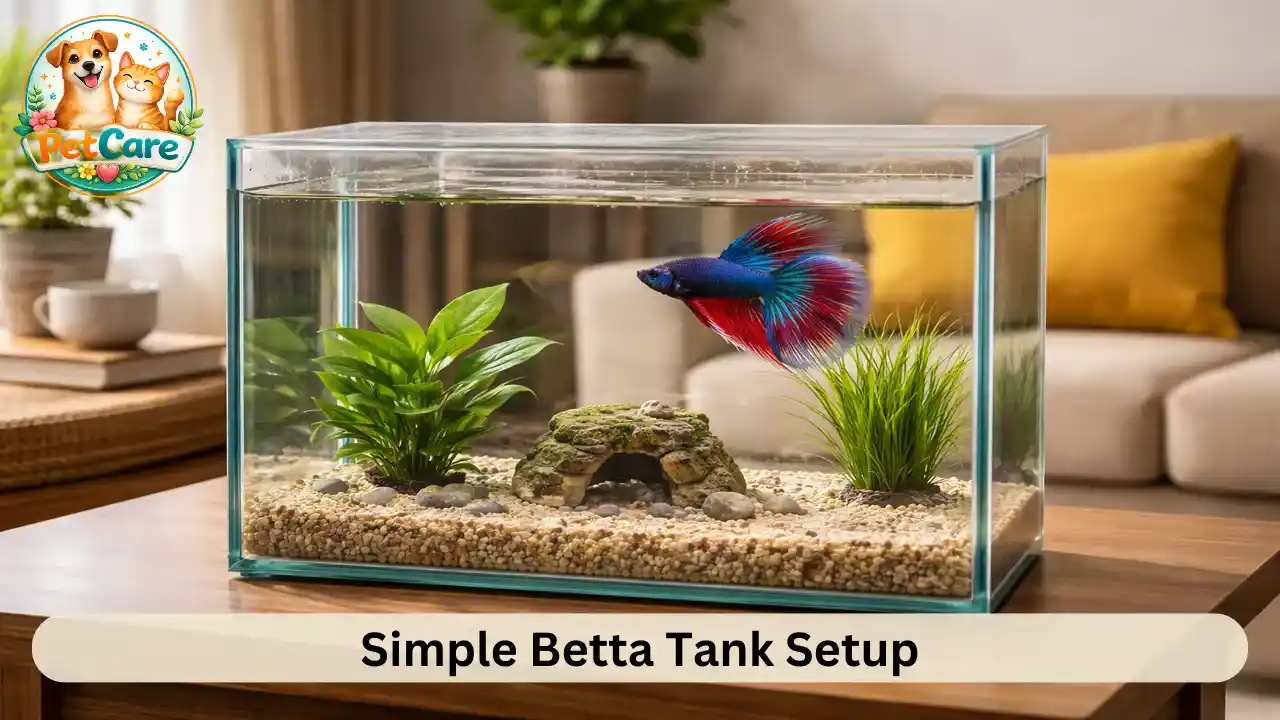
Here’s what works well:
Smooth gravel or sand at the bottom
A few live or silk plants
One small hiding spot
Soft lighting
Avoid sharp decorations. Betta fins are delicate and can tear easily.
Live plants are a good option for natural Betta fish habitat setup, but even simple silk plants are fine for beginners.
Betta Fish Feeding Guide
Feeding is simple, but overfeeding is extremely common.
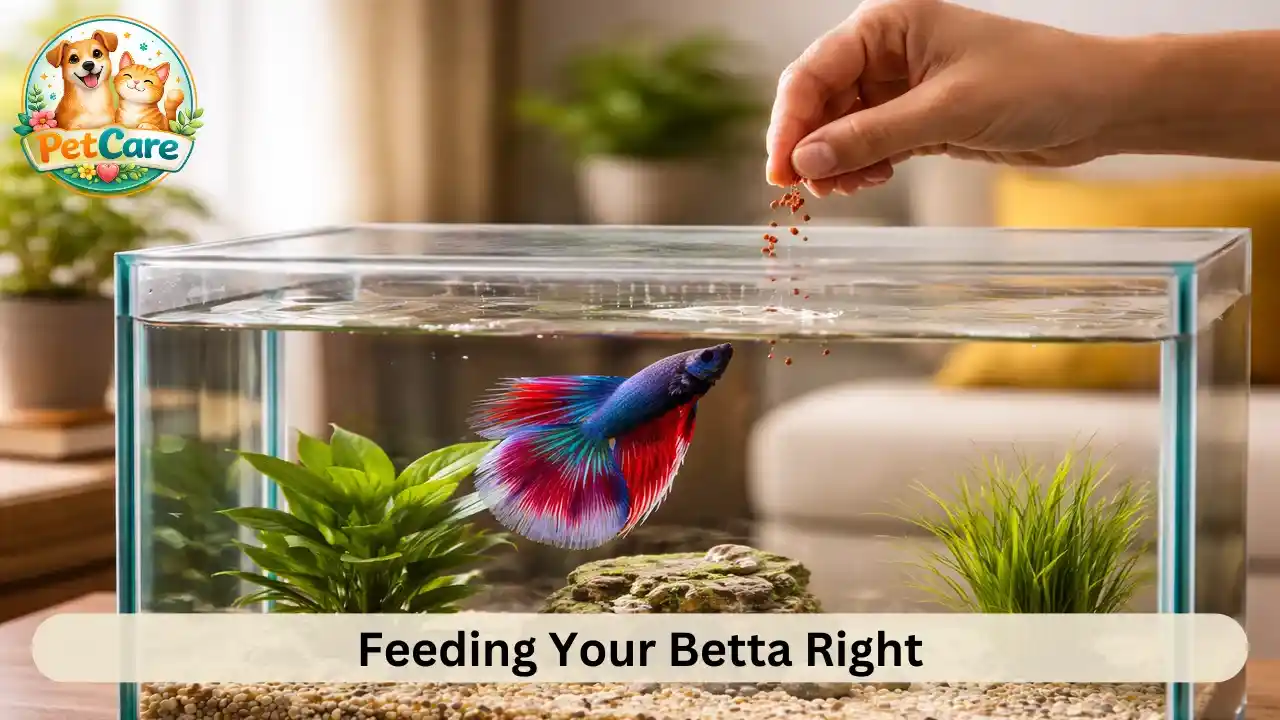
A basic Betta fish feeding guide looks like this:
Feed once or twice daily
Give only as much as they can eat in 1–2 minutes
Remove leftover food
Betta pellets made specifically for Bettas are commonly used. Some owners also offer occasional treats like freeze-dried food.
In most cases, less is better than more. Overfeeding can make the water dirty quickly.
How Often to Clean a Betta Fish Tank
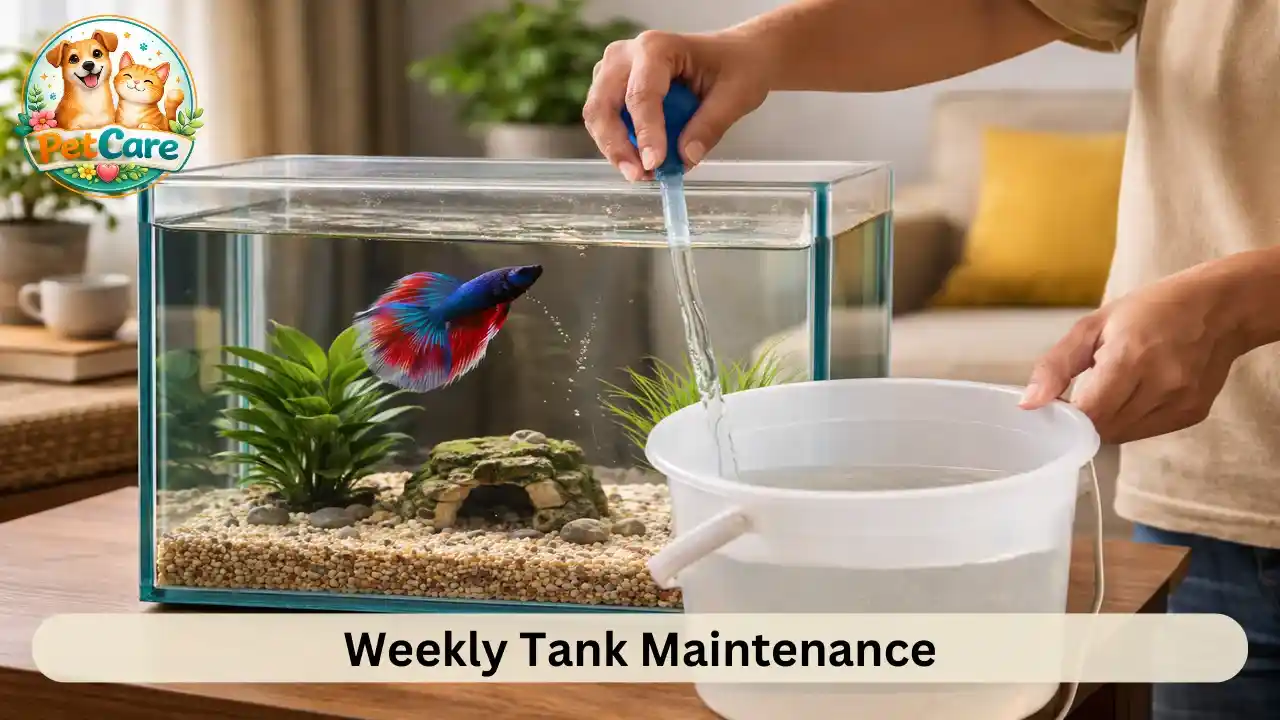
Tank cleaning is part of responsible Betta fish maintenance.
For small beginner tanks:
Change 25–30% of water once a week
Clean gravel gently during water change
Avoid full water changes unless necessary
Never use soap or detergent inside the tank.
Partial water changes are usually enough to keep the tank fresh and safe.
Can Betta Fish Live Alone?
Yes, and they usually should.
Male Bettas should not be kept together. Even placing two males in separate tanks close to each other may cause stress due to constant flaring.
Female Bettas can sometimes be kept in groups, but this is not recommended for beginners.
For a first-time owner, keeping one Betta fish alone is the simplest and safest choice.
Creating a Stress-Free Environment
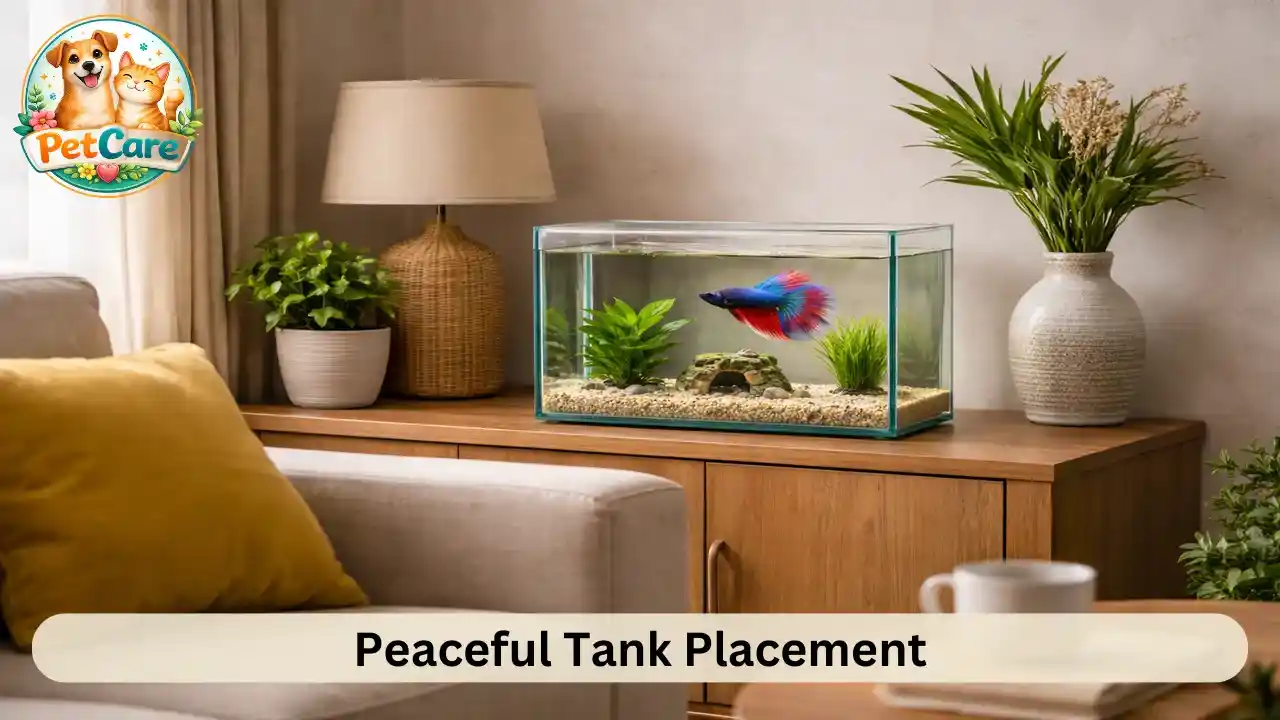
Betta fish may look small, but they are sensitive to their surroundings.
To keep them comfortable:
Avoid tapping on the glass
Keep the tank away from loud speakers
Don’t place the tank in direct sunlight
Maintain a consistent feeding schedule
In many Indian homes, placing the tank in a quiet corner of the living room works well.
Consistency is key in Betta fish care for beginners.
Common Beginner Mistakes to Avoid
Here are some mistakes I’ve seen many new owners make:
1. Keeping Bettas in Tiny Bowls
Small bowls make water quality unstable.
2. Overfeeding
Extra food settles at the bottom and spoils water.
3. Skipping Water Changes
Even if the water looks clean, regular maintenance is necessary.
4. Strong Filters
Powerful filters create too much water movement.
5. Too Many Decorations
Overcrowding the tank reduces swimming space.
Keeping things simple usually works best.
How Long Do Betta Fish Live?
With proper care, Bettas commonly live around 2–4 years in most homes.
Their lifespan depends on:
Water quality
Feeding habits
Tank size
Overall care consistency
There are no shortcuts here. Regular, basic care makes the biggest difference.
Daily and Weekly Care Routine
To make Betta fish care easier, follow a simple routine.
Daily:
Feed properly
Observe behavior
Check water clarity
Weekly:
Partial water change
Light cleaning of tank
Inspect decorations and plants
Spending just 10–15 minutes regularly keeps things under control.
Understanding Betta Fish Body Language
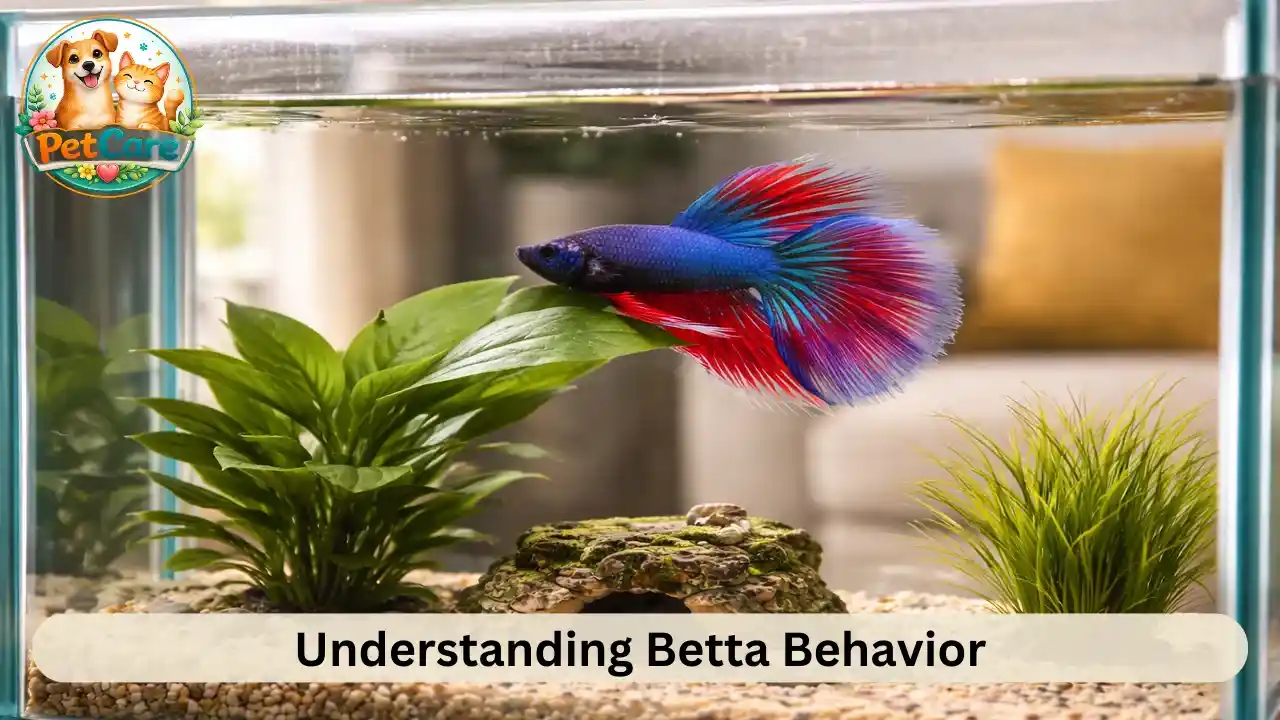
One of the most enjoyable parts of keeping Bettas is watching their behavior.
Healthy Bettas generally:
Swim actively
Explore plants and corners
Respond to movement outside the tank
If your Betta is resting occasionally, that’s normal. They often sit on leaves or near the bottom.
Observation is one of the best tools in beginner fishkeeping.
Is Betta Fish Care Easy for Beginners?
Yes — if you follow basic guidelines.
Betta fish are not “no-maintenance” pets, but they are manageable for beginners who are willing to learn.
Compared to many other aquarium fish, they require:
Smaller tanks
Simple feeding routines
Minimal equipment
That’s why they are commonly recommended as beginner aquarium fish.
FAQs About Betta fish care guide for beginners
A gentle filter is helpful in slightly larger tanks, but strong water flow should be avoided.
Once or twice daily in small portions is generally enough.
In many Indian cities, room temperature works fine most of the year. During colder months, you may need to monitor water temperature.
At least 8–10 liters is commonly recommended for stable water conditions.
A Few Honest Words Before You Go
Starting your journey with a Betta can be very rewarding. Their colors, movements, and personalities make them fascinating companions. This Betta fish care guide for beginners focuses on simple habits — clean water, proper feeding, and a peaceful environment. From my own experience of keeping Bettas at home, I’ve learned that it’s the small daily habits that make the biggest difference — checking the water, feeding carefully, and just quietly observing them for a few minutes every day. In most homes, when owners stay consistent and avoid common mistakes, Bettas adjust well and become a lovely part of the household. Over time, you start noticing their little routines — where they like to rest, how they react when you approach the tank — and that’s when fishkeeping starts feeling personal rather than just practical. Fishkeeping is not about perfection. It’s about steady care and learning along the way. If you stay patient and attentive, you’ll find that keeping a Betta is less about rules and more about understanding your own fish’s unique personality.