Why Grooming Tools Matter in Everyday Pet Care
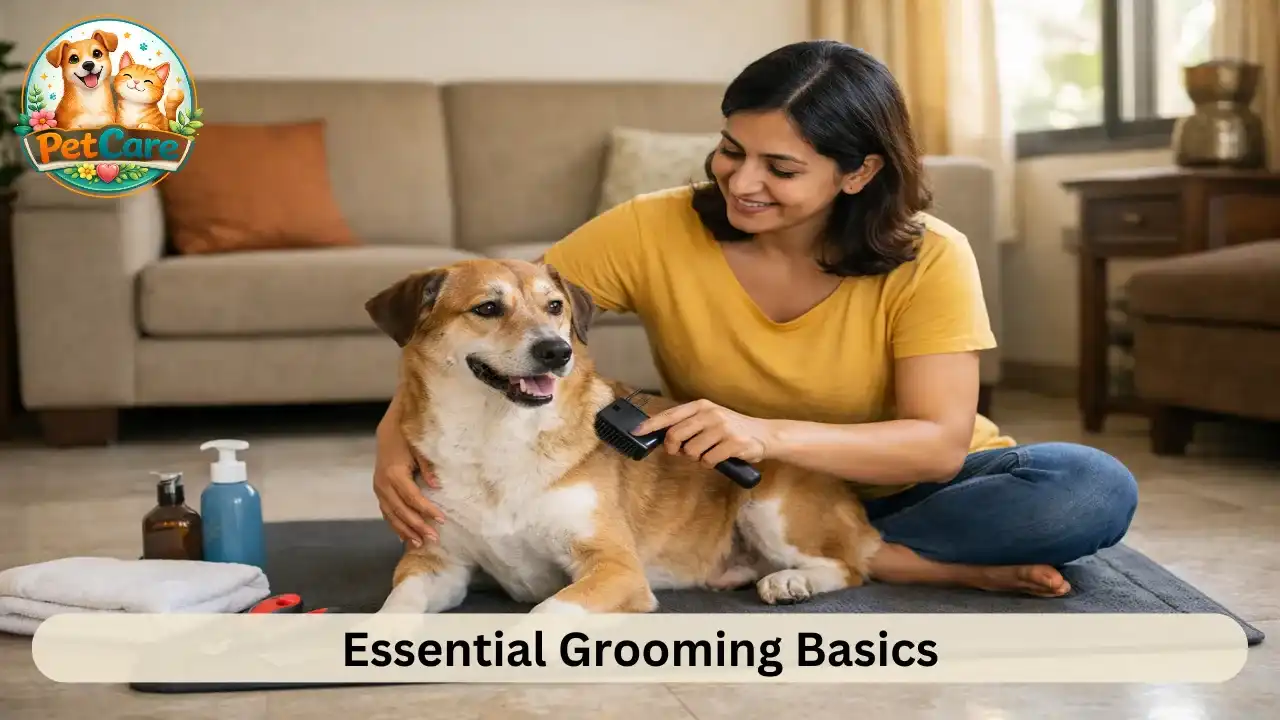
Many new pet owners assume grooming is only necessary for long-haired breeds. That’s not true. Even short-coated pets shed, collect dust, and need regular upkeep.
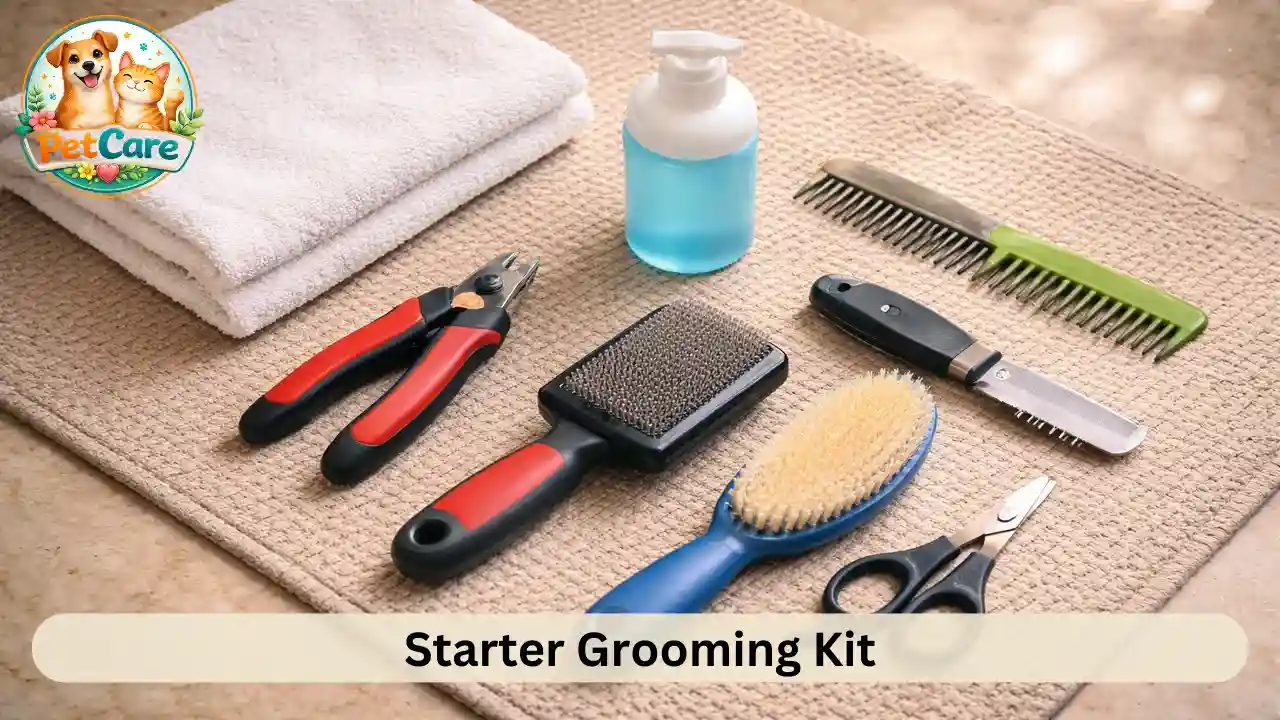
Having a proper pet grooming kit for beginners at home helps you:
Maintain a clean coat and skin
Reduce fur shedding around the house
Keep nails at a safe length
Prevent unpleasant smells
Get your pet comfortable with handling
You don’t need expensive or complicated items. Just a few well-chosen, safe tools are enough in most homes.
1. A Good-Quality Brush or Comb
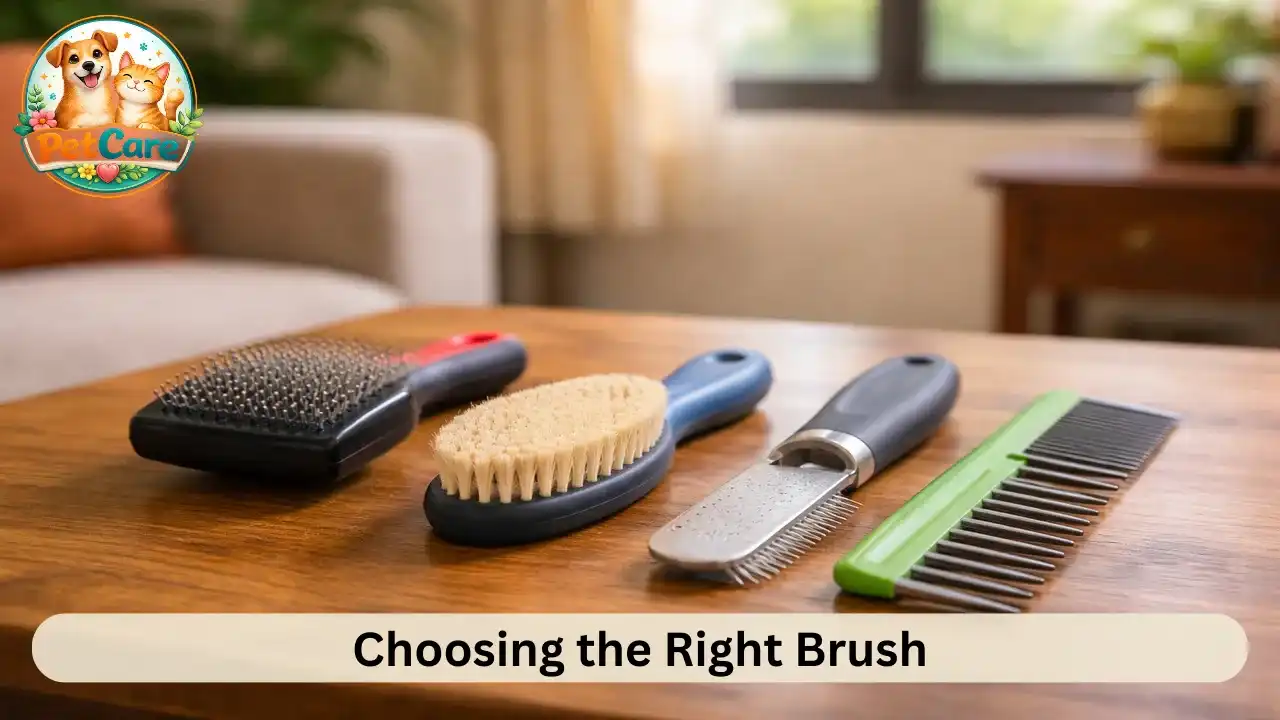
One of the most important basic grooming tools every pet owner should have is a suitable brush.
Choosing the Right Brush for Your Pet
Different coats need different brushes:
Slicker brush – helpful for medium to long-haired dogs
De-shedding tool – useful during heavy shedding seasons
Soft bristle brush – ideal for short-haired pets
Wide-tooth comb – good for detangling
Regular brushing (2–3 times a week for most pets) keeps fur manageable and reduces loose hair in the house. It also gives you a chance to check for dirt or tangles.
Beginner mistake: Brushing too hard or too quickly. Always be gentle and go in the direction of hair growth.
2. Nail Clippers Designed for Pets
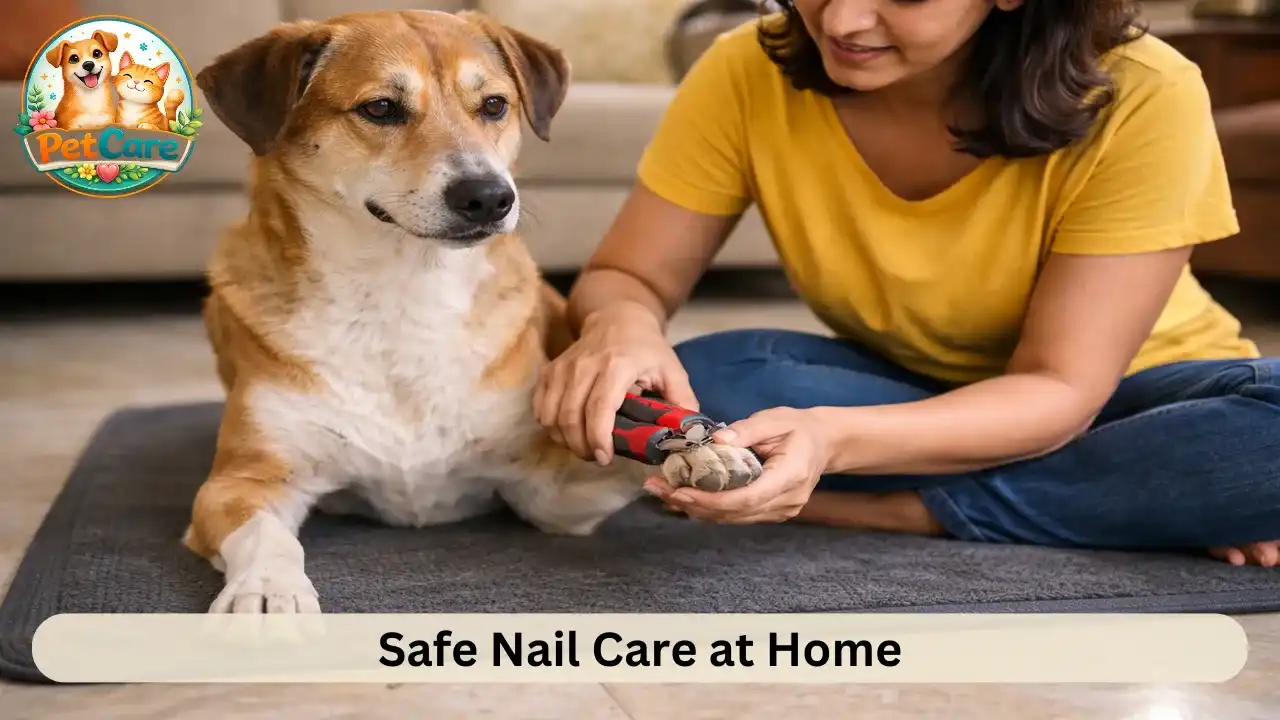
Overgrown nails can make walking uncomfortable for pets. That’s why nail clippers are one of the most important home grooming tools for dogs and cats.
Types of Nail Clippers
Scissor-style clippers
Guillotine-style clippers
Nail grinders (for smoother edges)
If you’re new, start slow. Trim just a small portion at a time. Many pet owners in India prefer trimming once every 3–4 weeks, but it varies depending on activity levels.
Tip: Keep grooming sessions calm. If your pet feels stressed, pause and try later.
3. Pet-Safe Shampoo (Mild and Gentle)
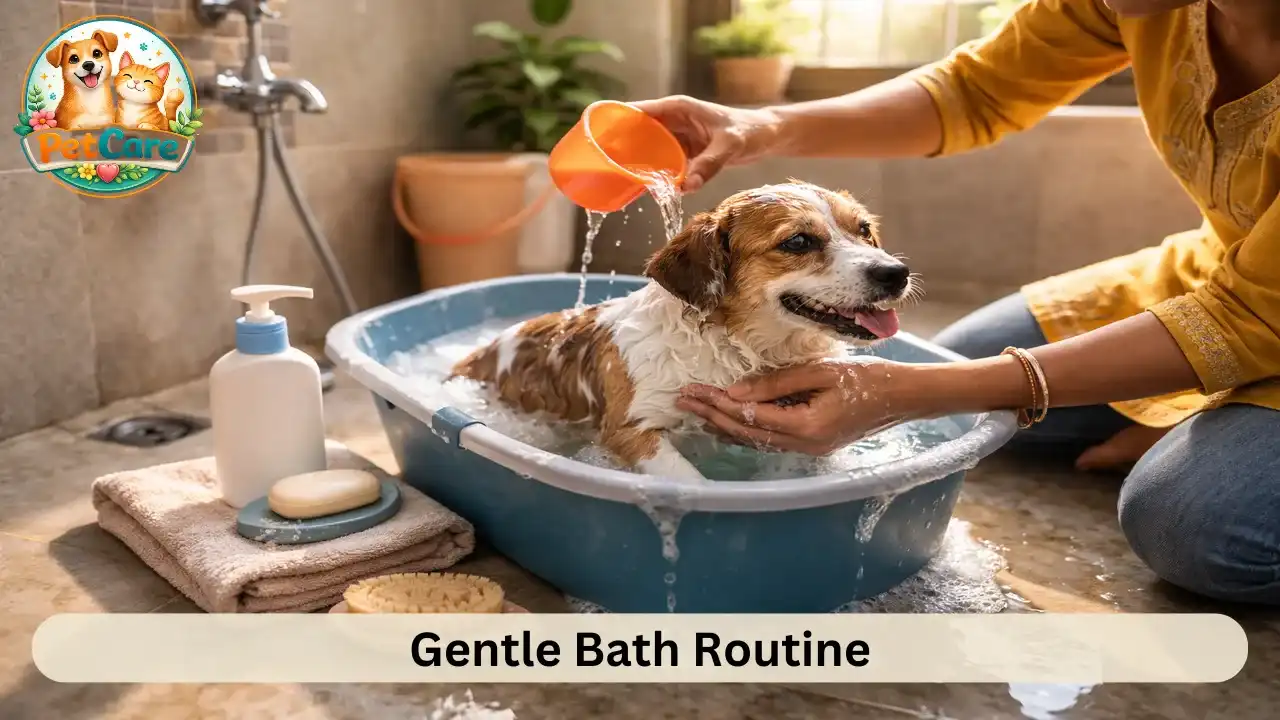
While we’re not talking about medical treatments, basic bathing is part of general grooming essentials for pets.
Always use a pet-safe shampoo instead of human shampoo. Pets have different skin sensitivities, and mild products designed for animals are generally safer.
Bathing Frequency
In most homes:
Dogs: Every 3–6 weeks (depending on activity)
Indoor cats: Rarely need full baths unless very dirty
Over-bathing can dry out the coat, so avoid doing it too often.
4. Microfiber Towels
After a bath, regular towels work, but microfiber towels dry pets faster and absorb more water. In Indian weather, especially during monsoon or winter, proper drying is important to keep pets comfortable.
Keep one separate towel only for your pet. It maintains hygiene and helps create a routine.
5. Ear Cleaning Supplies (Basic and Gentle)
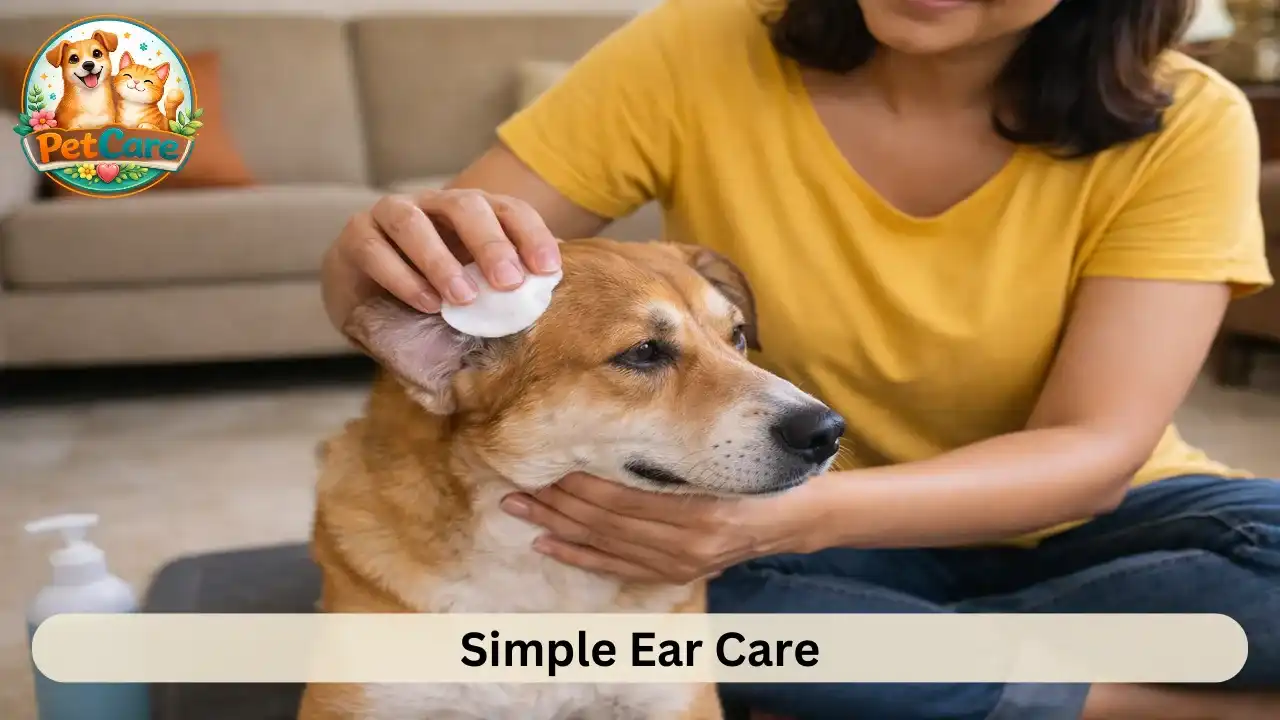
Ear hygiene is part of regular grooming, especially for floppy-eared dogs.
What you’ll need:
Soft cotton pads
A mild pet ear cleaning solution (non-medical, general cleaning type)
Simply wipe visible dirt gently. Never insert anything deep inside the ear.
Common beginner mistake: Using cotton buds deep in the ear canal. Avoid that completely.
6. Toothbrush and Pet Toothpaste
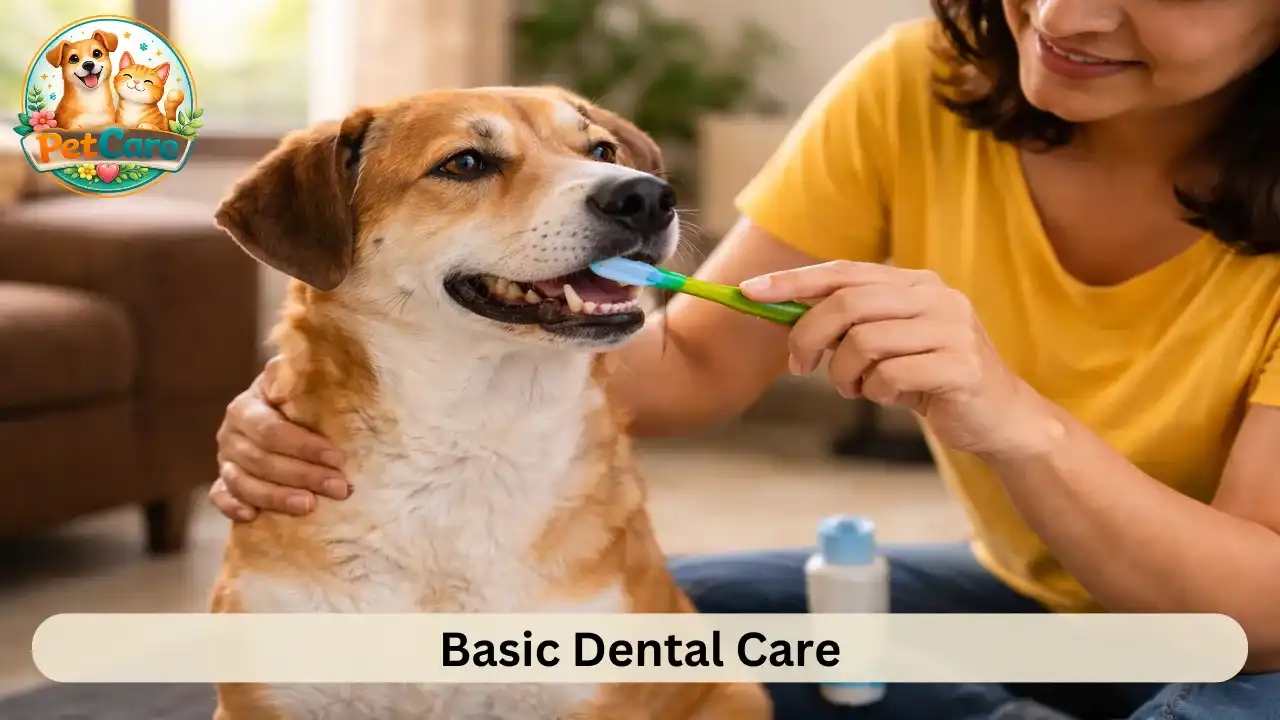
Dental care is often ignored, but it’s an essential part of basic grooming tools every pet owner should have.
Use:
A finger toothbrush or small pet toothbrush
Pet-friendly toothpaste (never human toothpaste)
Brushing once or twice a week is a good start for many pets. Even getting them comfortable with touching around the mouth helps in the long run.
7. Grooming Scissors (Rounded Tip)
For pets with longer fur around paws, eyes, or tail, small rounded-tip scissors can help tidy things up.
Only trim surface fur that’s clearly visible and easy to reach. If you’re unsure, it’s better to skip trimming rather than risk cutting too much.
8. Flea Comb (For Cleaning, Not Treatment)
A fine-tooth flea comb is commonly kept in a grooming kit. Even if your pet doesn’t go outside often, it helps remove small debris or loose hair.
Remember, this is for basic cleaning and checking only — not for any treatment or claims.
9. Grooming Mat or Non-Slip Surface
This is often overlooked. Grooming becomes easier when your pet stands comfortably on a non-slip mat.
It helps in:
Reducing movement during brushing
Making nail trimming more stable
Preventing slipping on tiled floors
In many Indian homes with marble or tile floors, this simple item makes a big difference.