Rabbit Not Eating What To Do
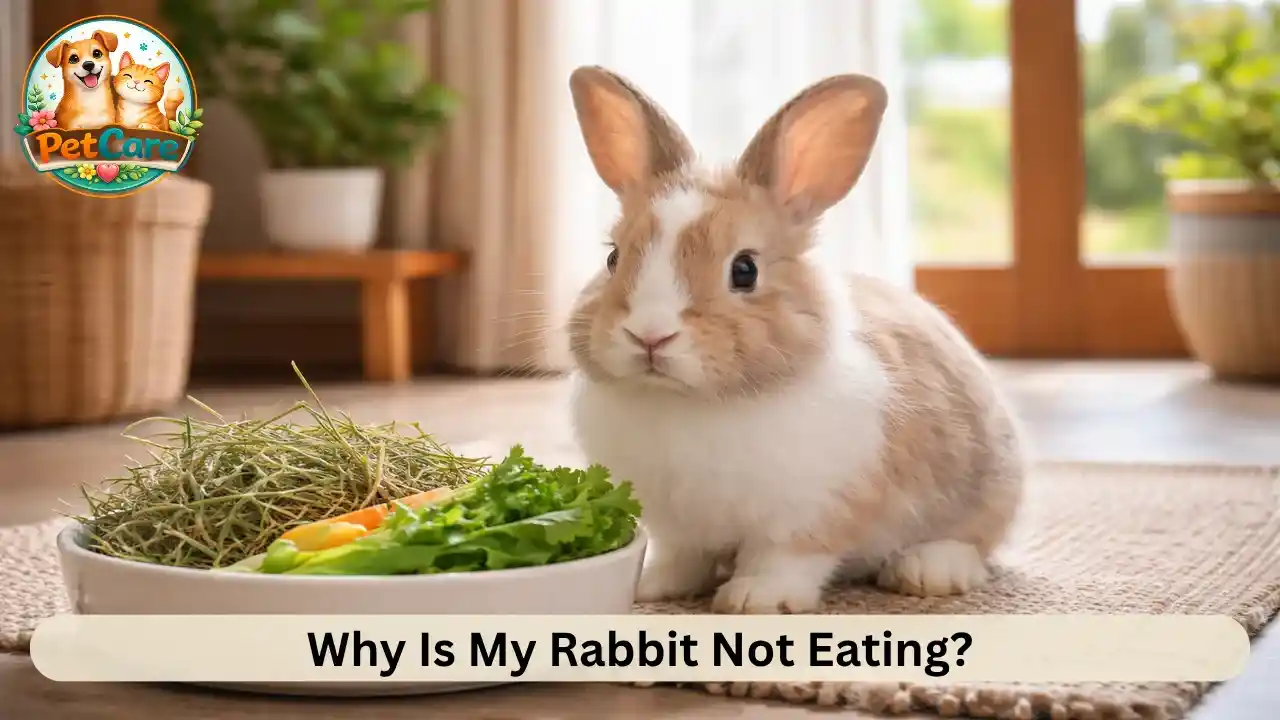
If you’ve ever walked up to your rabbit’s enclosure and noticed untouched food, you know the feeling. It can be worrying. Rabbits usually love their routine, especially when it comes to eating. So when you start wondering, rabbit not eating what to do, it’s completely normal.
In most homes, rabbits are gentle, quiet eaters. They nibble throughout the day, especially on hay. A sudden loss of interest in food often means something in their environment or routine has changed. The good news is that many times, small adjustments at home can make a big difference.
Let’s talk calmly and practically about what you can check and how you can support your bunny in a safe way.
Rabbit Not Eating What To Do: First Stay Calm
Before you panic, observe.
Rabbits can sometimes skip one meal if they are stressed, overheated, or slightly uncomfortable in their surroundings. Generally, small changes like loud noise, new people in the house, or even shifting their cage location can affect their appetite.
Start by checking:
- Is your rabbit active or dull?
- Is fresh water available?
- Is the hay clean and dry?
- Has anything changed in their routine?
Observation is your first step when thinking about rabbit not eating what to do.
Common Reasons Why Your Rabbit Is Not Eating
Rabbits are sensitive animals. In many Indian homes, sudden loud sounds like construction, crackers, or even a mixer grinder can disturb them.
Common stress triggers:
- New pets in the house
- Shifting furniture
- Too much handling
- Cage placed in direct sunlight
A stressed rabbit may sit quietly and ignore food.
2. Dirty or Old Food
Rabbits have a strong sense of smell. If hay feels damp or vegetables are not fresh, they may refuse to eat.
Make sure:
- Hay is dry and stored properly
- Leafy greens are washed and fresh
- Pellets are not stale
Sometimes the issue is as simple as poor-quality feed.
3. Not Enough Hay
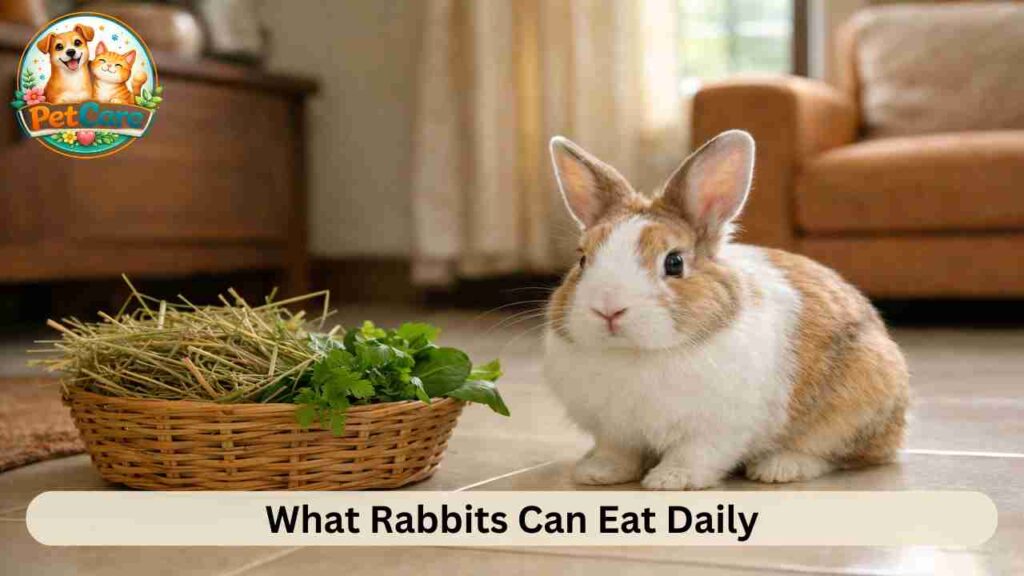
One common beginner mistake is giving too many treats and less hay.
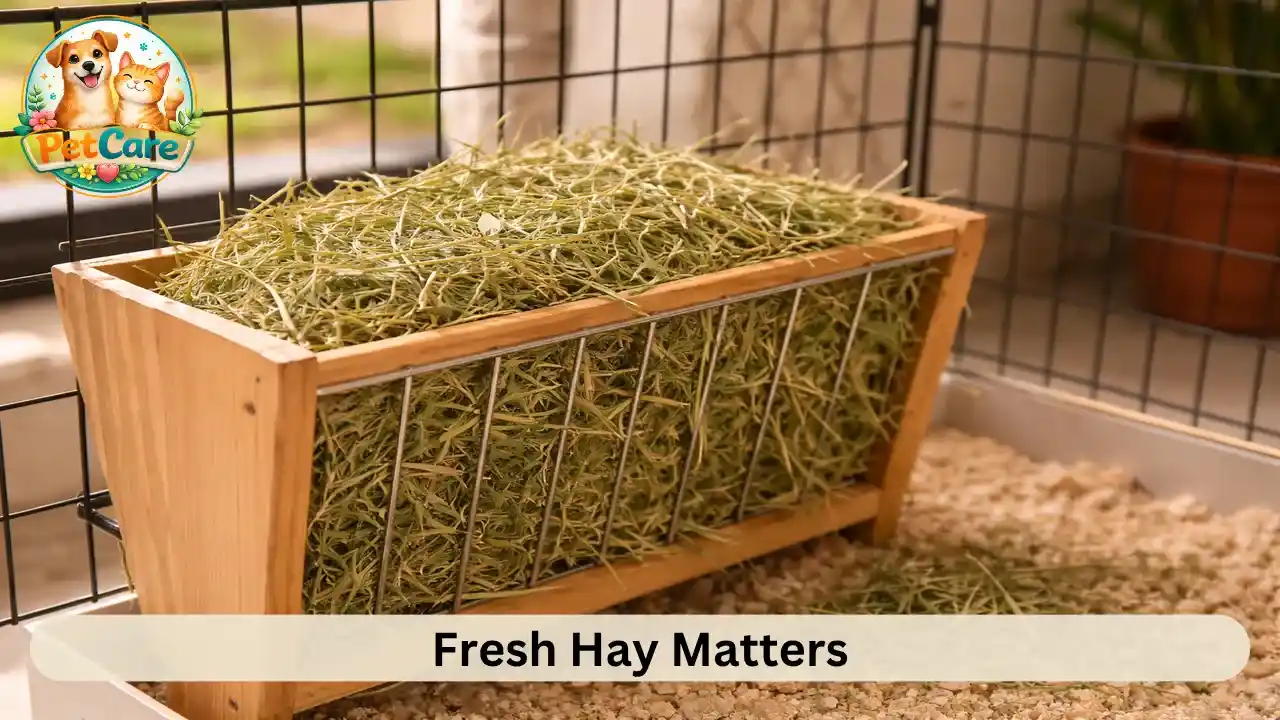
Hay should be the main part of a rabbit’s diet. If your rabbit is not eating pellets but still chewing hay, that’s usually less concerning. But if your rabbit stopped eating hay completely, that needs attention.
Hay keeps their chewing habit healthy and supports normal digestion.
4. Heat and Weather Changes
In India, summer heat can affect appetite.
If your rabbit is not eating in summer:
- Keep the enclosure cool and shaded
- Ensure proper air circulation
- Avoid placing the cage near windows with harsh sunlight
Many rabbits eat less during extreme heat but improve once the environment becomes comfortable.
Rabbit Not Eating Hay But Eating Treats – What It Means
This is very common.
Sometimes owners give fruits or packaged treats regularly. Rabbits may start preferring sweet items and ignore plain hay.
If your rabbit is not eating hay but eating treats:
- Slowly reduce treats
- Offer fresh hay multiple times daily
- Remove leftover vegetables after a few hours
In most homes, once treats are limited, rabbits return to normal hay eating within a short time.
Rabbit Not Eating and Sitting Still
If your rabbit is not eating and sitting still in a corner, pay close attention.
Check for:
- Clean bedding
- Comfortable temperature
- Any signs of chewing objects improperly
- Changes in droppings
Rabbits usually show discomfort by hiding or staying unusually quiet. Gentle monitoring is important.
Avoid forcing food into their mouth. That can create more stress.
How to Encourage a Rabbit to Eat Again
When thinking about how to encourage rabbit to eat, focus on comfort and routine.
Here are some gentle steps you can try:
Offer Fresh Hay More Often
Replace old hay with fresh, fragrant hay. Sometimes simply refreshing it can stimulate interest.
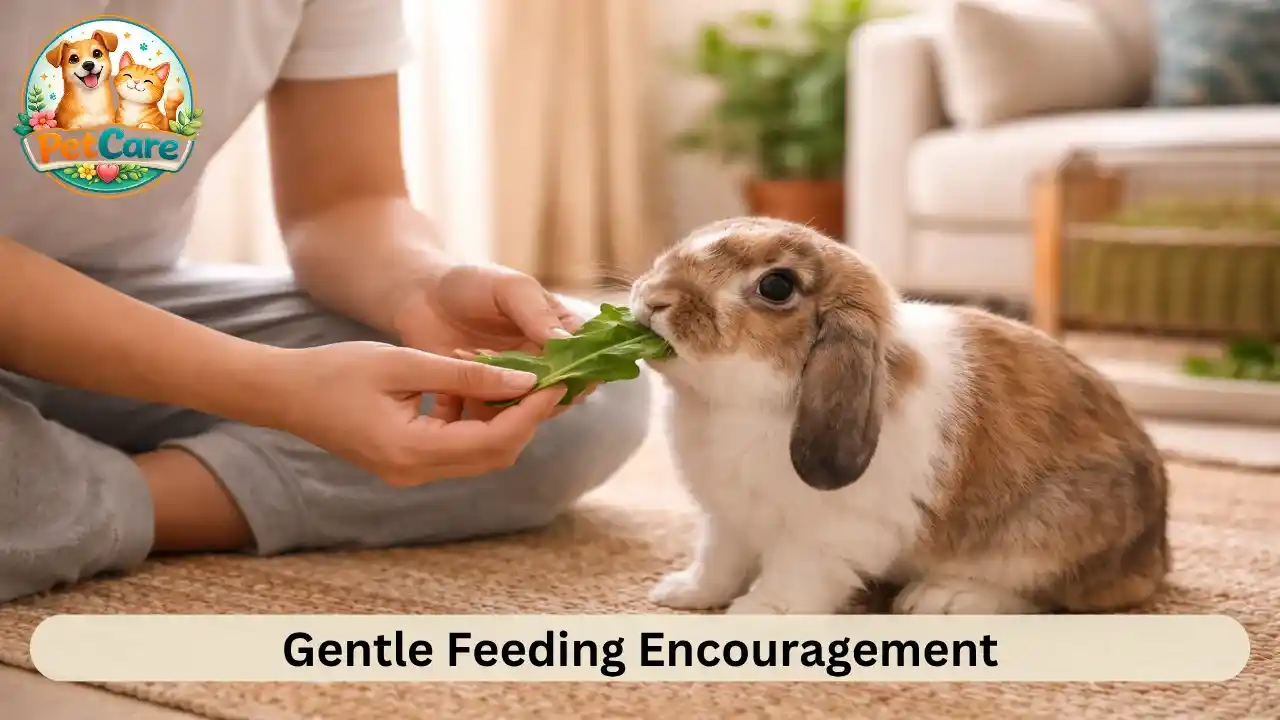
Hand-Feed Gently
Sit quietly and offer a small piece of leafy green from your hand. Many rabbits respond positively to calm interaction.
Keep Feeding Time Consistent
Rabbits love routine. Feed them at the same time daily.
Reduce Sudden Changes
Avoid switching brands of pellets or suddenly changing their enclosure setup.
Provide Quiet Time
If there has been noise or visitors, give your rabbit a peaceful space to relax.
Rabbit Loss of Appetite: Beginner Mistakes to Avoid
When facing rabbit loss of appetite, new owners sometimes make things worse without realising.
Avoid these mistakes:
- ❌ Offering too many fruits
- ❌ Changing diet suddenly
- ❌ Keeping cage in extreme heat
- ❌ Ignoring water bowl cleanliness
- ❌ Handling too much when rabbit seems stressed
Small corrections often solve the issue.
Rabbit Not Eating What To Do at Night
Many rabbits are more active in the evening and early morning.
If your rabbit is not eating during the day but eats at night, it may simply be following its natural pattern.
Check in the morning:
- Has hay reduced?
- Are droppings normal?
If yes, your rabbit may just prefer nighttime feeding.
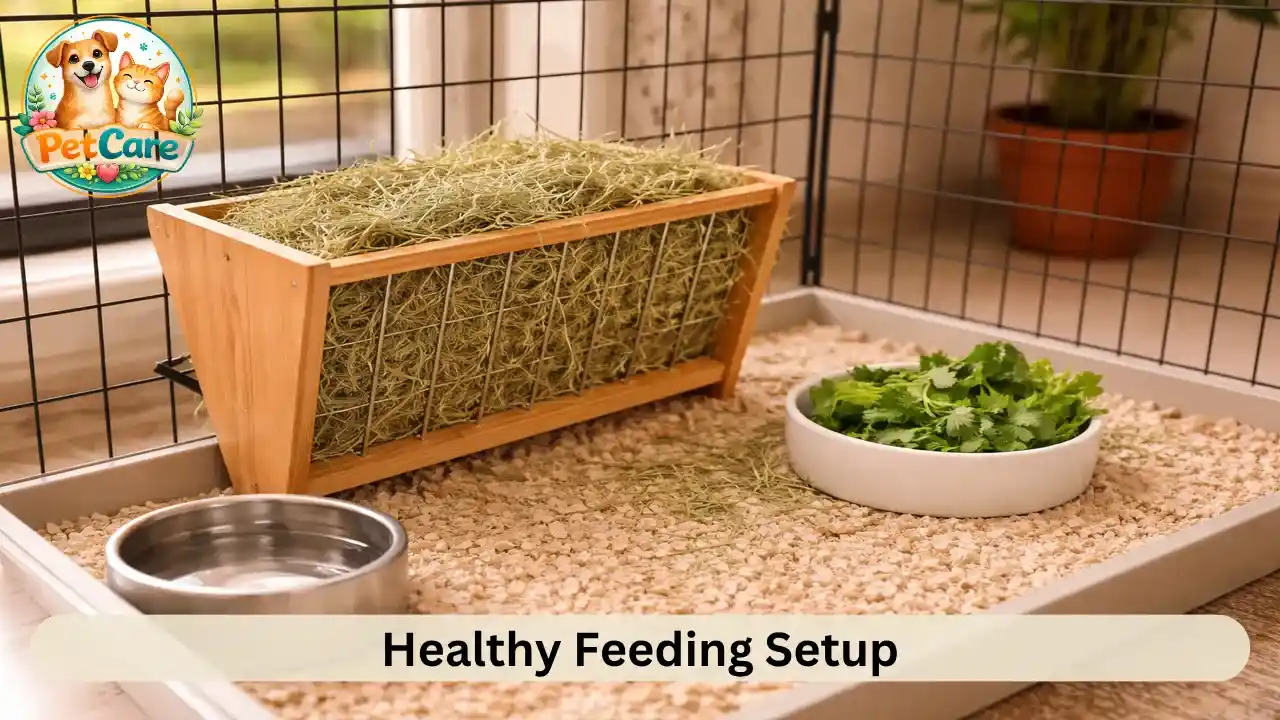
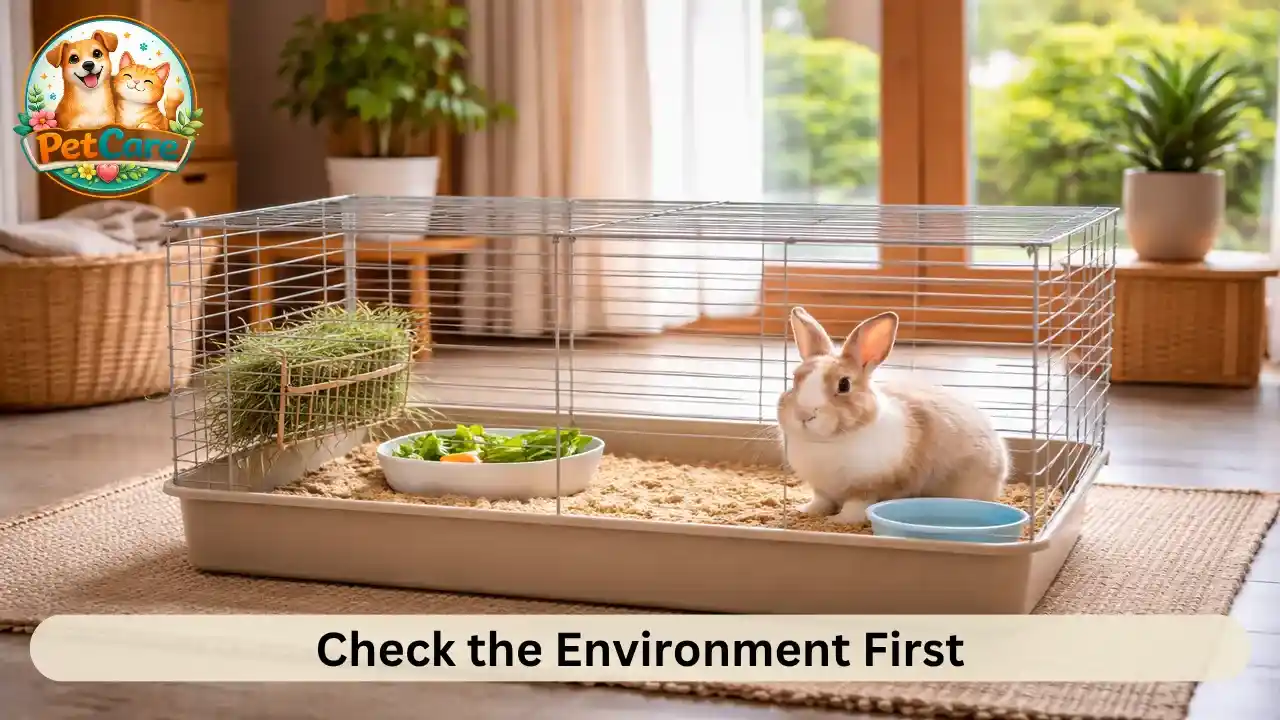
Creating the Right Feeding Environment
Keep the Area Clean
Remove old food daily. Wash bowls regularly.
Provide Unlimited Hay
Hay should always be available.
Fresh Water Always
Some rabbits prefer heavy bowls instead of bottles.
Safe, Quiet Location
Place the enclosure away from kitchen smoke, loud TV, or direct sun.
In most homes, once the setup improves, appetite improves too.
When to Monitor More Closely
If your rabbit has not eaten anything at all for a noticeable period and seems very dull, it’s important not to ignore it.
While this article focuses only on general care, responsible pet ownership means staying alert. If you feel something is seriously wrong, seeking professional guidance is always a wise step.
A Gentle Reminder for New Rabbit Owners
Rabbits are prey animals by nature. They hide discomfort quietly.
That’s why daily observation matters:
- Notice eating habits
- Watch droppings
- Observe energy levels
The question rabbit not eating what to do often has simple answers related to environment, stress, or routine. In many cases, patient observation and small adjustments help restore normal eating.
FAQs
Sometimes rabbits drink normally but skip solid food due to stress or minor routine changes. Check food freshness and environment.
Rabbits usually eat frequently throughout the day. If your rabbit completely avoids food for a noticeable period, monitor closely and seek guidance if needed.
It could be due to stale hay, too many treats, or environmental stress. Offer fresh hay and reduce sweet items.
Yes, in hot weather rabbits may eat less. Keep their space cool and well-ventilated.
A Few Honest Words Before You Go
Seeing your rabbit ignore food can feel stressful. But generally, some changes are linked to routine, temperature, stress, or feeding habits.
There are some tips as followings:
1)Fresh hay
2)Clean water
3)Quiet space
4)Reduced treats
Most rabbits respond well to calm, consistent care. Remember, rabbits thrive on routine and comfort. As a pet owner, your steady attention makes all the difference.You have to give time to your rabbit and always observe his activity.