How to Build Trust with Your Parrot

How to build trust with your parrot

Bringing a parrot into your home is exciting, but building a strong bond with them takes time and patience. Unlike dogs or cats, parrots are naturally cautious birds. They don’t trust easily, especially in a new environment. So if your bird seems shy, quiet, or even a little scared at first,don’t worry, it is completely normal.It is not a big thing.

Learning how to build trust with your parrot is one of the most important steps for any beginner bird owner. In most homes, parrots slowly open up when they feel safe and understood. The key is to move at their pace, not yours.

Now, let us go step by step and understand how you can earn your parrot’s trust in a natural, gentle way.

Why Trust Matters in Parrot Care

Before we talk about techniques, it’s important to understand why trust is so important.

A parrot that trusts you will:

  • Feel comfortable in your presence

  • Show natural behaviors like playing and vocalizing

  • Be easier to handle and train

  • Build a stronger emotional connection with you

On the other hand, a parrot that doesn’t trust its owner may stay quiet, avoid interaction, or show defensive behavior.

Understanding Your Parrot’s Natural Behavior

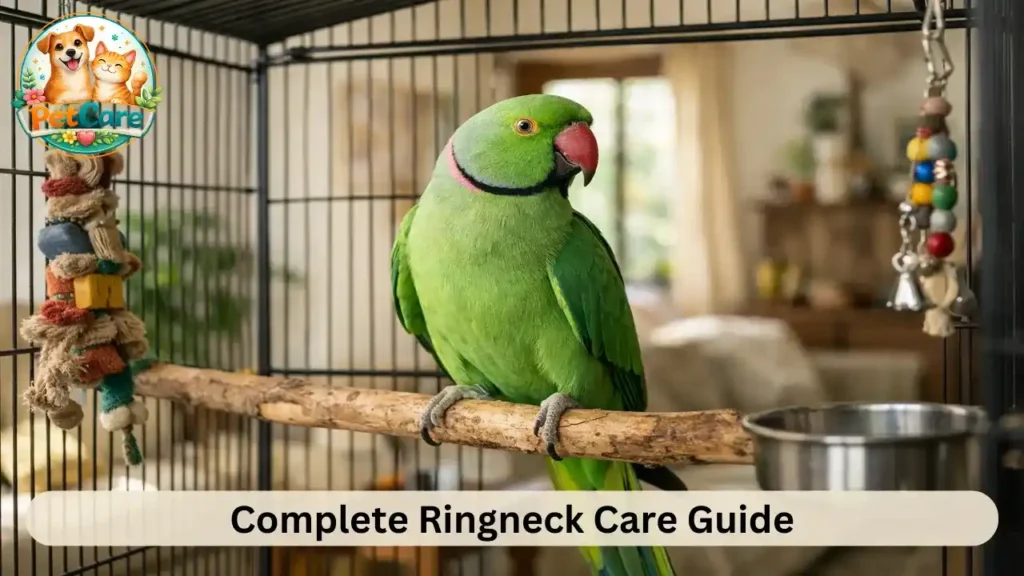
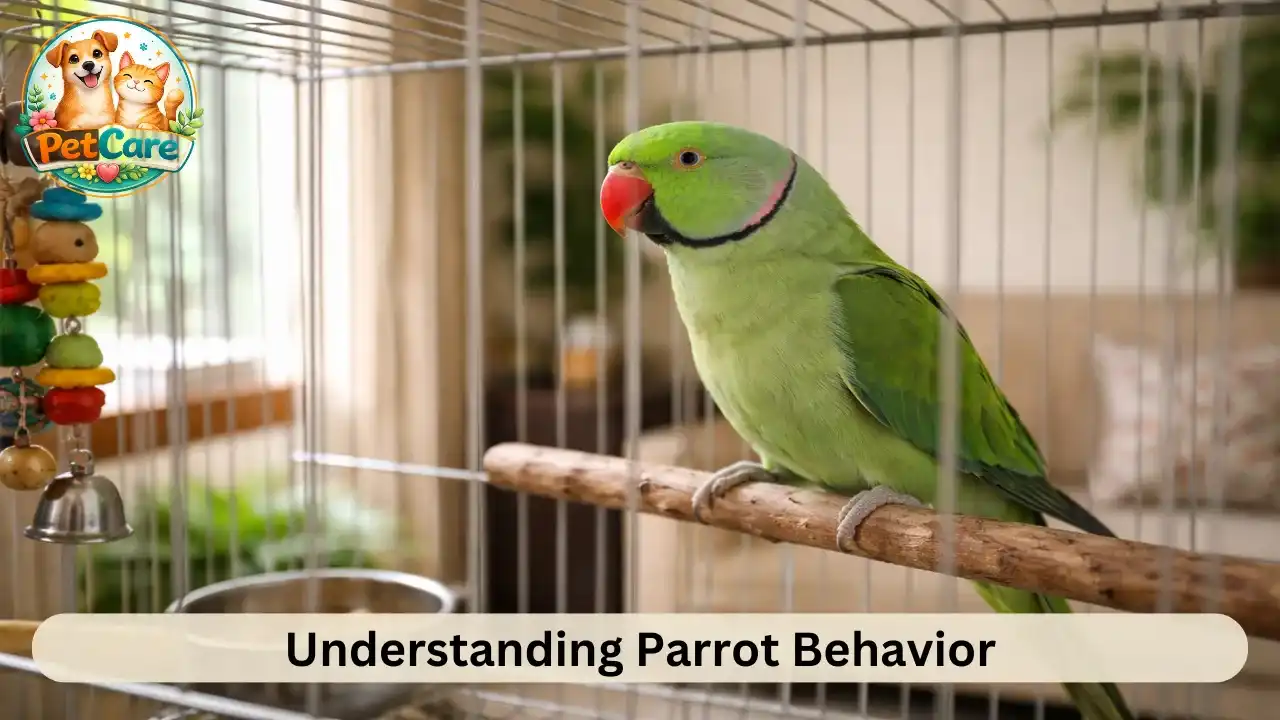
Parrot quietly observing surroundings inside a comfortable home cage

Parrots Are Prey Animals

In the wild, parrots are always alert to danger. This instinct does not disappear just because they’re in a cage at home.

So when you approach your bird suddenly or try to touch them too quickly, they may feel threatened.

Every Parrot Has a Different Personality

Some parrots are naturally friendly, while others take more time to adjust. For many pet owners, patience becomes the most important tool.

How to Build Trust with Your Parrot (Step-by-Step)

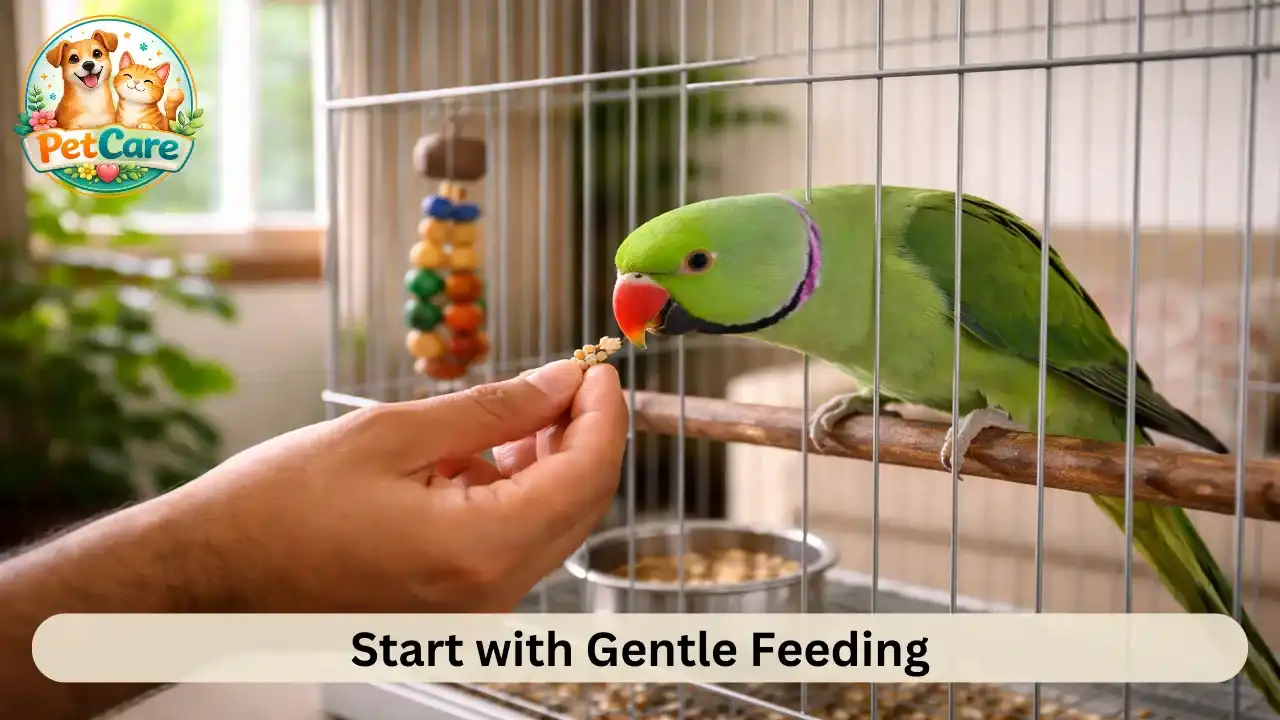
Owner offering food to parrot slowly to build comfort and familiarity

1. Give Your Parrot Time to Adjust

When you first bring your parrot home, avoid trying to handle them immediately.

Let them observe their surroundings for a few days. Sit near the cage, talk softly, and let them get used to your presence.

Tip: In most homes, parrots start relaxing when they see the same person regularly without any pressure.

2. Talk to Your Parrot Daily
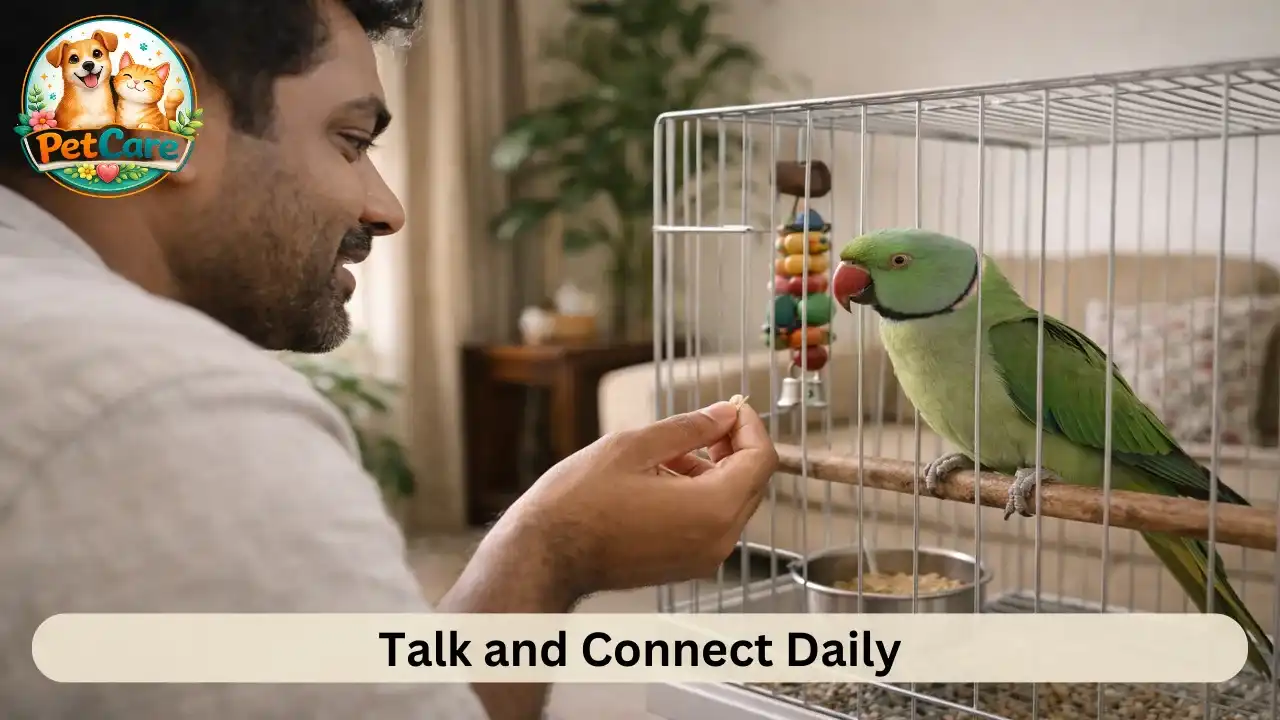
Person calmly talking to their pet parrot near the cage in a home setting

Your voice plays a big role in building trust.

Speak to your parrot in a calm, friendly tone. You don’t need special words,just normal conversation works.Normal conversation is enough and you parrot will understand it.

You can say things like:

  • “Good morning”

  • “How are you?”

  • “Let’s eat”

Over time, your parrot will start recognizing your voice and associating it with safety.

3. Keep Your Movements Slow and Gentle

Sudden movements can scare parrots easily.

Whenever you’re near the cage:

  • Move your hands slowly

  • Avoid loud sounds

  • Don’t tap or shake the cage

This helps your bird feel secure in its environment.

4. Offer Food from Your Hand

One of the best ways to build trust with your parrot is through feeding.

Start by offering their favorite food through the cage bars. Once they are comfortable, try feeding them with your hand inside the cage.

Common beginner-friendly foods include:

  • Seeds

  • Small fruit pieces

  • Fresh vegetables

Important: Let the bird come to you. Never force them to take food.

5. Spend Time Near the Cage

Even if you’re not interacting directly, just sitting near your parrot helps a lot.

You can:

  • Study or read near them

  • Use your phone quietly

  • Work on homework

This builds familiarity. Your parrot learns that your presence is normal and safe.

6. Start Basic Interaction Slowly

Once your parrot seems comfortable, you can begin simple interaction.

Try:

  • Placing your hand inside the cage without touching them

  • Letting them observe your hand

  • Gently encouraging them to step closer

This step is important in parrot bonding techniques and helps build confidence gradually.

7. Use Positive Reinforcement

Reward good behavior with treats or gentle praise.

For example:

  • If your parrot steps closer then give a treat

  • If they stay calm then speak softly and encourage

This is a simple form of parrot training for beginners and works very well over time.
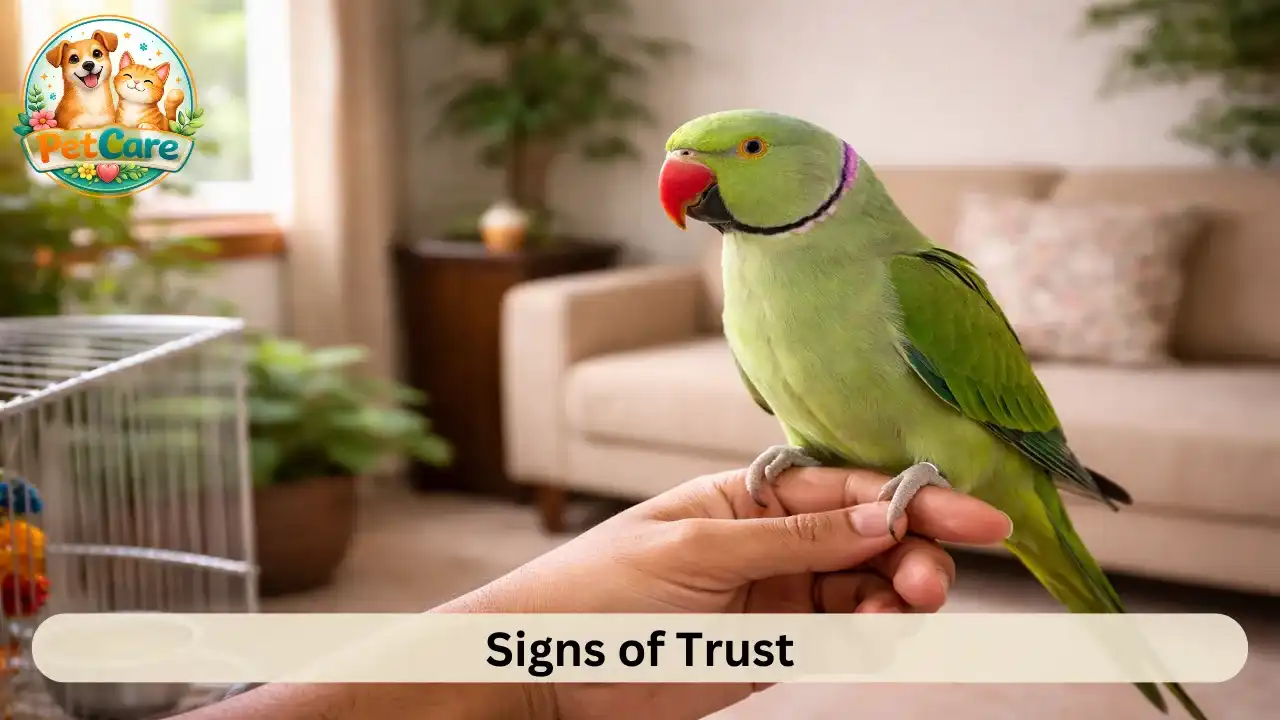
Signs Your Parrot Is Starting to Trust You

Relaxed parrot comfortably sitting outside cage showing friendly behavior

As you follow these steps, you will start noticing small changes.

Common signs include:

  • Relaxed body posture

  • Eating comfortably in your presence

  • Moving closer to you

  • Making soft sounds or chirps

  • Showing curiosity instead of fear

In many cases, these small signs are the first step toward a strong bond.

Common Beginner Mistakes to Avoid

While learning how to build trust with your parrot, it’s easy to make a few mistakes.

1. Rushing the Process

Trust cannot be forced. Trying to speed things up often backfires.

2. Forcing Physical Contact

Never grab or chase your parrot. This breaks trust immediately.

3. Loud Environment

Too much noise or sudden sounds can stress your bird.

4. Ignoring Daily Interaction

Consistency matters. Even 10–15 minutes daily makes a difference.

5. Changing Routine Frequently

Parrots like routine. Sudden changes can confuse them.

Creating a Safe and Comfortable Environment

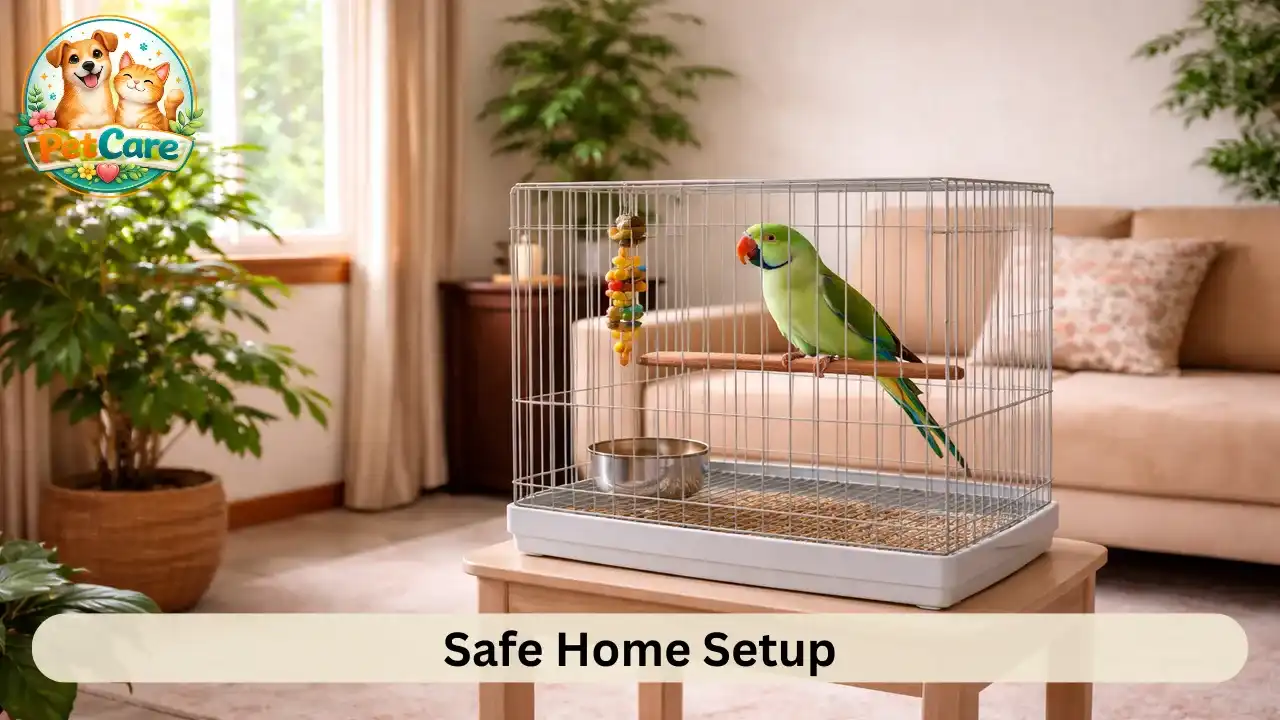
Properly placed parrot cage in a bright and comfortable home setting

Your parrot’s surroundings also affect trust.

Cage Placement Tips

  • Keep the cage in a quiet but active area (like the living room)

  • Avoid placing it in isolated corners

  • Ensure proper light and ventilation

Daily Routine

Try to maintain a consistent schedule for:

  • Feeding

  • Interaction

  • Sleep

This helps your parrot feel secure and reduces anxiety.

How Long Does It Take to Build Trust?

There’s no fixed timeline.

  • Some parrots may trust you in a few days

  • Others may take weeks or even months

For many pet owners, steady effort and patience bring the best results.

Building a Long-Term Bond

Once trust is built, continue nurturing it.

You can:

  • Introduce simple training like “step-up”

  • Spend more out-of-cage time together

  • Talk and interact daily

Over time, your parrot may start recognizing you as a companion, not just an owner.

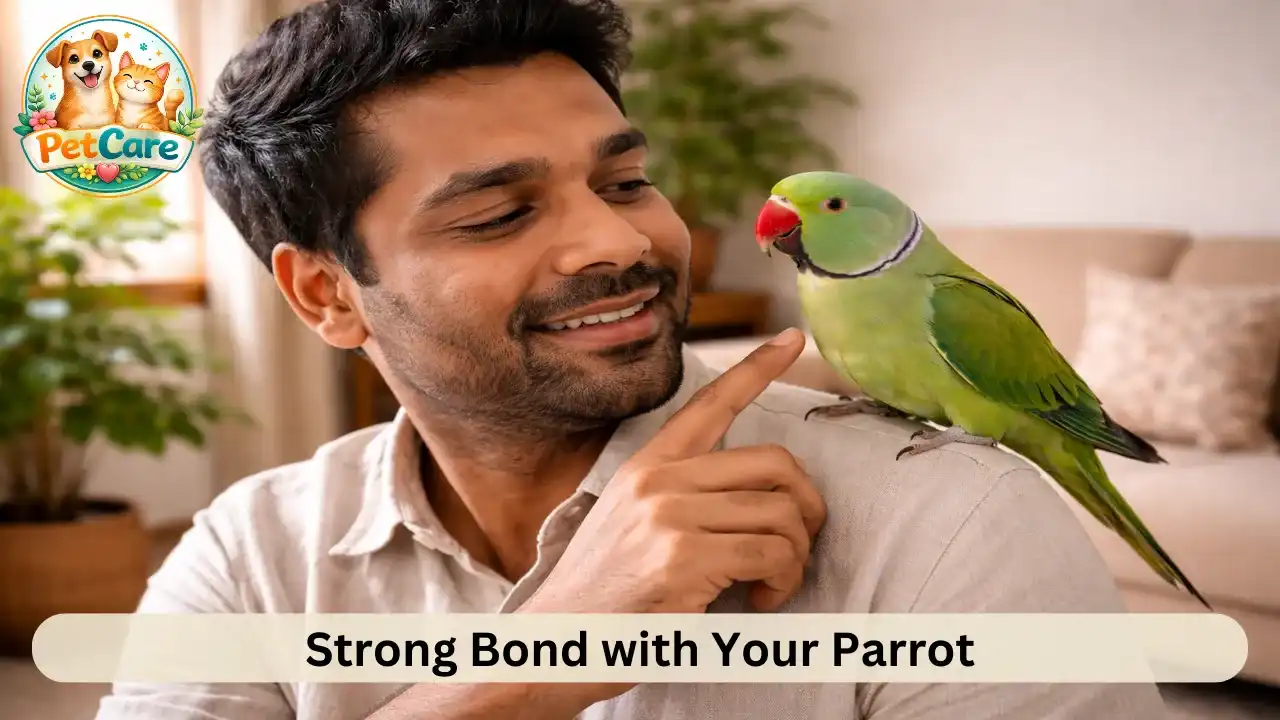
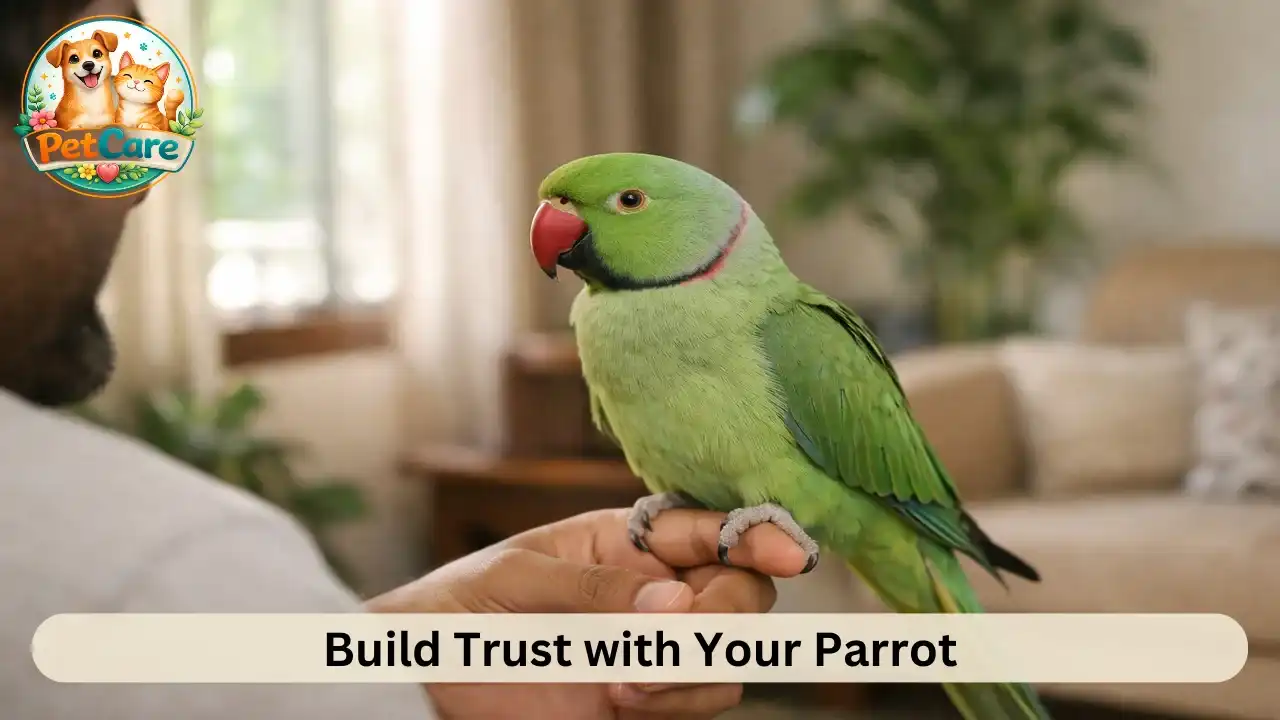
Owner and parrot sharing a calm bonding moment in a comfortable home environment

FAQs On How to Build Trust with Your Parrot

1. How can I tell if my parrot trusts me?

You’ll notice relaxed behavior, willingness to come closer, and comfort while eating in your presence.

2. Can I train my parrot while building trust?

Yes, simple training like hand feeding and step-up can help strengthen trust when done gently.

3. What if my parrot is scared of me?

Give them more time. Avoid forcing interaction and focus on calm presence and routine.

4. Is it okay to handle my parrot every day?

Only if they are comfortable. Always watch their body language and respect their space.

At Last of the Article

Learning how to build trust with your parrot is not about quick results,it is about consistency, patience, and understanding your bird’s comfort level.In most homes, parrots slowly become friendly when they feel safe and respected. Small efforts like talking daily, offering food, and maintaining a calm environment go a long way.Remember, every parrot is different. Go at their pace, and you will definitely build a bond that feels natural and rewarding.Trust me,when your parrot will be comfortable ten it will be fun for you.