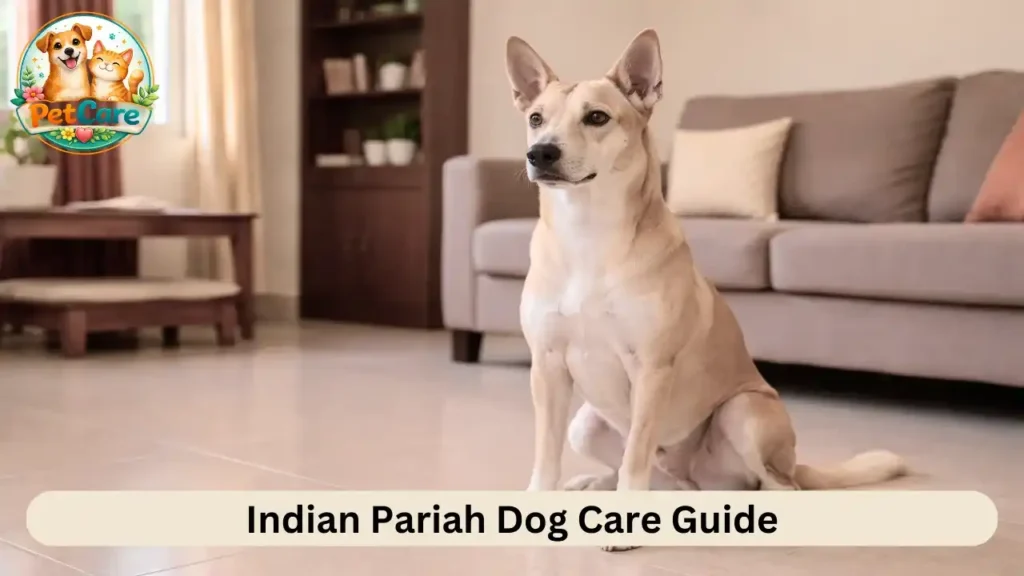
Understanding Dog Body Language
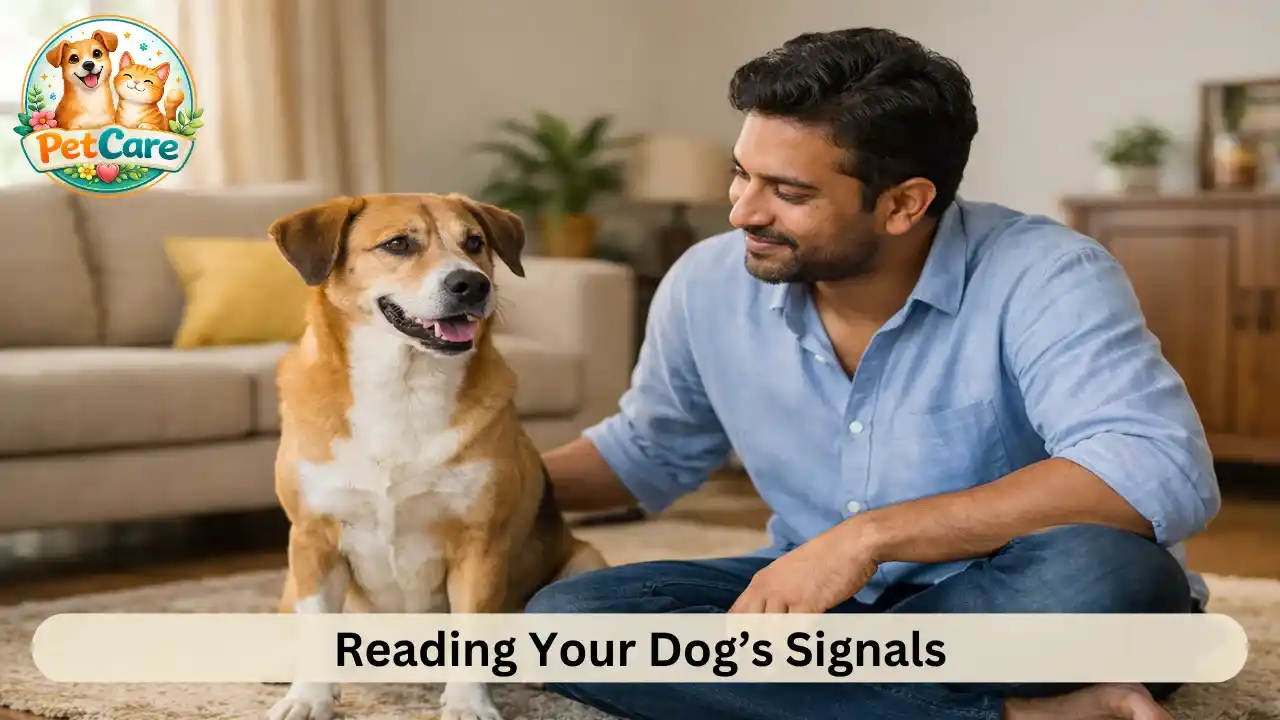
For many pet owners, one of the most interesting parts of living with a dog is learning how they communicate. Dogs may not use words, but they are constantly expressing their feelings through posture, movement, and facial expressions. Once you start paying attention, you realize that dogs are always “talking” to us in their own way.
Understanding dog body language (basic signals explained) can make daily life with your pet much smoother. It helps you recognize when your dog feels happy, nervous, playful, or uncomfortable. This knowledge is especially helpful for new pet owners who are still learning how their dog behaves in different situations.
In most homes, small changes in tail movement, ear position, or body posture can reveal a lot about a dog’s mood. By observing these signals carefully, you can build a stronger and more trusting relationship with your pet.
Why Understanding Dog Body Language Matters
Dogs rely heavily on body language to communicate with humans and other animals. Unlike people, they rarely depend on sounds alone.
For many pet owners, learning basic dog communication signals helps prevent confusion and improves day-to-day interactions.
Some key benefits include:
Building trust between you and your dog
Avoiding situations where the dog feels uncomfortable
Responding better to your dog’s needs
Improving training and bonding at home
In most households, once owners learn to read dog body signals, they begin to notice patterns in their pet’s behaviour.
Tail Movements and What They Mean

One of the most recognizable dog behaviour signals is tail movement. However, tail wagging does not always mean the same thing.
Relaxed Tail Wag
A gentle, loose wag often shows that the dog feels relaxed and comfortable. Many dogs greet their owners this way when they return home.
Fast Wagging Tail
A quick wag combined with a lively posture usually indicates excitement. This is commonly seen during playtime or when the dog expects attention.
Low or Tucked Tail
A tail held low or tucked between the legs often suggests nervousness or uncertainty. In most cases, dogs display this when they are unsure about a new environment or unfamiliar people.
Stiff Tail
A stiff or rigid tail may indicate alertness. The dog may be focusing on something happening around them.
Learning how to read dog tail wagging meaning correctly can prevent misunderstandings in everyday situations.
Ear Position: A Helpful Clue
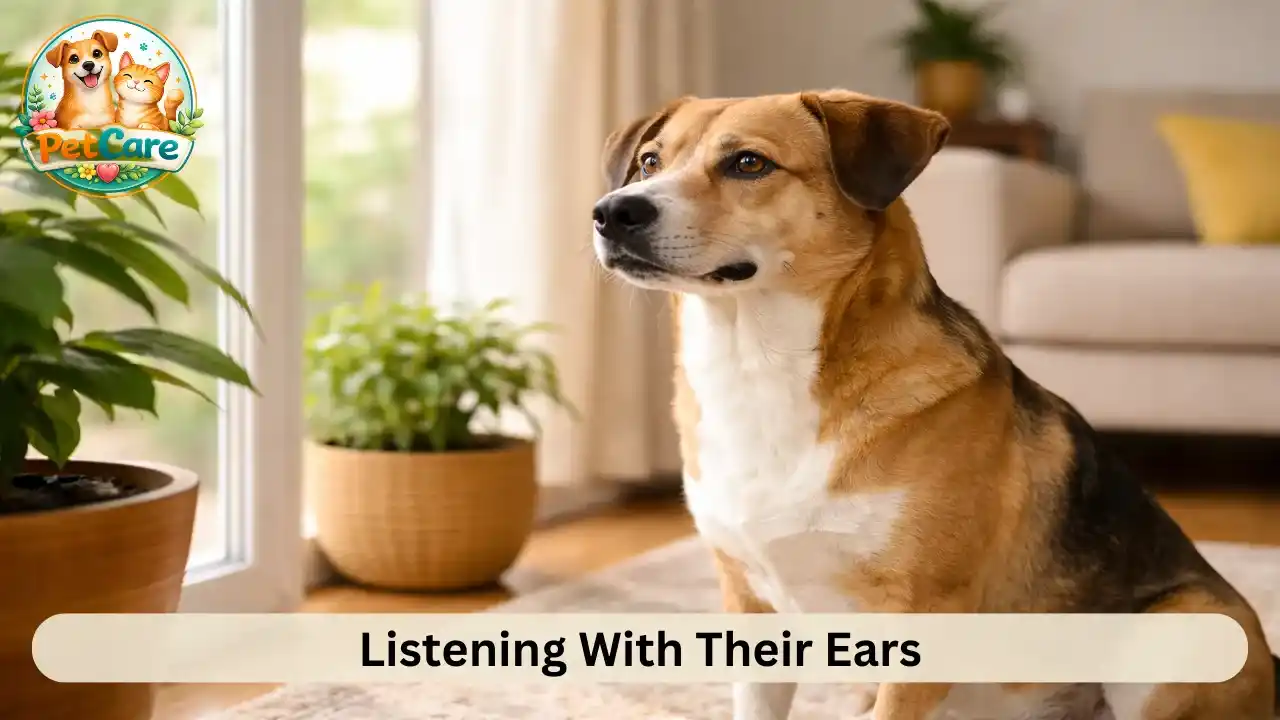
Another important part of understanding dog body language (basic signals explained) is observing the ears.
Dogs often adjust their ear position depending on their mood.
Common ear signals include:
Ears relaxed or slightly forward – The dog is calm and attentive
Ears standing upright – The dog is alert or curious
Ears pulled back – The dog may feel nervous or unsure
Different breeds have different ear shapes, so it helps to observe your own dog regularly to understand their normal posture.
Eye Contact and Facial Expressions
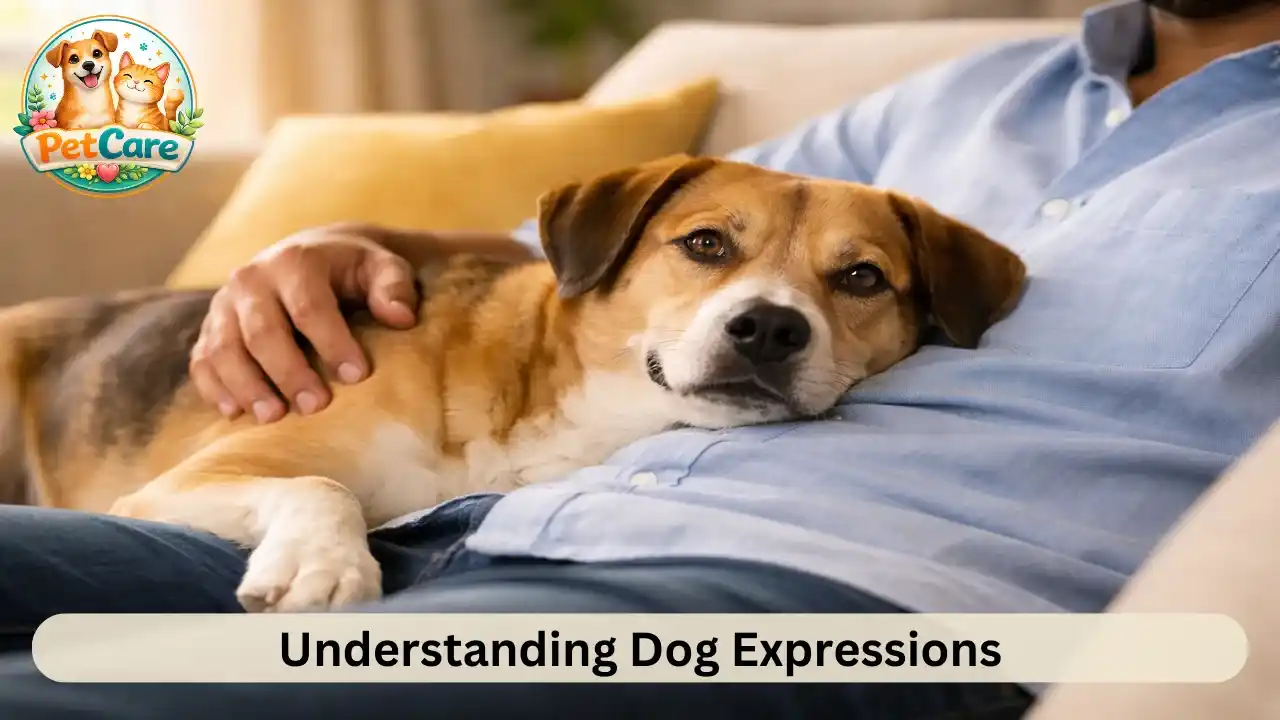
A dog’s eyes can communicate a lot about their emotional state.
Soft, Relaxed Eyes
When a dog has relaxed eyes and a gentle expression, they are usually comfortable. Many dogs show this expression when resting near their owner.
Avoiding Eye Contact
Looking away can sometimes mean the dog is trying to remain calm or avoid tension.
Wide Eyes
Wide eyes or intense staring may show alertness or excitement. It is commonly seen when a dog notices movement outside or hears an unfamiliar sound.
Understanding dog facial expressions is an important part of reading overall dog behaviour.
Body Posture and Overall Movement
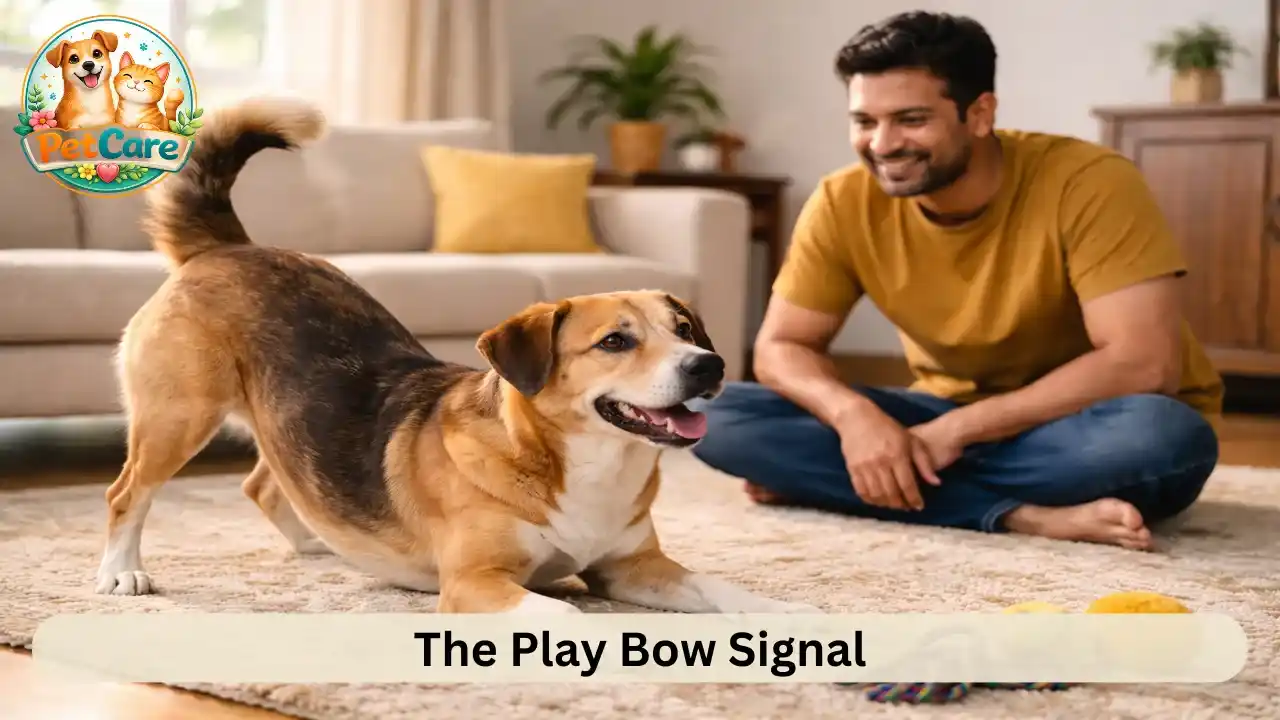
Dogs communicate strongly through posture. Even without tail or ear movement, their body position can tell you how they feel.
Relaxed Body
A relaxed dog often stands or lies down comfortably with loose muscles.
Playful Posture
One of the most common dog behaviour signals is the “play bow.”
This is when the dog lowers their front legs while keeping the back legs raised. It is a friendly invitation to play.
Stiff or Frozen Posture
A stiff body may indicate that the dog is highly alert or focused on something. Many dogs show this when watching birds, strangers, or unfamiliar animals.
Learning how to read dog posture can help owners respond appropriately in different situations.
Signs Your Dog Feels Happy and Comfortable

In most homes, happy dogs show a combination of relaxed signals.
Common signs of a comfortable dog include:
Gentle tail wagging
Relaxed ears
Soft eyes
Playful movements
Leaning toward the owner for attention
These behaviours are part of everyday dog communication signals and often appear during playtime, walks, or relaxed moments at home.
Signs Your Dog May Feel Nervous
Dogs sometimes experience uncertainty, especially in new environments.
Some common signals include:
Tail tucked low
Ears pulled back
Avoiding eye contact
Slow movement or hesitation
Staying close to the owner
When pet owners notice these dog body signals, it is generally helpful to give the dog space and allow them to adjust gradually.
Common Beginner Mistakes When Reading Dog Signals
Many new pet owners misunderstand dog body language at first. This is normal and improves with experience.
Some common mistakes include:
Assuming All Tail Wagging Means Happiness
Not every wag indicates joy. The speed and posture of the body matter as well.
Ignoring Subtle Signals
Dogs often show small signals before stronger reactions. Paying attention early helps avoid confusion.
Forcing Interaction
Sometimes dogs simply want quiet time. Allowing them space helps maintain trust.
Misreading Play Signals
A play bow or energetic movement is usually friendly behaviour, but it can be misunderstood by beginners.
Understanding dog body language becomes easier when you observe your dog regularly in everyday situations.
Practical Tips for Learning Your Dog’s Signals
Reading dog behaviour takes patience and observation.
Here are a few helpful tips for beginners:
Spend time simply watching your dog’s natural behaviour
Notice how posture changes during play, rest, or walks
Observe reactions when meeting new people
Learn your dog’s normal relaxed posture
Avoid sudden movements that may confuse the dog
For many pet owners, the best way to understand dog communication signals is by spending calm, consistent time with their pet.
Building Better Communication With Your Dog
Dogs thrive when they feel understood. Once you start recognizing their body signals, communication becomes easier.
In most homes, dogs respond positively when their owners notice signs of comfort, excitement, or nervousness.
Over time, learning how to read dog body language also helps improve training, bonding, and everyday routines.
Understanding dog body language (basic signals explained) is not about memorizing rules. It is about observing your dog and respecting their natural ways of communicating.

FAQs On Understanding Dog Body Language
Most pet owners begin noticing patterns within a few weeks of observing their dog daily. Every dog has slightly different habits.
Not always. While many signals are common, individual personality and breed characteristics can influence behaviour.
Looking away is often a calming signal. Dogs commonly use it to avoid tension or show that they are relaxed.
Yes. Relaxed posture, playful movements, and soft facial expressions can also indicate that a dog feels comfortable and content.
A Few Honest Words Before You Go
Dogs communicate far more through body language than through sounds. By paying attention to tail movement, ear position, posture, and facial expressions, pet owners can better understand what their dog is trying to express.For beginners, learning these signals may take time, but it becomes easier with daily observation. In most homes, this simple awareness helps build stronger trust and a more relaxed relationship between the dog and the owner.Understanding dog body language (basic signals explained) is one of the most valuable skills a pet owner can develop. It allows you to respond thoughtfully, respect your dog’s emotions, and create a more comfortable environment for your pet.