How to Choose the Right Pet for Your Lifestyle

Bringing a pet home is an exciting moment. Many people imagine playing with a puppy, watching colorful fish swim in an aquarium, or listening to birds chirp in the morning. Pets can bring joy and companionship to everyday life.
However, choosing a pet should never be a quick decision. Every animal has its own habits, care needs, and personality. That’s why understanding how to choose the right pet for your lifestyle is so important before making a commitment.
In most homes, the best pet is not simply the cutest one. It is the one that fits well with your daily routine, available space, and comfort level with pet care. When the match is right, both the owner and the pet usually feel more relaxed and happy.
Let’s look at some practical things that can help you make the right choice.
Why Lifestyle Matters When Choosing a Pet

Many first-time pet owners choose animals based on appearance or trends. While there is nothing wrong with admiring a particular pet, lifestyle compatibility matters much more in the long run.
Different pets need different levels of attention and activity. For example:
Dogs generally need regular walks and interaction.
Cats are usually more independent but still enjoy playtime.
Rabbits and small pets need safe indoor spaces and gentle handling.
Fish mainly require proper tank maintenance and regular feeding.
Understanding your routine is the first step in choosing a pet that fits your daily routine.
Consider Your Daily Schedule

Your daily schedule plays a big role in pet care.
Some pets need frequent interaction, while others are comfortable spending time alone. In many households, work schedules, school timings, and travel plans can affect how much time is available for pet care.
Ask yourself a few simple questions:
How many hours are you at home each day?
Can you spend time interacting with your pet regularly?
Are weekends available for extra care and cleaning?
For people with busy schedules, low maintenance pets for beginners such as fish or certain small animals may be easier to manage.
Think About the Space Available in Your Home
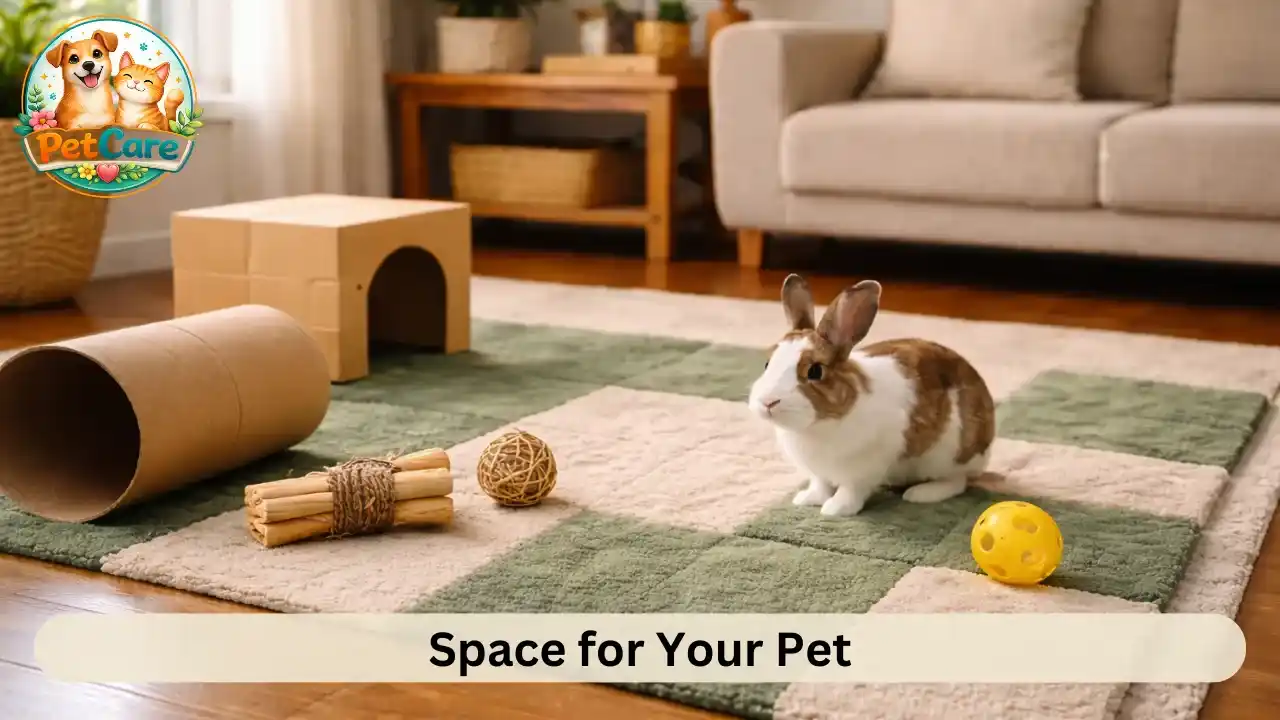
The amount of space in your home also affects how to choose the right pet for your lifestyle.
Some animals need room to move around comfortably, while others can live happily in smaller spaces.
For example:
Dogs generally enjoy open spaces or regular outdoor walks.
Cats adapt well to apartments.
Rabbits need safe indoor play areas.
Fish require proper aquarium setups.
In most apartments, smaller pets often adjust more easily than very active animals.
Understand the Care Requirements
Every pet needs regular care. This includes feeding, cleaning, grooming, and attention.
Before bringing a pet home, try to understand the basic responsibilities involved in pet care for first-time owners.
Common responsibilities include:
Feeding pets at regular times
Cleaning cages, litter areas, or aquariums
Providing toys and enrichment
Spending time interacting with the pet
Many beginners find it helpful to start with pets that have easy pet care routines.
Choosing Pets for Families With Children

In homes with children, pets can become wonderful companions. However, safety and gentle handling should always be part of the plan.
Some pets commonly considered best pets for families with kids include:
Calm dog breeds
Friendly cats
Rabbits with supervised handling
Fish aquariums
Children should always be taught how to interact respectfully with animals. Simple habits like gentle touching and quiet play help create a comfortable environment for both pets and kids.
Consider Noise Levels and Neighbours
Another practical factor that many people forget is noise.
Some pets naturally make more sound than others. Birds, for example, often chirp throughout the day. Dogs may bark occasionally when they feel excited or alert.
If you live in an apartment building or shared housing, it may help to consider pets suitable for apartment living that generally stay quiet and calm.
Think About Long-Term Commitment
Many pets live for several years. Some animals, such as parrots or turtles, may live even longer.
Before choosing a pet, think about long-term responsibilities:
Feeding routines
Cleaning and maintenance
Daily interaction
Travel arrangements when you are away
For many pet owners, understanding this commitment helps them make a more thoughtful decision when selecting the right pet for your home.
Observing the Pet’s Behaviour
When visiting a shelter or pet adoption center, spend some time observing the animal’s behaviour.
Look for signs of curiosity, calmness, and comfort around people.
In many cases, the right connection happens naturally. A pet that feels relaxed around you may adjust more easily to your home environment.
Understanding pet personality and lifestyle compatibility helps ensure a smoother transition for both the pet and the owner.
Common Beginner Mistakes When Choosing a Pet

First-time owners often make a few common mistakes when choosing their first pet. Being aware of these can help avoid unnecessary stress.
Choosing Based Only on Appearance
A cute pet may catch your attention, but care needs should always come first.
For example, energetic animals require more activity and attention.
Not Researching Pet Habits
Some pets are active during the night, while others are active during the day.
Understanding these natural habits helps you find the best pet for your living situation.
Ignoring Space Requirements
Small apartments may not be suitable for large, high-energy animals.
Choosing a pet that fits your available space usually leads to a more comfortable environment.
Underestimating Daily Responsibilities
Feeding, cleaning, and interaction are part of everyday pet care. Many beginners underestimate how important consistent routines are for pets.
Practical Tips Before Bringing a Pet Home
If you are still deciding how to choose the right pet for your lifestyle, a few simple steps can help.
Spend time learning about different pets.
Visit shelters or pet stores to observe animals.
Talk to experienced pet owners.
Start with pets known for beginner-friendly care.
Taking a little time to research often leads to a more enjoyable pet ownership experience.
Building a Comfortable Environment for Your Pet
Once you choose a pet, creating a comfortable home environment becomes the next step.
Generally, pets feel secure when they have:
A clean resting area
Safe toys or enrichment activities
Consistent feeding times
Gentle interaction with family members
These small routines help pets adjust smoothly to their new surroundings.

A few honest words before you go
Choosing a pet is an important decision that should match your lifestyle, daily routine, and home environment. Understanding how to choose the right pet for your lifestyle helps ensure that both you and your pet enjoy a happy and comfortable relationship.
In most homes, the best pet is not the most popular one — it is the one that fits naturally into your routine. By considering your schedule, available space, and level of commitment, you can make a thoughtful choice that benefits both you and your future companion.
With patience, proper care, and a welcoming environment, pets often become cherished members of the family.
Frequently Asked Questions
1. What is the easiest pet for beginners?
Many beginners start with fish, small birds, or rabbits because their care routines are generally simple. However, every pet still needs attention and regular care.
2. How do I know if a pet fits my lifestyle?
Think about your daily schedule, available space, and how much time you can spend with the pet. These factors usually help guide the decision.
3. Are small pets better for apartments?
In most apartments, smaller pets like fish, birds, or rabbits adjust comfortably because they require less space than larger animals.
4. Should I adopt or buy a pet?
Many people consider adopting from shelters because it gives animals a chance to find loving homes. However, the most important factor is choosing a pet that suits your lifestyle and environment.