Best Toys to Keep Your Indoor Cat Active
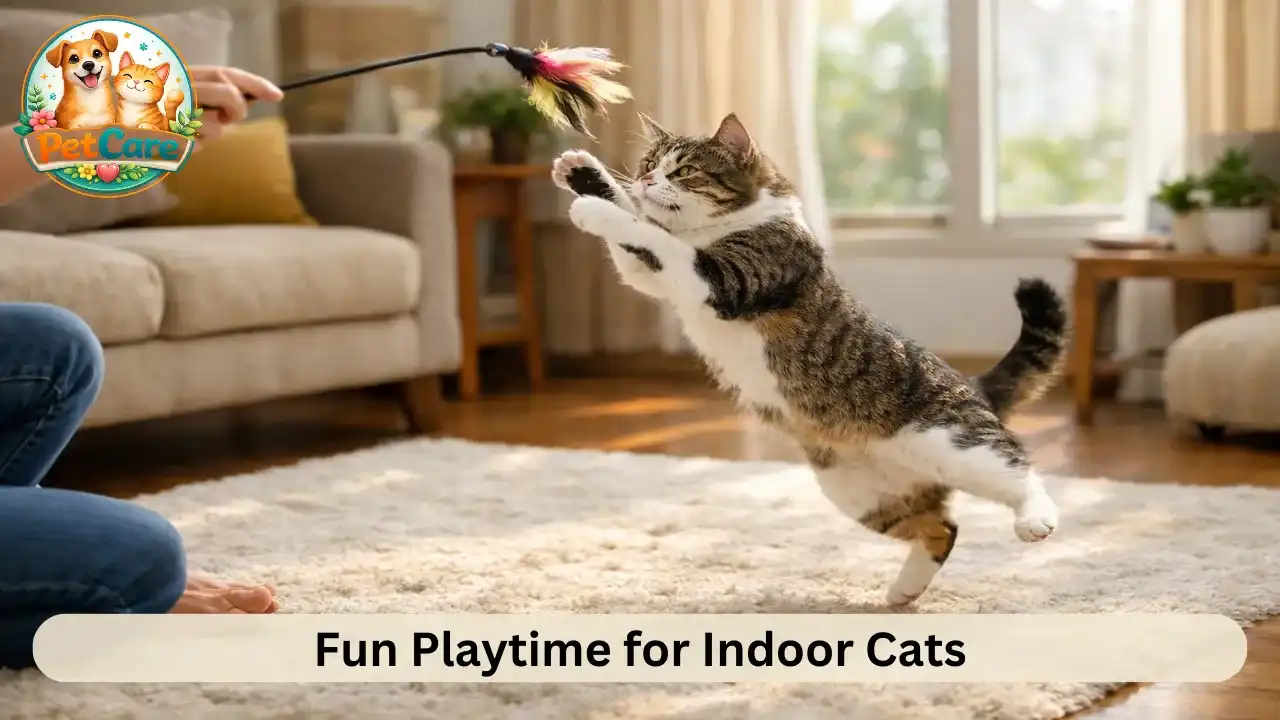
Indoor cats often live comfortable and safe lives, but they can also become a little bored if their environment stays the same every day. Unlike outdoor cats that explore, climb, and chase things naturally, indoor cats rely on their owners to provide mental and physical stimulation.
That’s why choosing the best toys to keep your indoor cat active is an important part of everyday pet care. The right toys help cats use their natural instincts like chasing, jumping, and hunting.
In most homes, even a few simple toys can turn a quiet afternoon into a fun play session for your cat. The goal isn’t to fill the house with expensive items, but to create opportunities for movement and curiosity.
Let’s look at some of the most useful toys that help indoor cats stay engaged and active.
Why Indoor Cats Need Regular Play
Cats are natural hunters. Even when they live indoors, those instincts don’t disappear.
Without enough stimulation, many indoor cats simply sleep for long hours. While rest is normal, too little activity can make a cat uninterested in its surroundings.
Regular play helps with:
Burning off extra energy
Preventing boredom in indoor cats
Encouraging natural hunting behaviour
Strengthening the bond between owner and pet
Keeping daily routines interesting
For many pet owners, playtime also becomes a relaxing way to spend time with their cat after a busy day.
Interactive Wand Toys
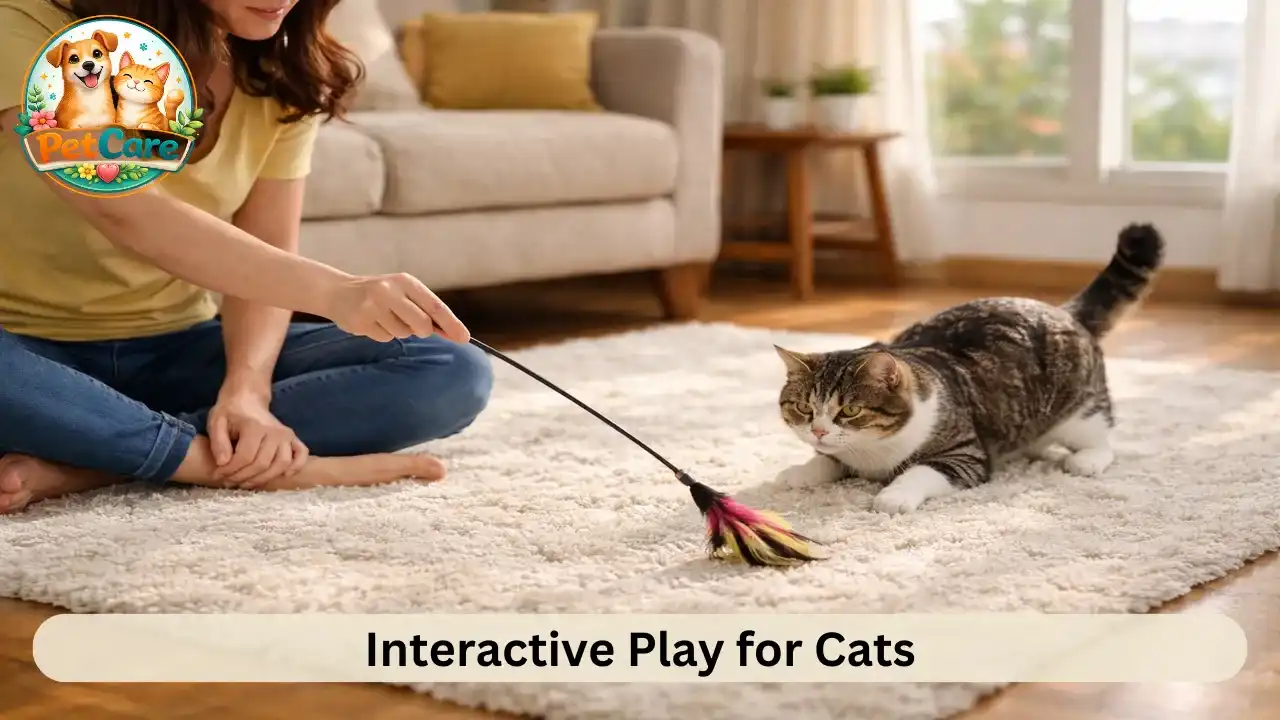
One of the best toys to keep your indoor cat active is a simple wand toy with feathers or fabric attached to the end of a string.
These toys work well because they mimic the movement of birds or small animals. When you move the wand slowly across the floor or through the air, most cats immediately become interested.
Why cats enjoy wand toys
They encourage jumping and chasing
They involve the owner in playtime
The movement keeps the cat focused
They stimulate natural hunting instincts
For beginners, wand toys are often the easiest way to start interactive play for indoor cats.
Tip: Move the toy in short, unpredictable movements instead of swinging it constantly. This usually makes the game feel more natural for the cat.
Small Balls and Rolling Toys
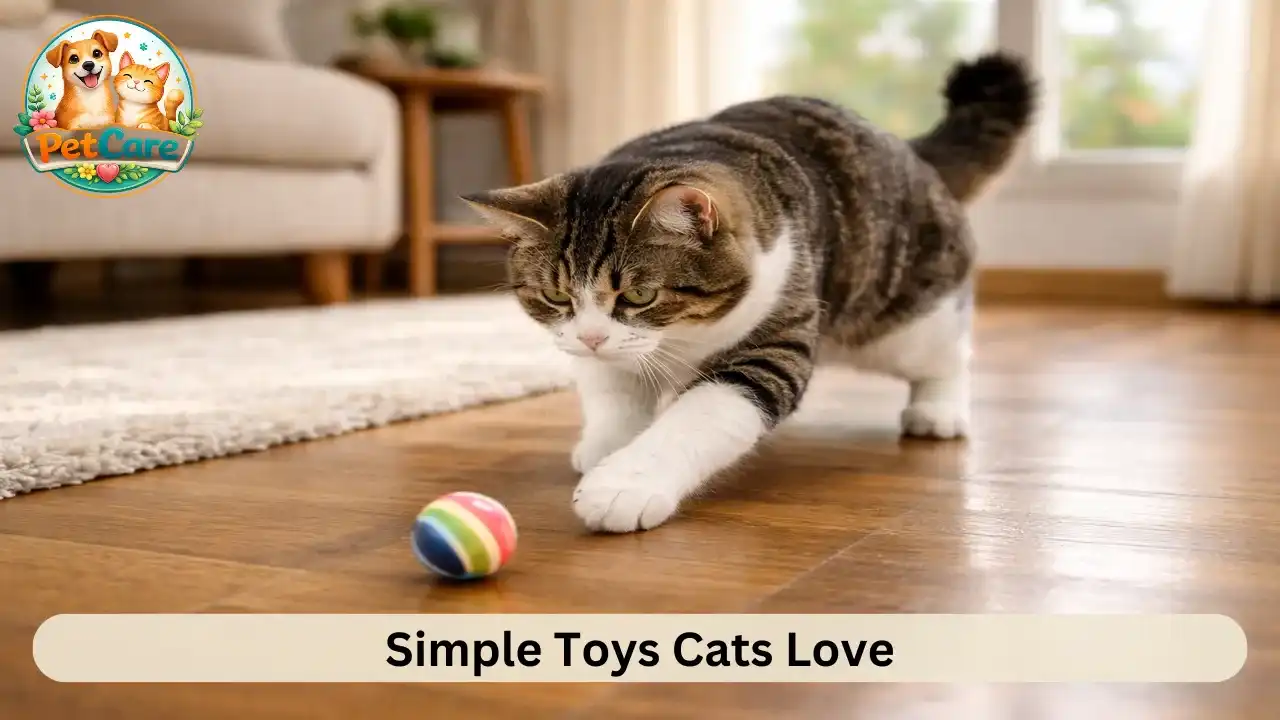
Simple rolling toys are commonly used in many homes because cats enjoy chasing moving objects.
Lightweight balls made of plastic, foam, or fabric can easily roll across the floor, which triggers a cat’s curiosity.
These toys are useful for keeping indoor cats entertained when the owner is busy.
Popular rolling toy options
Small plastic balls with bells inside
Soft foam balls
Lightweight fabric balls
Track toys with rolling balls inside
Track toys are especially interesting because the ball stays inside a circular track while the cat tries to catch it.
For many pet owners, these are some of the most simple cat toys for indoor exercise.
Puzzle Toys for Mental Stimulation
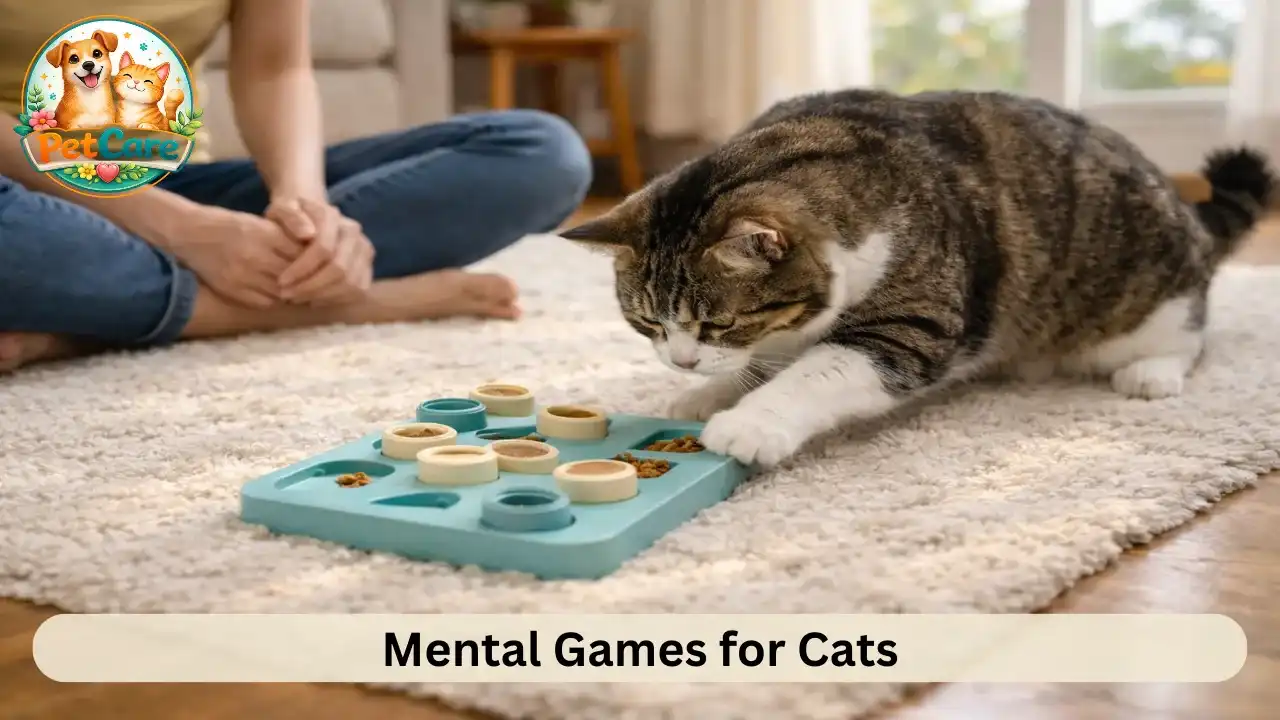
Not all cat toys need to involve running and jumping. Some toys are designed to challenge a cat’s mind.
Puzzle toys usually hide small treats or dry food inside small compartments. The cat has to move parts of the toy to access the food.
These toys are commonly used for mental stimulation toys for cats.
Benefits of puzzle toys
Encourage problem-solving
Slow down fast eating habits
Keep cats busy for longer periods
Reduce boredom during quiet hours
For indoor cats that stay alone at home during the day, puzzle toys can be a useful way to keep them engaged.
Catnip Toys
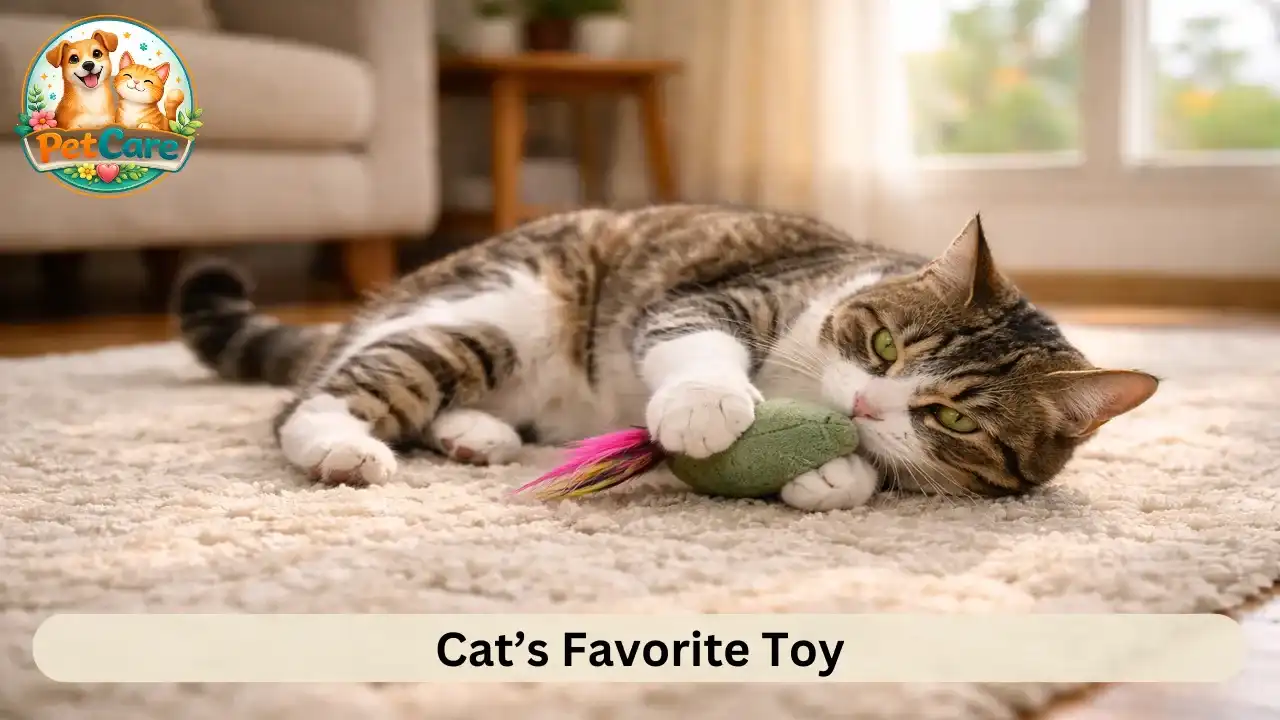
Many cats respond strongly to catnip-filled toys. These toys are usually soft and shaped like mice, fish, or small pillows.
When cats smell catnip, they often become playful and energetic for a short period.
That’s why catnip toys are commonly included among the best toys to keep your indoor cat active.
However, reactions vary from cat to cat. Some cats become very playful, while others may simply enjoy sniffing or rolling around the toy.
For most owners, these toys work best when used occasionally so the cat stays interested.
Climbing Toys and Cat Trees
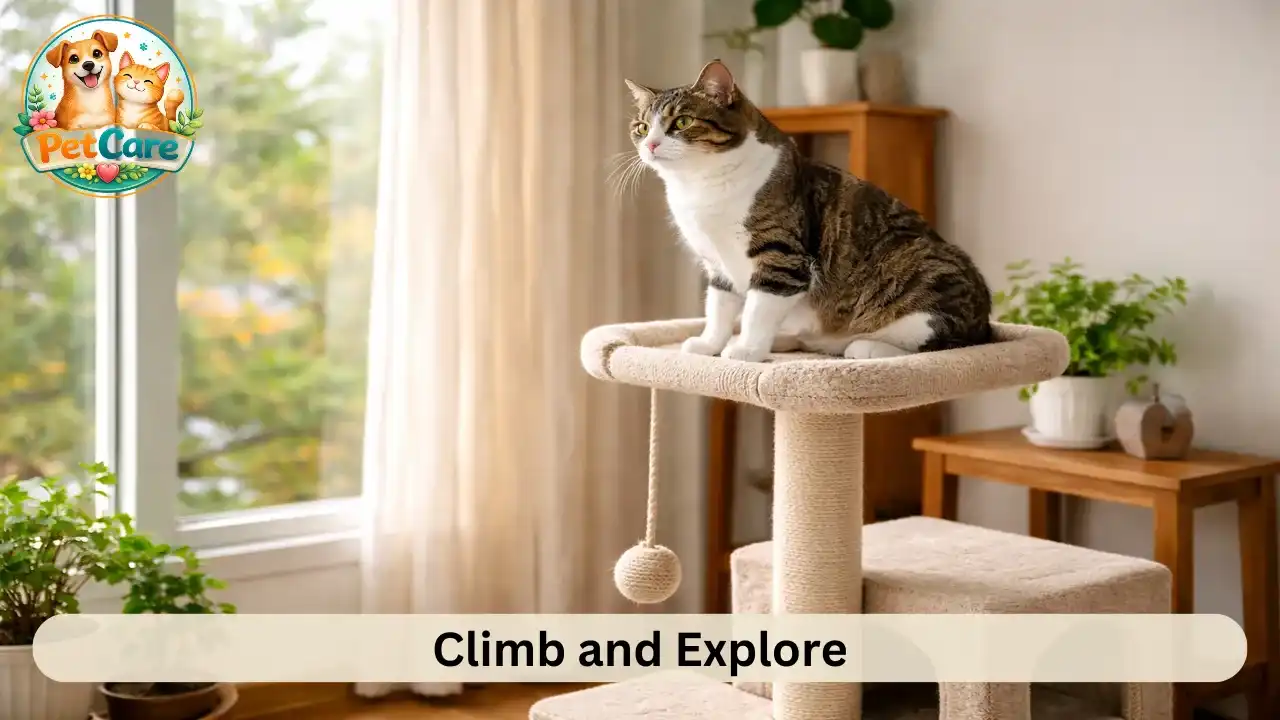
Cats naturally enjoy climbing and observing their surroundings from higher places.
A cat tree or climbing structure provides both activity and a resting spot.
These setups are especially useful in apartments or small homes where cats cannot explore outdoors.
Features of a good climbing toy
Stable base
Multiple levels or platforms
Scratching surfaces
Soft resting areas
In many homes, a cat tree becomes the cat’s favourite spot for relaxing and watching the room.
It also helps combine indoor cat exercise toys with a comfortable resting space.
Toy Mice and Prey-Style Toys
Toy mice are among the oldest and most common cat toys for indoor cats.
These toys work because they resemble small animals that cats would normally hunt.
Many cats enjoy carrying toy mice in their mouths, hiding them under furniture, or tossing them in the air.
Some versions include:
Fabric mice
Plush prey toys
Small toys with feathers
Lightweight toys that slide across the floor
Even though they look simple, these toys often become a cat’s favourite play items.
Rotating Toys to Keep Things Interesting
One mistake many new cat owners make is leaving all toys available at the same time.
Cats can lose interest if the same toys stay out every day.
Instead, many experienced owners rotate toys every few days.
For example:
Keep 3–4 toys available this week
Store the others in a drawer
Swap them after a few days
This simple habit helps prevent boredom in indoor cats and keeps toys feeling new again.
Beginner Mistakes When Choosing Cat Toys
Many first-time cat owners buy toys without considering their cat’s personality.
Here are a few common mistakes:
Buying too many toys at once
Cats often prefer a few familiar toys rather than dozens of options.
Choosing toys that are too large
Smaller toys usually feel more natural for cats to chase.
Ignoring interactive play
Some toys work best when the owner participates.
Not observing what the cat likes
Every cat has different preferences. Some love chasing toys, while others enjoy puzzle toys.
Watching how your cat plays helps you choose better toys over time.
Simple Playtime Tips for Indoor Cats
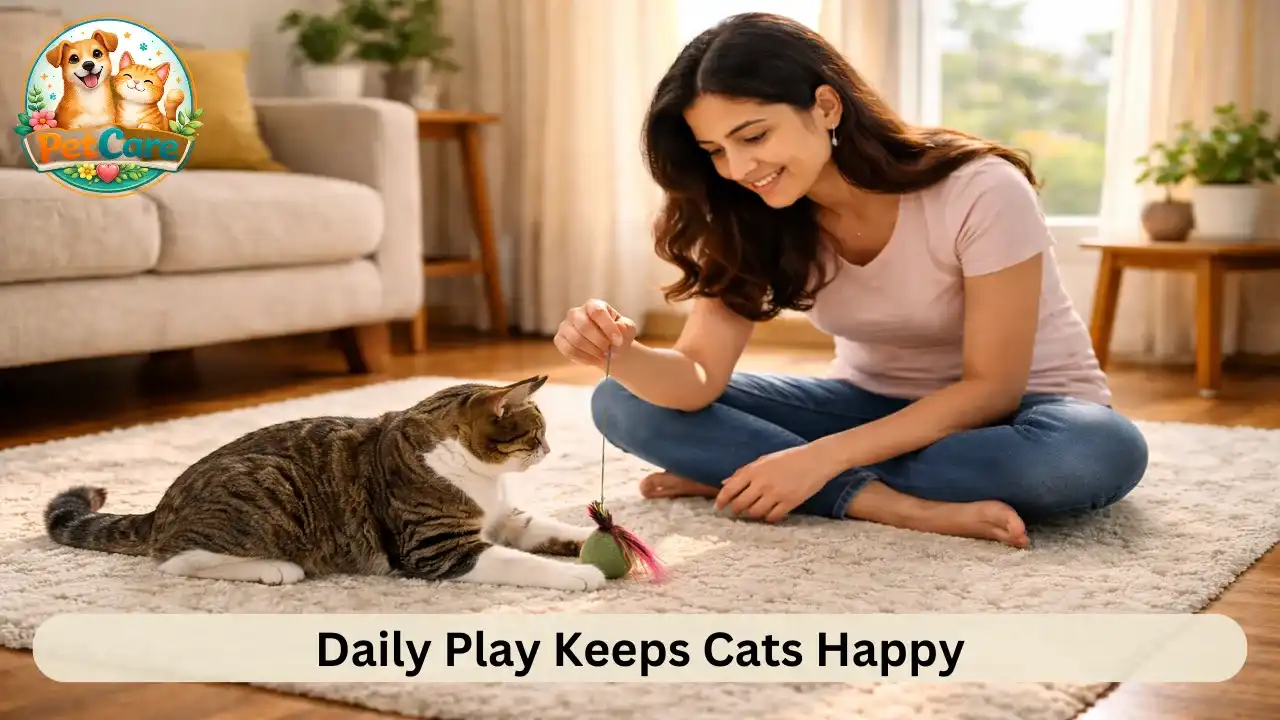
Creating a short daily play routine can make a big difference for indoor cats.
Here are a few practical tips used in many homes:
Schedule play sessions once or twice daily
Keep sessions around 10–15 minutes
Use toys that encourage movement
End playtime calmly so the cat can relax
Many cats enjoy playtime most during early morning or evening hours.
Regular activity helps keep the cat engaged with its environment and prevents long periods of boredom.
FAQs On Best Toys to Keep Your Indoor Cat Active
Most cats benefit from one or two short play sessions each day. Even 10–15 minutes of active play can make a difference.
Many cats enjoy toys that mimic prey, such as feather wands, toy mice, and small rolling balls.
Yes, some toys like track toys and puzzle toys allow cats to play independently when owners are busy.
Rotating toys every few days and introducing new play styles can help keep your cat interested.
A Few Honest Words Before You Go
Choosing the best toys to keep your indoor cat active does not require complicated setups or expensive products. In most homes, a mix of interactive toys, rolling toys, puzzle toys, and climbing spaces etc,works well.The key is variety and regular playtime.Some cats love chasing feather wands, while others enjoy batting small balls or solving simple puzzles. Observing your cat’s preferences will help you to choose toys according to your cat and it is not much expensive. If you are busy in your work and do not have time to play with you cat then it is best for you to bring some toys in you home.With the right toys and a little daily interaction, indoor cats can stay curious, playful, and happy within the comfort of home.