Indoor cat setup for small apartments
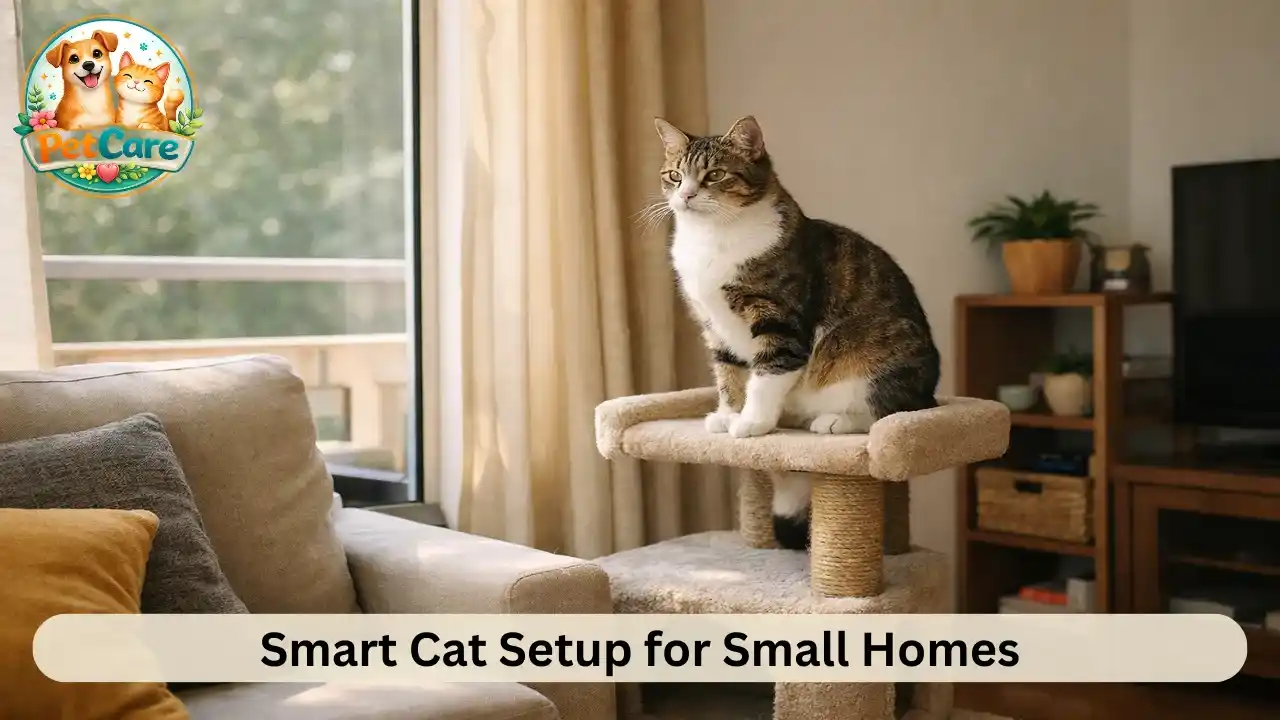
Living in a small apartment doesn’t mean you can’t give your cat a happy, comfortable life. In fact, with the right Indoor cat setup for small apartments, even a compact space can feel like a complete world for your feline friend.
Many pet owners in India live in 1BHK or 2BHK flats, often with limited balcony space and shared walls. I’ve seen in most homes that space is not the real problem — planning is. When you understand how cats think and what they truly need, setting up your home becomes much easier.
Let’s break it down step by step in a practical and beginner-friendly way.
Understanding What Indoor Cats Really Need
Before planning your Indoor cat setup for small apartments, it helps to understand a simple truth: cats don’t need a huge house. They need:
Vertical space
A quiet resting area
A clean litter corner
Access to fresh food and water
Daily play and mental stimulation
For many pet owners, the mistake is focusing only on floor space. Cats naturally love climbing, hiding, observing, and lounging. So the key is to think in layers, not just in square feet.
Creating Vertical Space in a Compact Home
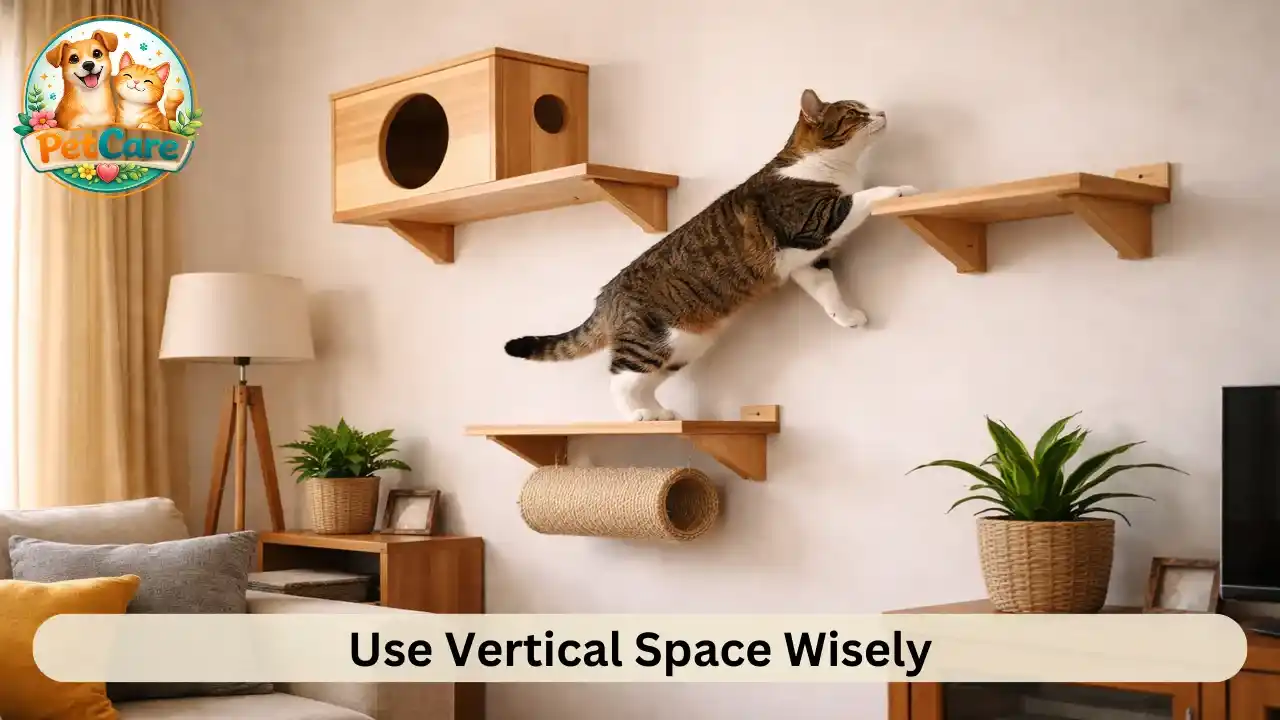
In a small apartment, walls are your biggest advantage.
Use Height Wisely
Vertical space for indoor cats can include:
Wall-mounted shelves (securely fixed)
Multi-level cat trees
Window perches
Top of sturdy cupboards (if safe)
Climbing spots allow your cat to feel secure and confident. In small Indian apartments, this also helps keep them away from constant foot traffic.
Cat Trees for Small Spaces
Look for a compact cat tree for small spaces rather than a bulky one. Even a slim, tall tree placed in a corner can provide:
Scratching area
Lounging platform
Elevated viewpoint
Cats often feel calmer when they have a “watch tower” in the house.
Setting Up a Comfortable Resting Area
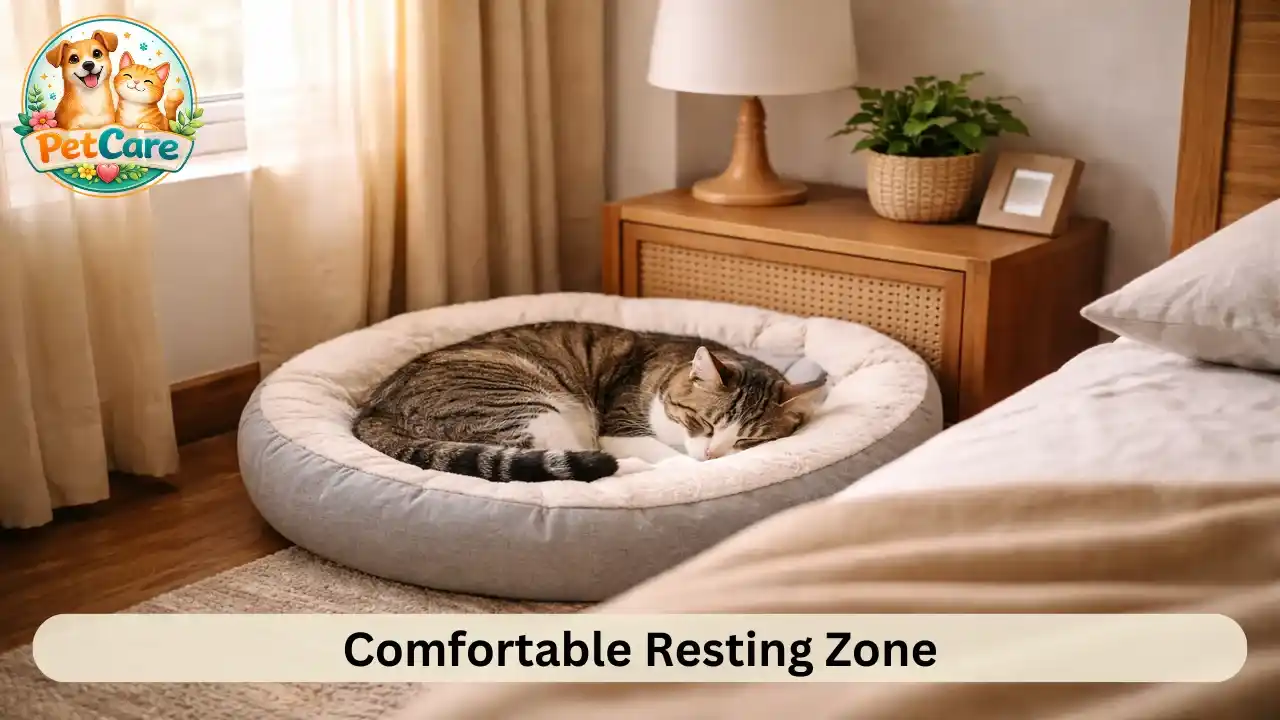
Every cat needs a designated safe zone.
Choose a Quiet Corner
In most flats, noise from kitchens, televisions, or balconies can disturb cats. Choose:
A corner of the bedroom
A peaceful part of the living room
A low-traffic space
Add a soft bed or folded blanket. Many cats also like cardboard boxes with a soft cloth inside — simple but effective.
Avoid Beginner Mistakes
Common mistakes include:
Placing the bed next to the litter box
Keeping it near the main door
Frequently changing the sleeping spot
Cats love routine. Once they choose a comfortable resting place, try not to move it often.
Litter Box Placement in Small Homes
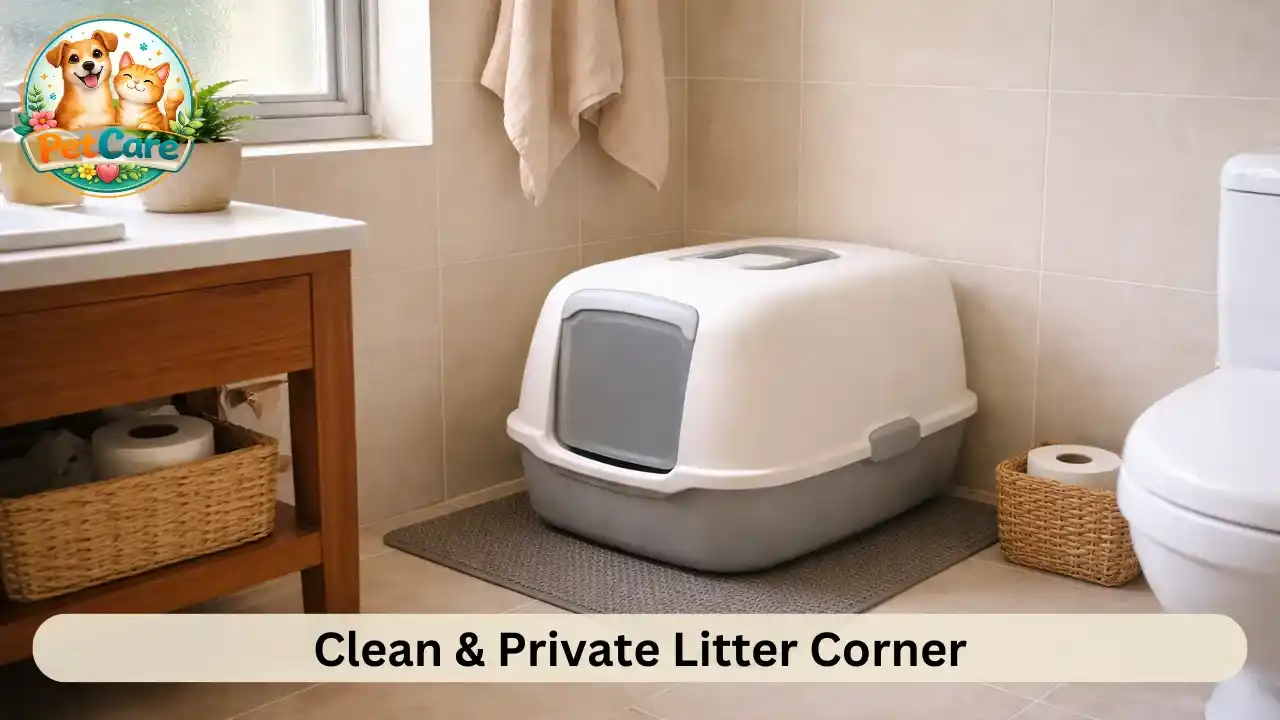
Litter box placement in small homes is one of the most challenging parts of a small apartment setup.
Best Spots for Litter Box
Common options in Indian apartments:
Bathroom corner
Balcony (if covered and safe)
Utility area
Make sure the place is:
Well-ventilated
Dry
Slightly private
Avoid placing it near the food bowls. Cats generally prefer separation between eating and toilet areas.
Keep It Clean
Regular cleaning is essential in compact spaces. In small apartments, smells spread quickly if not maintained. Daily scooping and keeping the area dry makes a big difference.
Feeding Setup in Limited Space
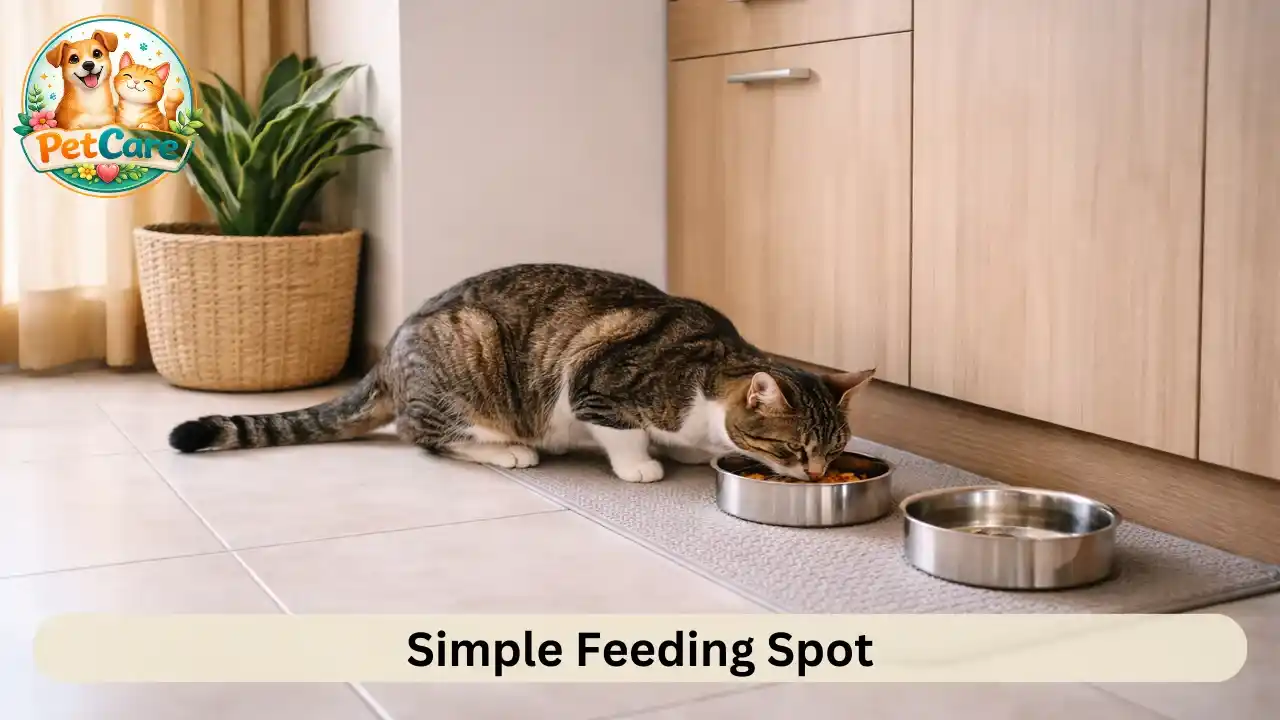
A proper feeding setup for indoor cats doesn’t require much space, just consistency.
Practical Feeding Tips
Place food and water bowls in a calm area
Use stainless steel or ceramic bowls
Keep water slightly away from food
For many pet owners, creating a fixed feeding spot builds routine and reduces mess.
If you have limited floor space, placing bowls along the wall works well.
Designing a Safe Balcony for Cats
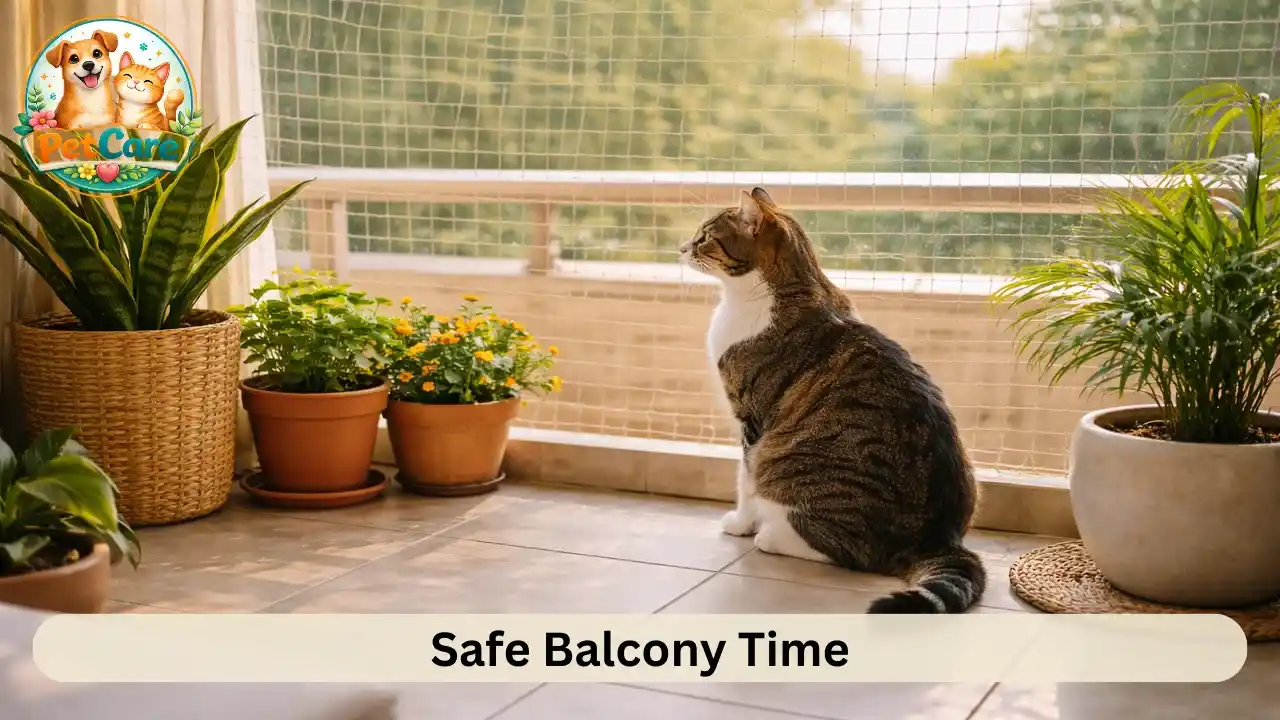
Many Indian flats have balconies. If used wisely, they can be great enrichment zones.
Safe Balcony Setup
If you are planning a safe balcony setup for cats:
Install proper netting for full coverage
Remove toxic plants
Avoid leaving plastic or small objects lying around
Balconies can give fresh air and sunlight safely when secured properly. Never allow unsupervised access if safety measures are incomplete.
Mental Stimulation in a Small Apartment

Indoor cat enrichment ideas are extremely important in small homes.
Since cats can’t go outside, you need to bring stimulation to them.
Simple Enrichment Ideas
Rotate toys every few days
Use simple cardboard scratching boards
Create hiding tunnels using old boxes
Play interactive games for 10–15 minutes daily
Interactive play prevents boredom. Even in small apartments, play time creates physical and mental engagement.
Scratching Areas Without Damaging Furniture
One common beginner mistake is ignoring scratching needs.
Cats naturally scratch to maintain claws and mark territory. If you don’t provide scratching options, they may choose sofas or curtains.
Good Scratching Solutions
Vertical scratching posts
Horizontal cardboard scratchers
Wall-mounted scratch panels
Place scratching posts near sleeping areas, as cats often stretch and scratch after waking up.
Indoor Cat Safety Tips for Apartments
Safety is a major part of Indoor cat setup for small apartments.
General Safety Guidelines
Secure windows with mesh
Hide loose electrical wires
Avoid leaving small sharp objects on the floor
Keep cleaning liquids in closed cabinets
Small apartments can become cluttered. Clutter increases risk. Keeping spaces tidy helps both you and your cat.
Managing Space in a 1BHK with a Cat
Indoor cat care in a 1BHK apartment is completely manageable.
Here’s a simple layout idea:
Bedroom: Sleeping area
Living Room: Play area and cat tree
Bathroom/Utility: Litter box
Corner of Hall: Feeding station
This kind of zoning system works well in compact homes.
Common Beginner Mistakes in Small Apartment Cat Setup
Over the years, I’ve seen these common issues:
Buying too many large items for limited space
Ignoring vertical space
Keeping litter and food too close
Not playing daily
Rearranging things too often
Cats thrive on stability. Even in small homes, consistency matters more than size.
Building a Routine That Works
Cats feel secure when they know what to expect.
A simple routine might include:
Morning feeding
Short play session in the evening
Regular litter cleaning
Quiet night-time environment
In small homes especially, routine reduces anxiety and unwanted behaviors.
FAQs About Indoor cat setup for small apartments
Yes, generally cats adjust very well to indoor life as long as they get vertical space, enrichment, and routine interaction.
For one cat in a small apartment, commonly one well-maintained litter box is sufficient.
They can, especially without daily play. Regular interactive play and toy rotation help keep them mentally active.
No, it’s not necessary. But if you have one, it should always be secured properly before allowing access.
Final Thoughts on Indoor cat setup for small apartments
An Indoor cat setup for small apartments is less about square footage and more about thoughtful planning. Cats adapt beautifully when their basic needs are met.In most Indian homes, even a modest apartment can become a cozy, enriching space with the right vertical setup, safe zones, and daily interaction.
You don’t need expensive equipment. You just need:
1)Safe spaces
2)Clean environment
3)Play time
4)Stability
If you stay consistent and observe your cat’s preferences, you will come to know that what is best according to your house.