Bringing a puppy home is one of the happiest moments for many pet owners. In most homes, the first few days are full of excitement, photos, and cuddles. But very quickly, one practical question pops up — How often should you feed a puppy? (age-wise feeding guide)
Feeding a puppy properly is not just about giving enough food. It’s also about giving it at the right time and in the right frequency. Puppies grow very fast, and their feeding schedule changes as they grow. Many beginners in India feel confused about portions, meal gaps, or whether to free-feed. Let’s make it simple and practical.
In this guide, I’ll walk you through feeding frequency by age, common mistakes, helpful tips, and how you can build a routine that suits your home.
Why Feeding Frequency Matters for Puppies
Puppies are not small adult dogs. Their stomachs are smaller, and their energy levels are higher. Generally, they need:
Smaller meals
More frequent feeding
A consistent routine
A proper puppy feeding schedule by age helps with:
Better energy levels during the day
Predictable toilet habits
Easier house training
Balanced growth
Irregular feeding often leads to fussiness, overeating, or digestive discomfort. In most Indian households, establishing routine early makes puppy care much smoother.
How often should you feed a puppy? (age-wise feeding guide)
Let’s break it down simply by age group.
0 to 4 Weeks (Very Young Puppies)
In most cases, puppies below 4 weeks are with their mother.
They feed multiple times a day naturally.
Mother’s milk is their primary food.
Feeding intervals are short and frequent.
At this stage, human interference is usually not required unless guided by a professional. For regular pet owners, feeding schedules usually start becoming relevant after 4 weeks.
4 to 8 Weeks (Weaning Stage)

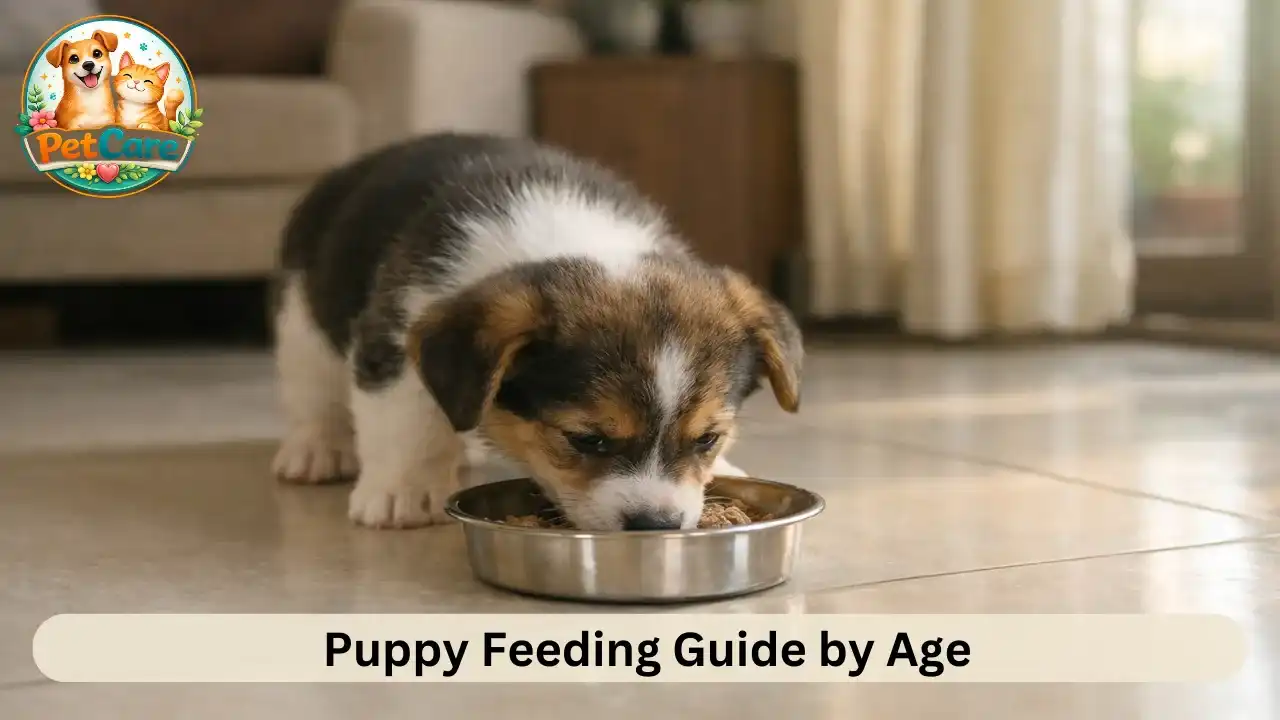
This is when many beginners start asking, how many times a day should a puppy eat?
Generally:
Feed 4 times a day
Small, soft meals
Evenly spaced throughout the day
At this age, you can start a gradual weaning puppy feeding schedule, introducing soft puppy food mixed with warm water.
Example daily routine:
Morning – 7–8 AM
Late morning – 11 AM
Evening – 4–5 PM
Night – 8–9 PM
In many homes, beginners make the mistake of giving large portions twice a day. That’s usually too heavy for a small puppy’s stomach.
2 to 3 Months Old Puppy Feeding Schedule

This is the stage when the puppy becomes more playful and curious.
For a 2 month old puppy feeding frequency, generally:
Feed 4 meals a day
Maintain consistent timings
For a 3 month old puppy feeding routine:
Some owners continue 4 meals
Some gradually shift to 3 meals
Consistency is more important than exact clock timing. Puppies adjust well when they know when to expect food.
Helpful tips:
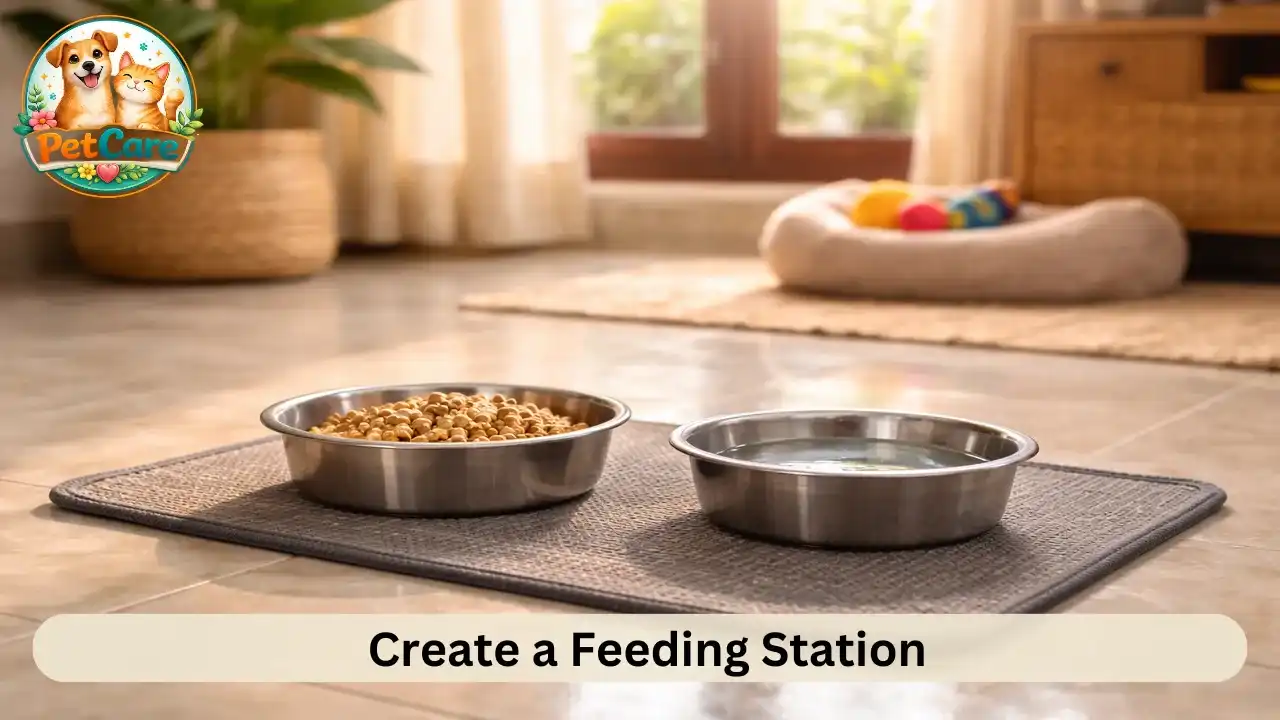
Keep feeding area quiet and calm
Remove leftover food after 15–20 minutes
Avoid random snacks in between
3 to 6 Months (Growing Stage)

Now the big question: how often to feed a growing puppy?
Generally:
Feed 3 times a day
Morning, afternoon, and evening meals
Most puppies at this age can handle slightly larger portions, but still don’t overdo it.
This stage is ideal for building routine. In Indian households where family members feed at different times, try to assign one person to handle feeding. It avoids confusion and overfeeding.
6 to 12 Months (Adolescent Puppy)
By this time, many pet owners ask about transitioning.
For most medium-sized breeds:
Feed 2 times a day
Morning and evening works well in most homes.
Large breeds may stay on 3 meals slightly longer depending on growth needs, but generally, shifting to two meals happens during this stage.
Sample Age-Wise Feeding Chart for Puppies
Here’s a simple beginner-friendly summary:
4–8 weeks: 4 meals per day
2–3 months: 4 meals per day
3–6 months: 3 meals per day
6–12 months: 2 meals per day
This structure works for many pet owners, especially first-time puppy parents.
Portion Size vs. Feeding Frequency
Another common confusion is between meal frequency and portion size.
Even if you know how often to feed a puppy, don’t:
Double the portion thinking the puppy is “always hungry”
Free-feed by keeping food available all day
Puppies may eat out of excitement, not hunger. Controlled portions and fixed timings help them develop discipline and avoid overeating habits.
Common Feeding Mistakes Beginners Make
In most homes, especially with first-time owners, these mistakes are common:
1. Irregular Timings
Feeding at random hours makes house training harder.
2. Overfeeding
Extra treats, leftovers, or frequent snacks disturb the feeding schedule.
3. Switching Foods Too Frequently
Puppies need consistency. Sudden changes can confuse them.
4. Sharing Human Food
Even if the puppy begs, avoid making it a habit. It can affect routine discipline.