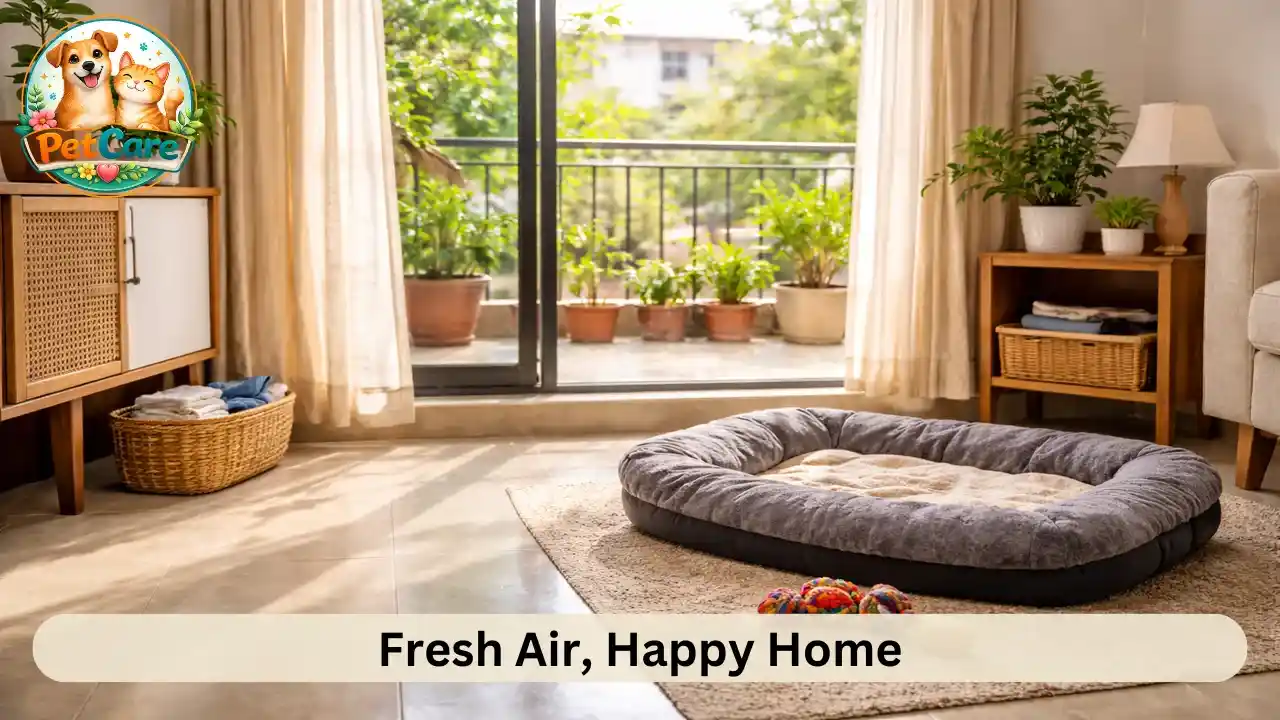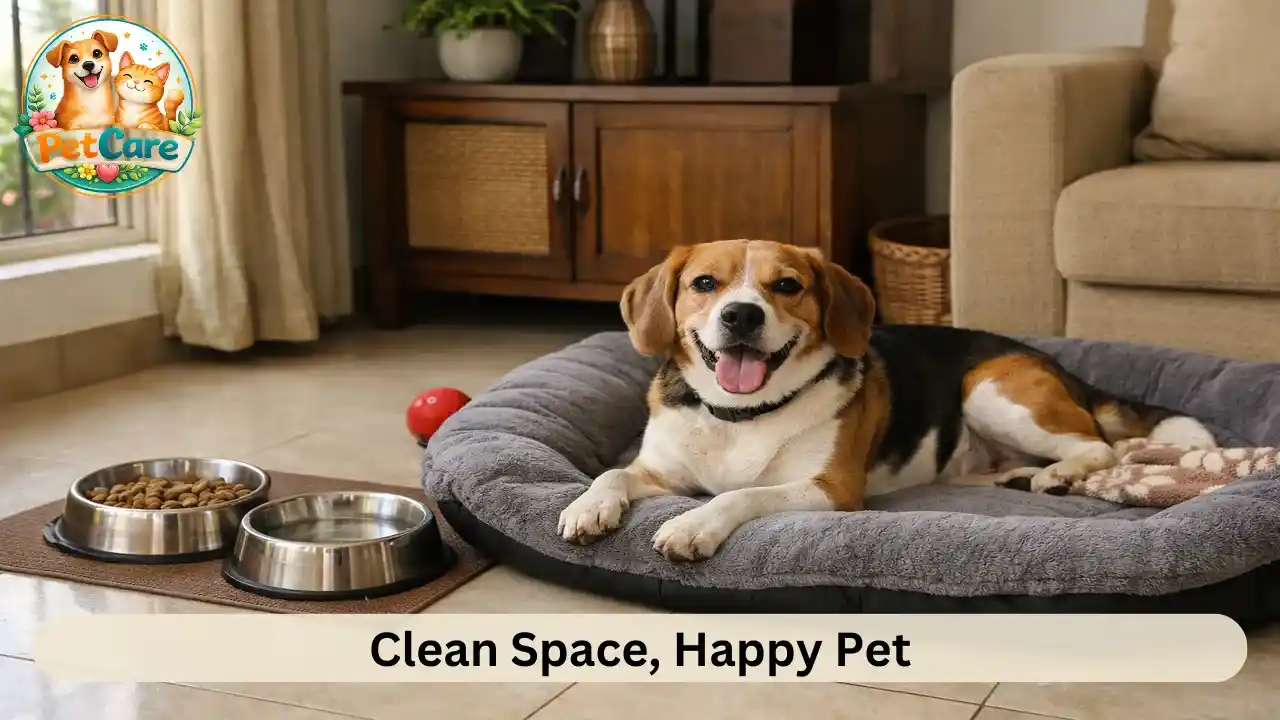
If you have a pet at home, you already know that a clean space makes a big difference. Not just for your home, but for your pet’s comfort too. Over the years, I’ve realized that keeping your pet’s corner neat and fresh doesn’t require anything fancy. It just needs consistency and a little attention every day.
In most Indian homes, pets share space with the family. Whether it’s a dog in the living room, a cat with its litter box in a balcony, or a rabbit in a cozy cage, maintaining hygiene is part of responsible pet ownership. If you’ve been wondering How to keep your pet’s living area clean without feeling overwhelmed, this guide will help you understand it in a simple and practical way.
Let’s break it down step by step.
Why Cleanliness Matters in a Pet’s Space
A clean environment keeps your home smelling fresh and makes your pet feel relaxed. Pets are sensitive to their surroundings. In many homes, when their bedding is dirty or food bowls are messy, they become restless.
Regular pet area cleaning also:
Reduces unpleasant odors
Keeps insects away
Makes daily maintenance easier
Helps you notice changes in your pet’s behavior
It’s not about perfection. It’s about creating a healthy pet environment that feels safe and comfortable.
Start with a Daily Cleaning Routine for Pets

One of the easiest ways to manage cleanliness is by following a small daily routine. It doesn’t take more than 10–15 minutes.
Here’s what I generally do:
Remove leftover food from bowls
Rinse and dry water bowls
Shake out bedding to remove loose fur
Sweep or vacuum around the pet’s resting area
Check litter box or cage tray
When you keep up with this routine, deep cleaning becomes much easier later.
Cleaning Pet Bedding the Right Way
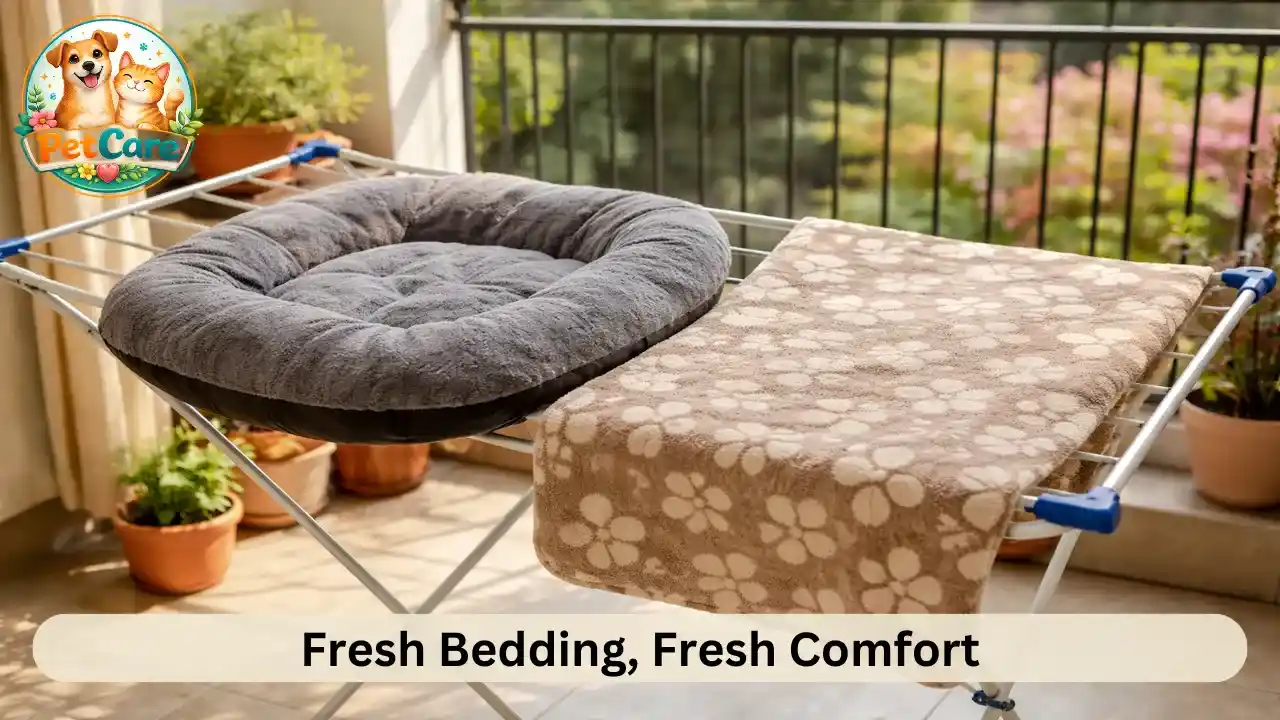
Pet bedding cleaning is something many beginners ignore. But bedding collects fur, dust, and sometimes food particles.
In most homes:
Wash soft bedding once a week
Sun-dry it properly (Indian sunlight works wonderfully)
Use mild detergent without strong artificial fragrance
Make sure bedding is fully dry before placing it back
A common mistake is putting damp bedding back into a cage or crate. Moisture can cause bad smells and discomfort.
How to clean pet cages, crates, and sleeping corners
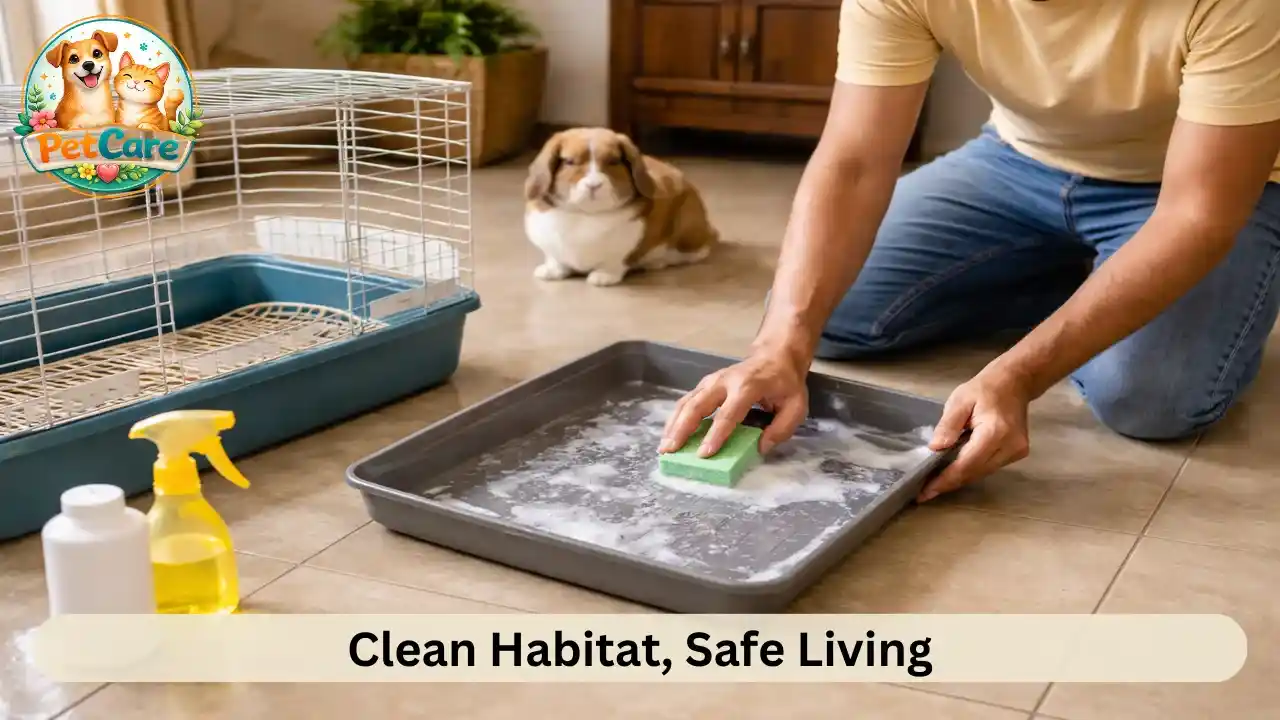
If you have a rabbit, guinea pig, or bird, then cage cleanliness is especially important. Even dogs and cats often use crates or dedicated beds.
Here’s a simple approach:
Step 1: Remove everything
Take out bedding, food bowls, toys, and liners.
Step 2: Empty loose waste
Dispose of litter, droppings, or old newspaper lining.
Step 3: Wash with warm water
Use mild soap and a clean cloth or sponge. Avoid strong chemicals.
Step 4: Dry completely
Always let the area dry before setting it up again.
For floor corners or indoor kennels, sweeping followed by mopping with plain water is usually enough in most homes.
Maintain Clean Pet Feeding Areas
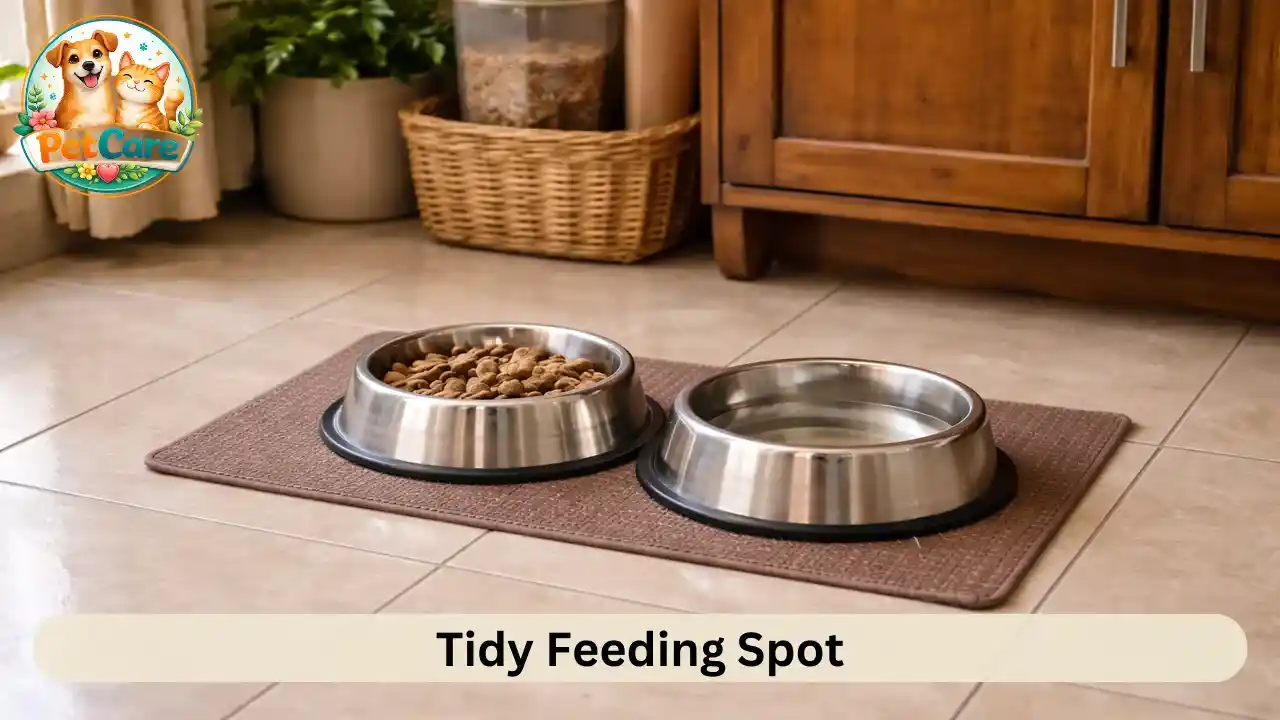
Many pet odors actually start near feeding areas. Water spills and leftover food can attract ants and flies.
To maintain clean feeding areas:
Keep food bowls slightly away from walls
Wipe the area after every meal
Use a washable mat under bowls
Avoid overfilling food
Clean bowls should be washed daily. In humid Indian weather, food residue spoils faster than we realize.
Keep the Litter Box Fresh
For cat owners, litter box maintenance is a daily task.
Some practical tips:
Scoop waste at least once a day
Replace litter regularly instead of just topping it up
Keep the box in a well-ventilated space
Clean the box container weekly with mild soap and water
A common beginner mistake is placing the litter box too close to the feeding area. Most pets prefer these spaces separate.
Fur and Hair Control Around the House
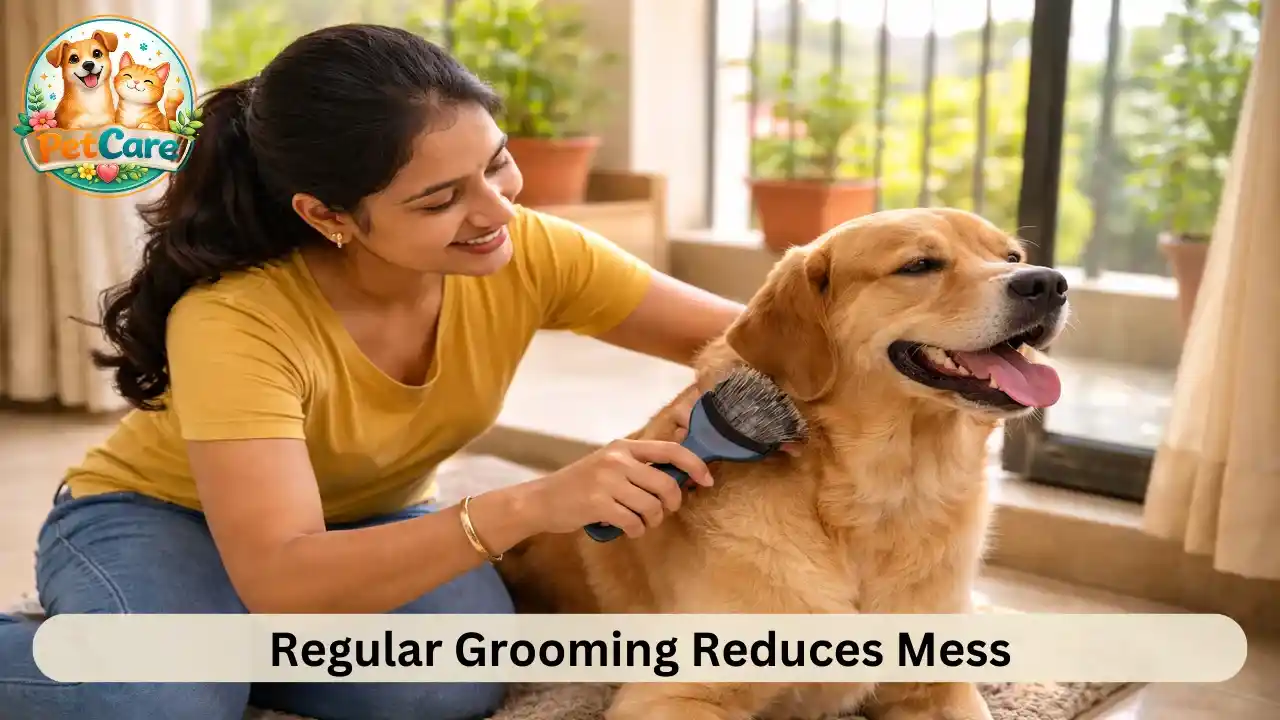
Pet hair is part of the journey. But it can be managed.
Regular brushing helps reduce loose fur. For many pet owners, brushing outdoors or near a balcony makes cleanup easier.
To manage fur inside:
Vacuum carpets twice a week
Use lint rollers on sofas
Keep washable covers on furniture
Sweep daily if you have tiled floors
If you stay consistent, fur doesn’t become overwhelming.
Proper Pet Waste Disposal Habits
Learning proper pet waste disposal is important, especially in apartments.
For dogs:
Pick up waste during walks
Use biodegradable bags
Dispose of it responsibly
For caged pets:
Avoid letting waste sit for days
Clean trays every 1–2 days
Clean disposal habits make a big difference in maintaining pet hygiene at home.
Ventilation and Natural Light
Fresh air changes everything.
Open windows whenever possible. Let sunlight enter your pet’s space. In Indian homes, natural ventilation is a huge advantage.
Sunlight helps:
Reduce damp smell
Keep bedding fresh
Make cages feel dry and comfortable
Just ensure your pet is safe from direct heat or drafts.
Organizing Pet Supplies
Mess around the pet’s area makes even a clean space feel dirty.
Keep these things organized:
Food stored in airtight containers
Cleaning cloths kept separately
Toys stored in one basket
Extra litter or bedding stacked neatly
In most homes, when supplies are organized, cleaning becomes smoother and faster.
Weekly Deep Cleaning Routine
Even with daily care, you’ll need a deeper cleaning once a week.
Your weekly checklist:
Wash all bedding
Clean cage corners thoroughly
Move furniture to sweep behind it
Wash feeding mats
Disinfect (with mild solutions) feeding bowls
Doing this consistently prevents buildup.
Common Mistakes Beginners Make
Many new pet owners try too many complicated methods. But simple works best.
Common mistakes include:
Using strong chemical cleaners
Skipping daily small cleanups
Ignoring hidden corners
Not drying cleaned areas properly
Forgetting ventilation
Cleanliness is not about harsh products. It’s about steady habits.
Making It a Stress-Free Habit
Cleaning your pet’s space should not feel like a burden. I always suggest linking it with an existing routine.
For example:
Clean after morning tea
Check litter box before dinner
Wash bowls while doing kitchen dishes
When it becomes part of daily rhythm, it doesn’t feel like extra work.