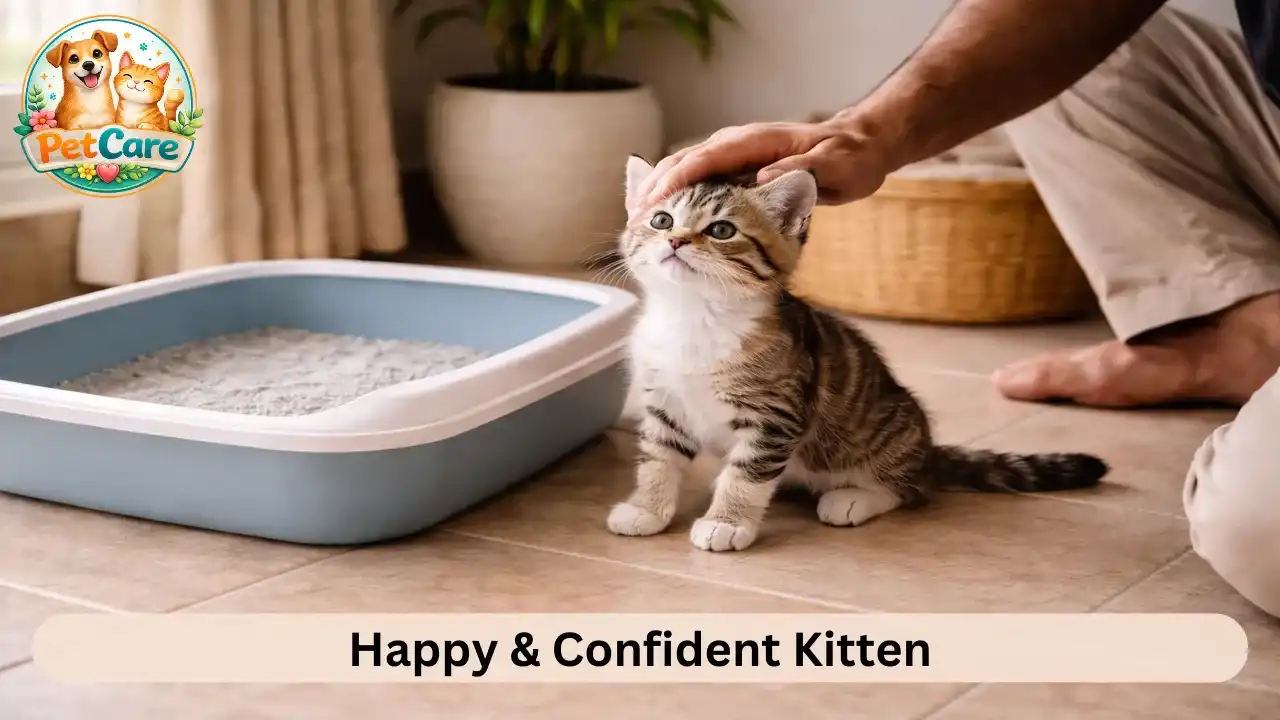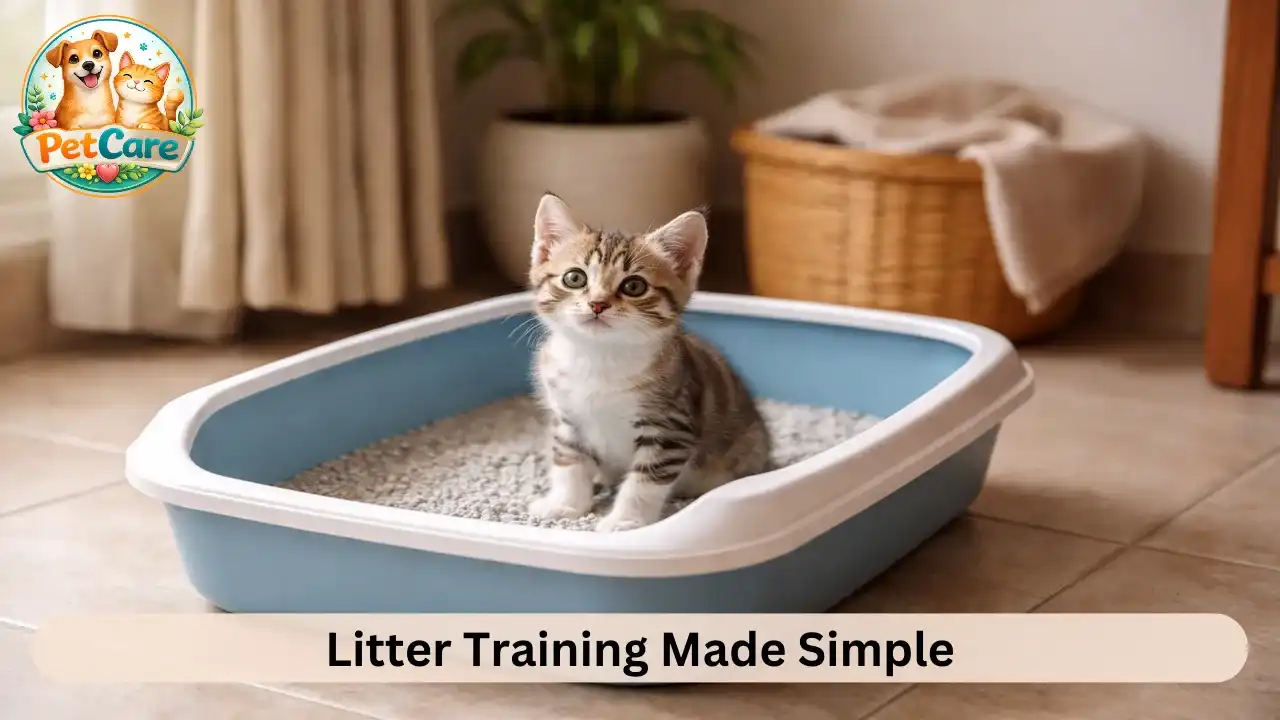
Bringing home a tiny kitten is one of the happiest feelings ever. They’re playful, curious, and full of energy. But along with the fun comes responsibility — and one of the very first things you’ll want to handle is litter box training.
If you’re wondering How to train a kitten to use a litter box fast, don’t worry. In most homes, kittens actually learn quicker than we expect. They naturally like to dig and cover their waste, so with a little guidance and patience, the process becomes smooth.
Let me share what has worked for many pet owners, including myself, especially in Indian homes where space and setup can be a bit different from Western houses.
Why Litter Box Training Is Usually Easy for Kittens
One good thing about cats is that they have a natural instinct to bury their waste. Even young kittens often understand the concept once they’re shown the correct place.
Generally, if:
The litter box is clean
It’s placed in a quiet corner
And the kitten feels safe
Training becomes much easier.
That’s why understanding kitten litter box training tips early can save you a lot of stress later.
How to Train a Kitten to Use a Litter Box Fast (Step-by-Step)
Let’s break this down into simple, practical steps.
1. Choose the Right Litter Box
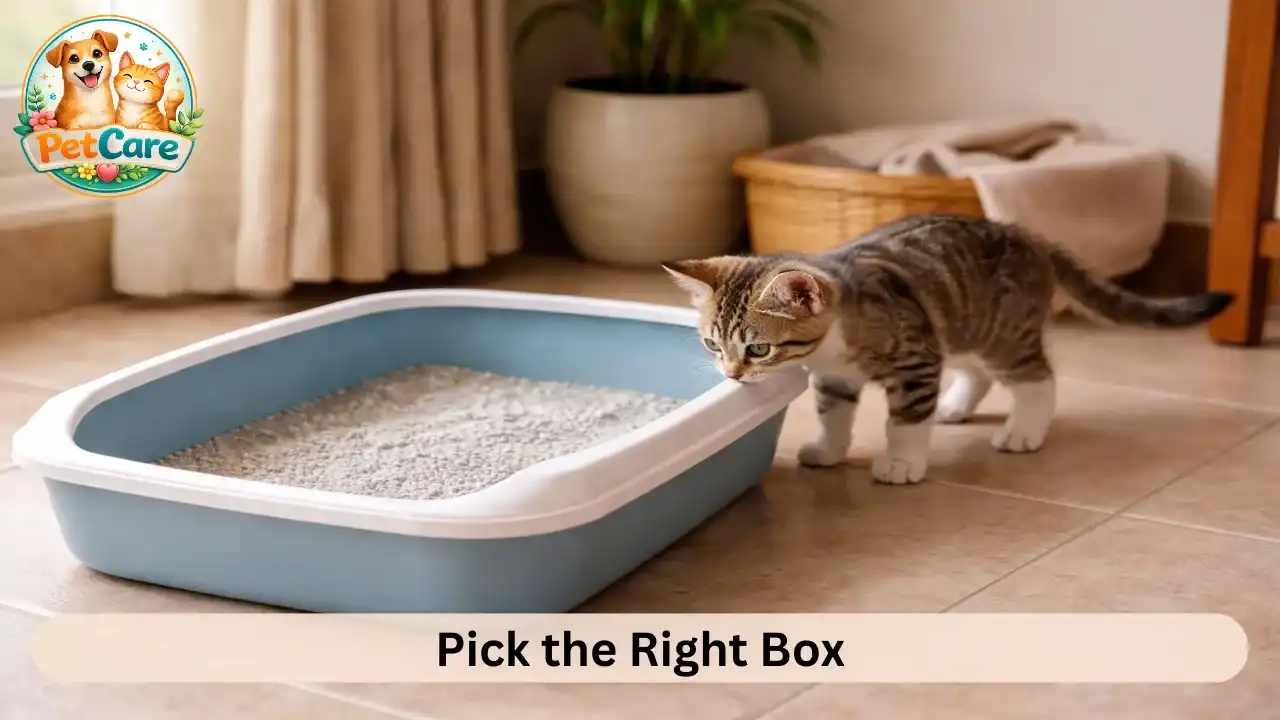
For small kittens, avoid very large or deep boxes. They may struggle to climb in.
Look for:
A low-entry litter box
Open design (closed boxes can feel scary at first)
Easy-to-clean material
In small apartments, a simple corner setup works perfectly.
This is one of the most important beginner tips in training a new kitten at home.
2. Select a Comfortable Spot
Placement matters more than many people think.
Keep the litter box:
Away from food and water bowls
In a quiet, low-traffic area
Not too close to loud appliances
In Indian homes, a bathroom corner, balcony (if safe and covered), or a utility area often works well.
If you keep shifting the box location, the kitten may get confused.
3. Introduce the Kitten to the Litter Box Immediately
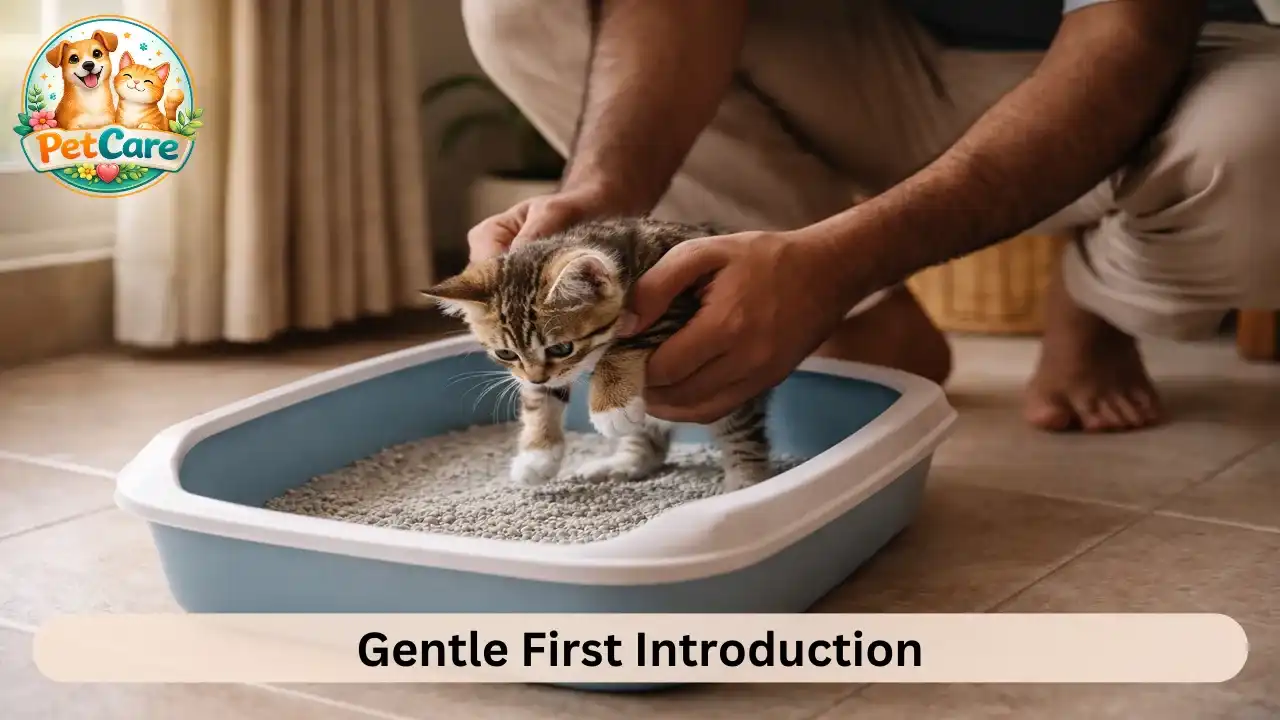
As soon as you bring your kitten home, gently place them inside the litter box. Let them sniff and explore.
You don’t have to force anything. Just allow them to:
Step in
Feel the texture
Scratch lightly
This builds familiarity from day one.
Many people ask how long litter training takes. In most cases, kittens start using it within a few days when introduced properly.
4. Set a Routine After Meals and Naps
Kittens usually go to the toilet:
After eating
After waking up
After active play
So during the first week, gently place them in the box during these times.
This simple routine makes how to make a kitten use the litter box much easier to manage.
5. Praise, Don’t Punish
If your kitten uses the litter box correctly:
Speak softly
Gently praise
Pet them calmly
If accidents happen (and they might), never shout or punish. This only creates fear.
Instead:
Clean the area properly
Calmly place them in the litter box next time
Patience is key in litter training a small kitten.
Choosing the Right Type of Litter
This part is commonly overlooked.
Some kittens prefer:
Fine, sand-like texture
Unscented litter
Strong artificial fragrances may feel overwhelming to them.
When thinking about the best litter for kitten training, try starting with something simple and unscented. Avoid changing brands too frequently in the beginning.
How to Handle Accidents Calmly
Even with proper training, accidents can happen.
If you’re struggling with a kitten not using the litter box, check:
Is the box clean?
Is it easily accessible?
Is there any loud disturbance nearby?
In many homes, a dirty litter box is the main reason kittens refuse to use it.
Cats are naturally clean animals. If it’s too messy, they may look for another spot.
Cleanliness Routine for Faster Results
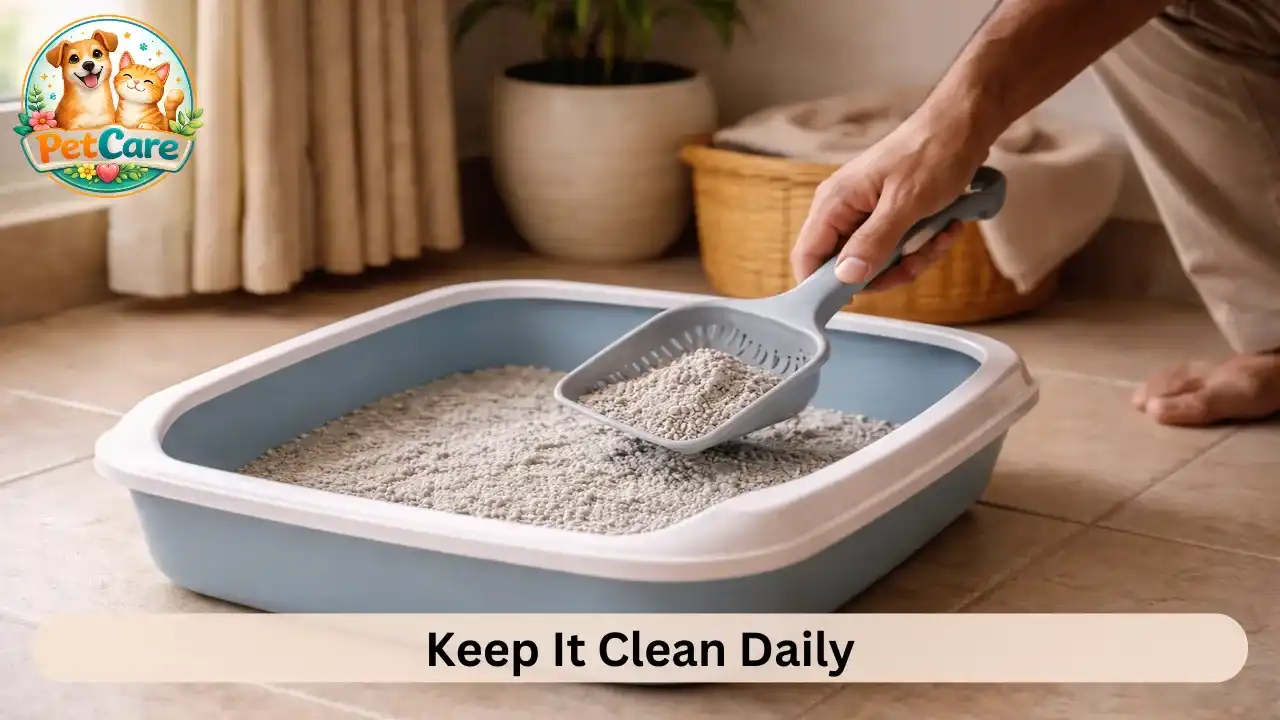
Keeping the box clean encourages regular use.
Try this simple routine:
Scoop waste once or twice daily
Replace litter as needed
Wash the box weekly with mild soap and water
Keep the surrounding area dry
This makes the environment inviting and speeds up how to litter train a kitten quickly without stress.
Common Mistakes Beginner Owners Make
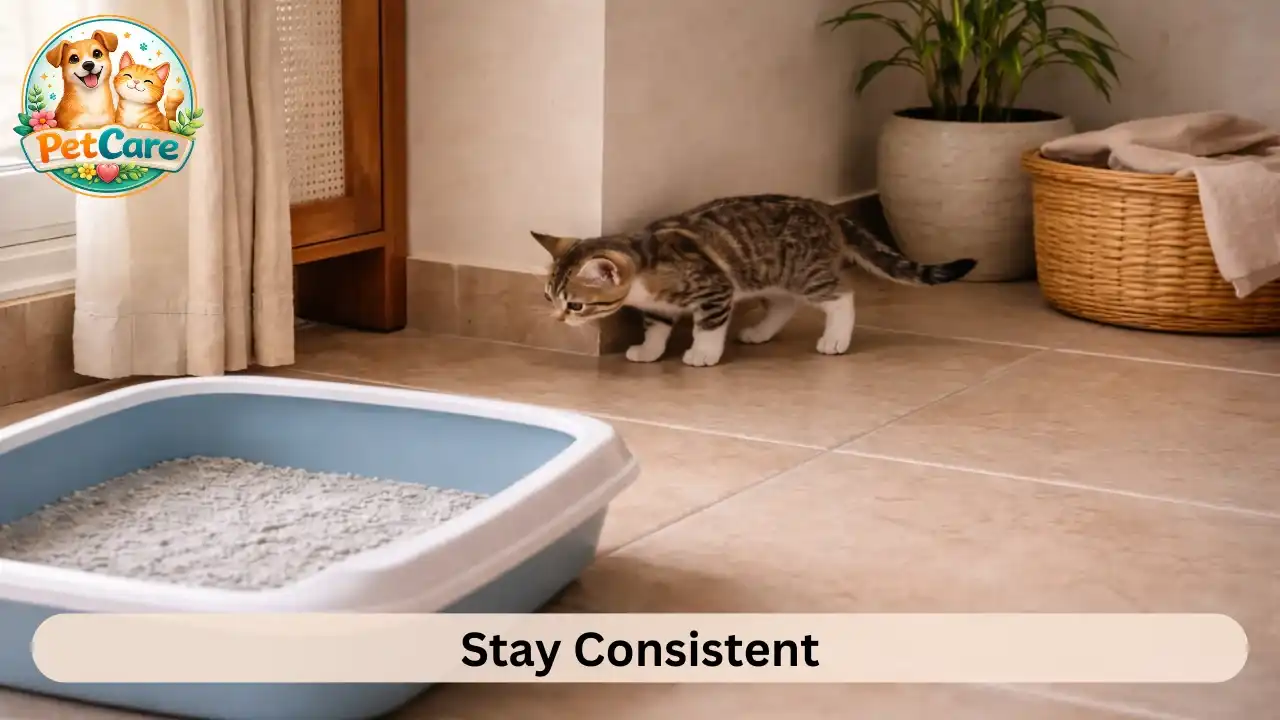
Let’s talk honestly. Many of us make small mistakes in the beginning.
❌ Changing Litter Frequently
Switching litter types repeatedly confuses kittens.
❌ Moving the Box Around
Cats rely on memory. Keep the location consistent.
❌ Using a Very Large Box
For tiny kittens, climbing high sides can be uncomfortable.
❌ Skipping Early Supervision
During the first few days, observe carefully.
Avoiding these makes house training a kitten fast much smoother.
What If You Have Multiple Pets?
If you have more than one cat, a common rule many pet owners follow is:
Number of cats + one extra litter box
For example:
2 cats = 3 litter boxes
This prevents competition and encourages regular use.
Indoor vs Outdoor Habits
If your kitten was born outdoors or in a shelter, they might need extra guidance.
Still, don’t worry.
Because of their natural instincts, even outdoor kittens often adapt well to indoor litter box use when shown consistently.
How Long Does It Take?
Every kitten is different.
In most homes:
Some learn in 2–3 days
Others may take a week or slightly more
The important part is consistency and calm behaviour from your side.
Remember, learning litter habits is part of overall kitten care for beginners. Once established, it becomes automatic.
Creating a Comfortable Setup in Indian Homes
Many Indian families live in apartments with limited space.
Here are practical tips:
Use a covered balcony only if it’s secure
Avoid placing the box near washing machines
Keep it away from cooking areas
Maintain hygiene due to warmer climate
Small adjustments can make litter training smoother and cleaner.