


Daily routine for pet dog at home

Daily routine for pet dog at home

Bringing a dog home is one of the happiest decisions many families make. But after the excitement settles, one common question remains — what should a daily routine for pet dog at home (morning to night schedule) actually look like?

In most homes, dogs feel safe and balanced when they follow a predictable routine. Just like us, they get used to specific wake-up times, meals, walks, and play sessions. A proper daily structure not only keeps your dog active but also helps with behavior, toilet training, and overall happiness.

If you’re a beginner pet parent, don’t worry. I’ll share a simple, practical dog schedule that works well in many Indian households.

Why a Daily Routine Matters for Your Dog

Dogs are creatures of habit. When things happen at regular times, they feel secure. A structured pet dog daily routine at home helps with:

  • Better digestion and feeding habits

  • Fewer toilet accidents

  • Reduced boredom

  • Improved bonding

  • Calmer behavior indoors

Many new owners think dogs need constant attention all day. Actually, what they need more is consistency.

Morning Routine (6:00 AM – 9:00 AM)

Dog on a leash enjoying a peaceful morning walk in a residential Indian neighborhood.

Morning time is very important in a dog’s day. Energy levels are usually high after a full night’s rest.

1. Wake-Up and First Potty Break

As soon as your dog wakes up, take them outside (or to their designated potty area).

This is especially important in a daily dog care schedule for puppies, as young dogs cannot hold their bladder for long.

Tip:
Avoid checking your phone first. Your dog should be your first priority in the morning.

2. Morning Walk (20–40 Minutes)

A proper morning walk for pet dog routine helps release energy and keeps them mentally stimulated.

In most homes:

  • Small breeds may need 20–25 minutes.

  • Medium and large breeds may need 30–40 minutes.

During the walk:

  • Let them sniff around.

  • Allow short breaks.

  • Keep it calm and positive.

Avoid rushing the walk. For many pet owners, the biggest mistake is cutting the walk too short.

3. Breakfast Time
Pet dog eating breakfast from a bowl inside a clean Indian home kitchen area.

After returning from the walk, give your dog fresh water and then their meal.

A consistent pet dog feeding schedule at home usually includes:

  • 2 meals a day for adult dogs

  • 3 meals a day for puppies

Keep meal times fixed. For example, 8:00 AM breakfast works well in most Indian households.

Common mistake:
Changing food brands or quantities too frequently. Stick to one balanced feeding routine.

Mid-Morning to Afternoon (10:00 AM – 4:00 PM)

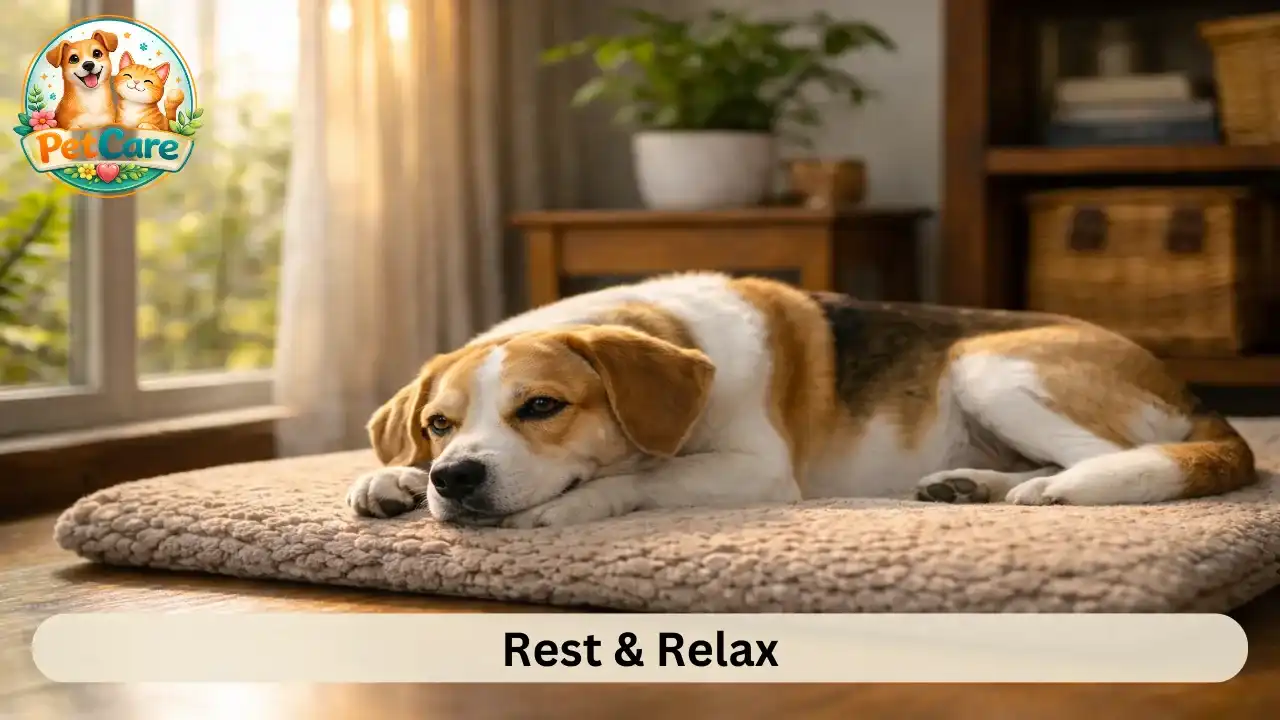
Dog relaxing on a comfortable mat near a window during the afternoon.

This is usually quieter time, especially if family members go to school or office.

4. Rest and Independent Time

Dogs naturally nap during this period. On average, dogs sleep 12–14 hours daily.

Make sure they have:

  • A clean sleeping area

  • Good ventilation

  • Access to fresh water

A comfortable dog routine indoors at home does not require constant entertainment.

5. Short Play Session (If Someone Is Home)

If someone stays at home, a 10–15 minute interactive play session helps.

Ideas:

  • Tug games

  • Basic training practice

  • Light indoor fetch

  • Puzzle toys

A structured daily exercise routine for pet dogs doesn’t always mean long walks. Mental games are equally important.

6. Quick Potty Break (If Needed)

Younger dogs may need one short potty outing during the afternoon.

Adult dogs in many homes manage without it if the morning walk was proper.

Evening Routine (5:00 PM – 8:00 PM)

Pet owner playing with their dog indoors during evening time at home.

Evening is another high-energy time for most dogs.

7. Evening Walk

An evening walk schedule for pet dog is just as important as the morning one.

This walk can be:

  • Relaxed and social

  • Slightly playful

  • A little longer on cooler days

In many Indian cities, evening is a more comfortable time due to weather.

Tip:
Avoid taking your dog out during extreme heat. Early morning and late evening work better.

8. Basic Training Time (5–10 Minutes)

Dog following a simple sit command during a short indoor training session.

Short daily training keeps your dog mentally sharp.

Practice:

  • Sit

  • Stay

  • Come

  • Leash manners

  • Waiting before meals

A simple dog daily routine checklist should always include at least a few minutes of structured interaction.

Consistency matters more than duration.

Dinner Routine (8:00 PM – 9:00 PM)

Dinner timing should ideally be 2–3 hours before bedtime.

This allows time for:

  • Digestion

  • A final potty break

In a balanced pet dog feeding schedule at home, avoid very late meals. It may disturb night sleep.

After dinner:

  • Offer clean water

  • Keep activity light

Avoid heavy play immediately after meals.

Night Routine (9:00 PM – 10:30 PM)

Pet dog resting quietly with family during night relaxation time at home.

The night routine is about winding down.

9. Calm Time with Family

Most dogs enjoy lying near family members while everyone relaxes.

This is a great time for:

  • Light grooming

  • Brushing

  • Gentle bonding

A predictable daily routine for pet dog at home (morning to night schedule) ends with calmness, not excitement.

10. Final Potty Break

Before sleeping, take your dog out one last time.

This reduces midnight accidents, especially in beginners’ homes.

Then settle them in their sleeping spot.

Try to keep bedtime consistent every day.

Sample Daily Schedule for Pet Dog at Home

Here’s a simple example you can adjust:

  • 6:30 AM – Wake up & potty

  • 7:00 AM – Morning walk

  • 8:00 AM – Breakfast

  • 9:30 AM – Rest

  • 1:00 PM – Short play/potty (if needed)

  • 5:30 PM – Evening walk

  • 6:30 PM – Training/play

  • 8:00 PM – Dinner

  • 9:30 PM – Relax time

  • 10:00 PM – Final potty & sleep

This basic home routine for pet dogs works well in most average households.

Common Beginner Mistakes

Many new dog owners unintentionally create confusion by:

  • Feeding at random times

  • Skipping walks

  • Over-exercising puppies

  • Giving too many treats

  • Not providing enough mental stimulation

  • Allowing irregular sleep patterns

Remember, dogs love structure. Sudden changes can lead to restlessness.

Adjusting the Routine Based on Age

Puppies

  • More frequent meals

  • Shorter but more frequent potty breaks

  • Extra training time

  • More supervision

Adult Dogs

  • Two fixed meals

  • Two proper walks

  • Moderate play

Senior Dogs

  • Shorter walks

  • Comfortable rest space

  • Slower pace

Every dog is different. Observe your pet and adjust accordingly.

Practical Care Tips for Indian Homes

  • Always keep clean drinking water available.

  • Avoid very hot surfaces during walks.

  • Provide shade and ventilation.

  • Keep feeding bowls clean.

  • Maintain grooming as part of weekly routine.

  • Use calm voice commands.

Consistency makes all the difference in a daily routine for pet dog at home (morning to night schedule).

FAQs About Daily routine for pet dog at home

1. How many walks does a pet dog need daily?

Most adult dogs are comfortable with two walks per day — one in the morning and one in the evening. Puppies may need more frequent short outings.

2. What is the best time to feed a dog at home?

Generally, morning and early evening work well. Keep the timing consistent every day.

3. Can I skip the morning walk sometimes?

Occasionally it may happen, but regularly skipping walks can lead to excess energy and restlessness.

4. How long should playtime be daily?

Around 20–40 minutes total (spread throughout the day) works well in many households.

Final Thoughts on Daily routine for pet dog at home

If there is one thing I have noticed over time is that dogs don’t need luxury, they need rhythm.In most homes, once a stable routine is set, dogs become calmer, more cooperative, and easier to manage. They understand when to play, when to eat, and when to rest. You don’t need a complicated chart. Just build a predictable flow from morning to night and stick to it.You have to give time to your dog.Your dog will slowly adjust, and your life as a pet parent will feel much smoother.