Indian Ringneck Parrot Care Guide
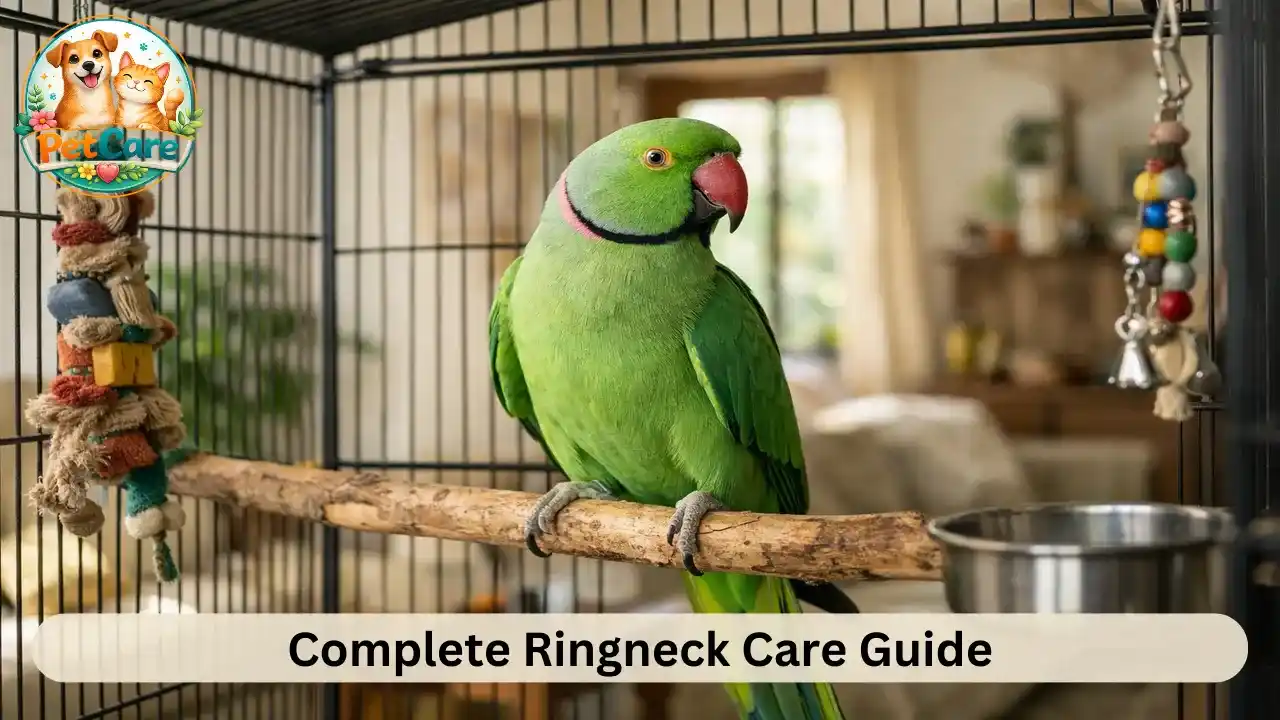
If you’ve recently brought home a Ringneck or are planning to adopt one, you’re in the right place. This Indian Ringneck parrot care guide is written from the perspective of a regular pet owner who has learned through experience — small mistakes, daily routines, and lots of bonding moments.
Indian Ringnecks are intelligent, expressive, and sometimes a little dramatic. In many Indian homes, they quickly become the most talkative member of the family. But they are not low-maintenance birds. They need proper attention, stimulation, and a stable routine to truly settle in.
Let’s go step by step and understand how to care for your feathered friend in a practical and beginner-friendly way.
Understanding Indian Ringneck Parrot Behavior
Before setting up food bowls and cages, it’s important to understand their personality.
Indian Ringnecks are:
Highly intelligent and curious
Independent compared to some other pet parrots
Known for strong memory and mimicry ability
Sensitive to sudden changes
In most homes, they bond closely with one person but can still interact well with other family members. They love observing everything happening around them. If ignored for long periods, they may start calling loudly to get attention.
Understanding Indian Ringneck parrot behavior early helps prevent frustration later.
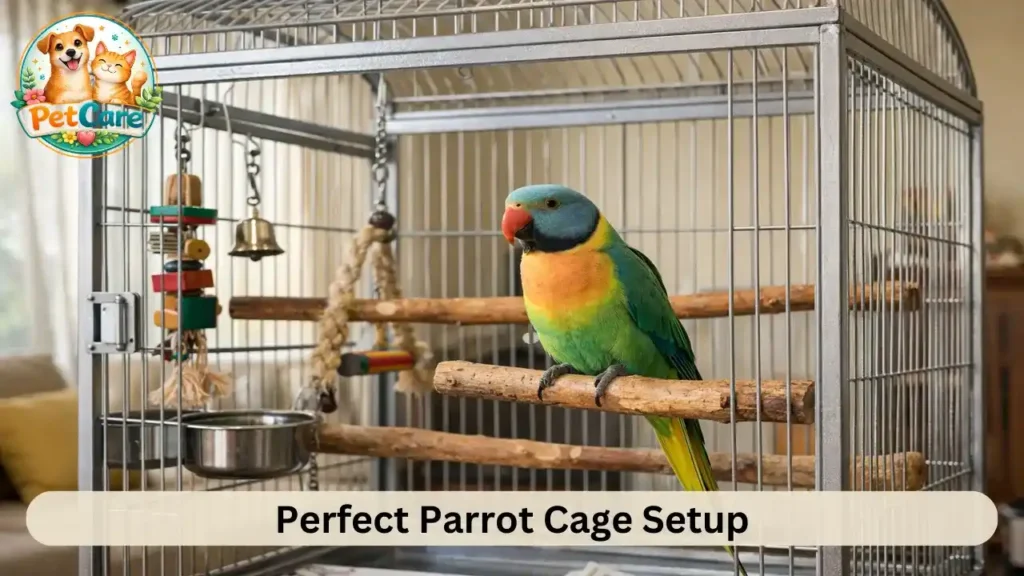
Setting Up the Right Cage and Living Space
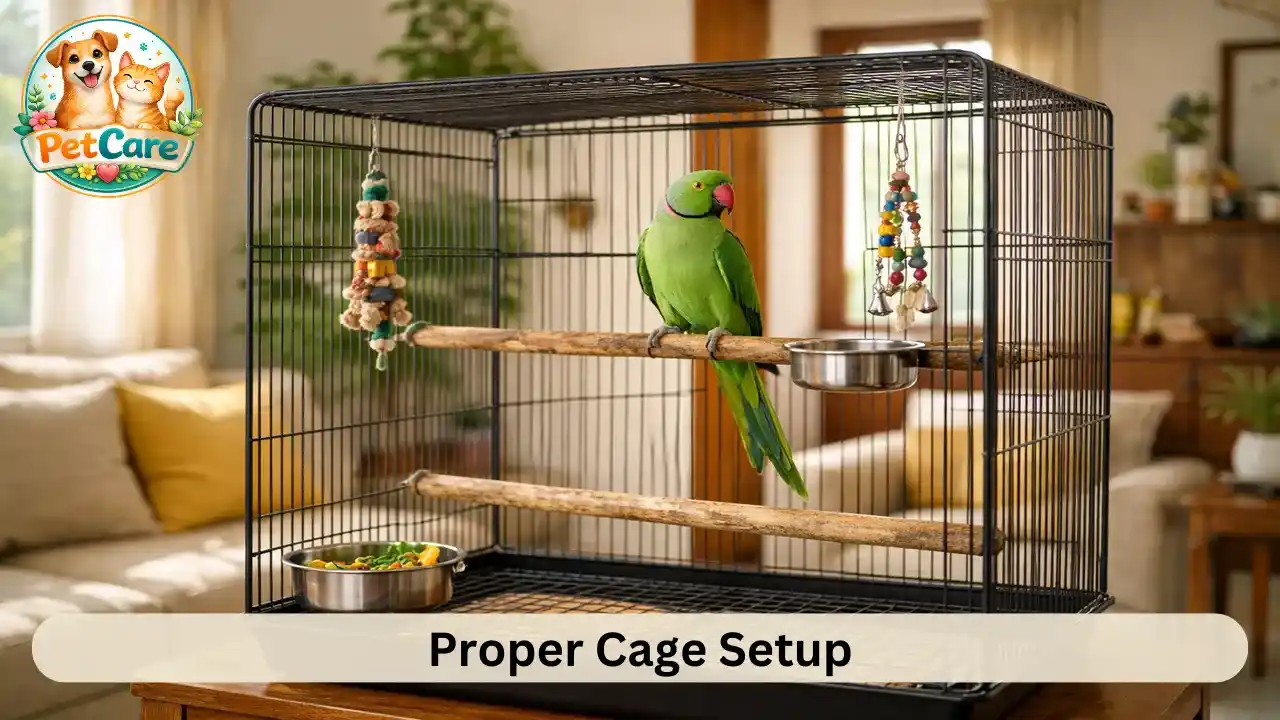
A proper Indian Ringneck cage setup plays a huge role in their happiness.
Cage Size
Ringnecks are active birds. They climb, flap, and move around constantly.
Choose:
A cage wide enough for full wing stretching
Horizontal bars for climbing
Strong, durable material
Generally, bigger is always better when it comes to cage space.
Placement in the Home
Avoid:
Direct sunlight for long hours
Kitchens (due to smoke and fumes)
Drafty windows
In many homes, placing the cage in the living room works well because they enjoy family activity.
Indian Ringneck Parrot Feeding Guide
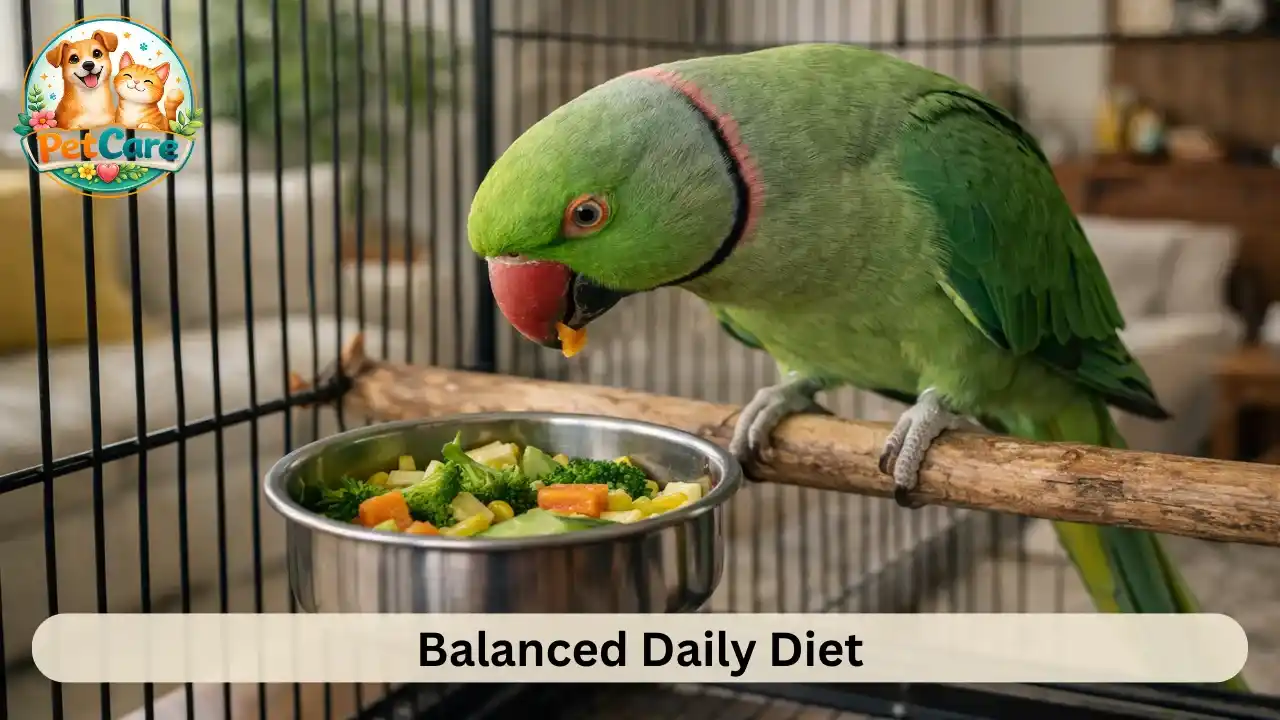
Diet is one of the most important parts of this Indian Ringneck parrot care guide.
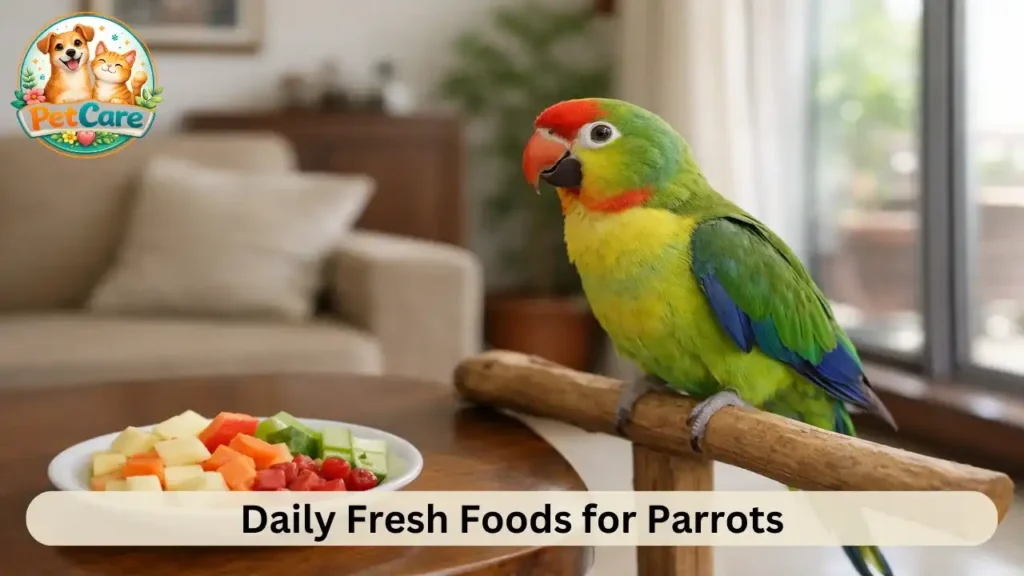
A balanced Indian Ringneck parrot diet typically includes:
High-quality pellets (as base diet)
Fresh vegetables (like carrots, beans, leafy greens)
Limited fruits (like apple, pomegranate)
Soaked or sprouted seeds occasionally
Avoid giving:
Junk food
Chocolate
Salty or spicy household snacks
In Indian households, it’s common for people to offer bits of roti or cooked rice. Small amounts occasionally may be fine, but their main nutrition should come from bird-appropriate food.
Always provide fresh drinking water daily.
Daily Out-of-Cage Time and Exercise
Indian Ringnecks are not meant to sit inside a cage all day.
In most homes, 1–3 hours of supervised out-of-cage time works well.
During this time:
Let them perch on a stand
Encourage gentle play
Allow safe flying indoors (if trained)
Regular exercise helps with mental stimulation and reduces boredom-related behaviors.
Indian Ringneck Parrot Training Tips
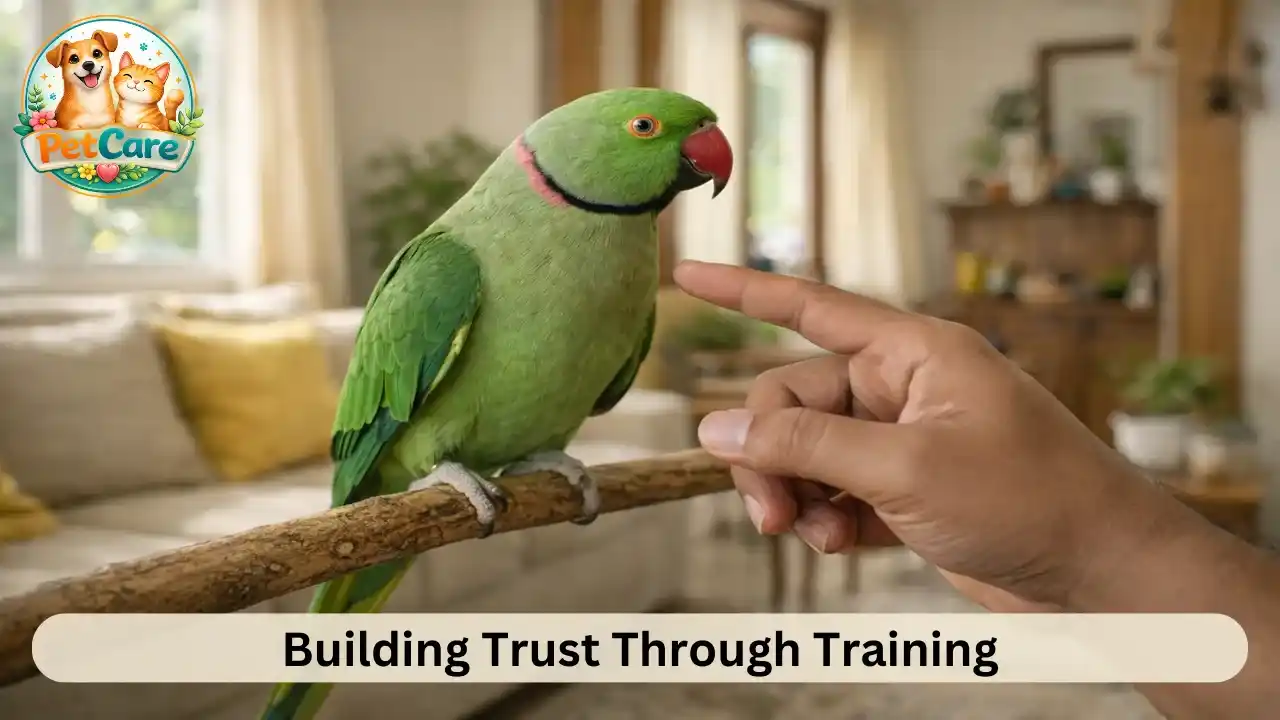
Training builds trust.
Start with simple steps:
Offer treats by hand
Speak softly and consistently
Teach “step-up” command
Indian Ringneck parrot training requires patience. They may test boundaries, especially during adolescence. Stay calm and consistent rather than reacting loudly.
Talking ability improves with daily repetition. Many pet owners notice their Ringneck picking up commonly repeated household words.
Toys and Mental Stimulation
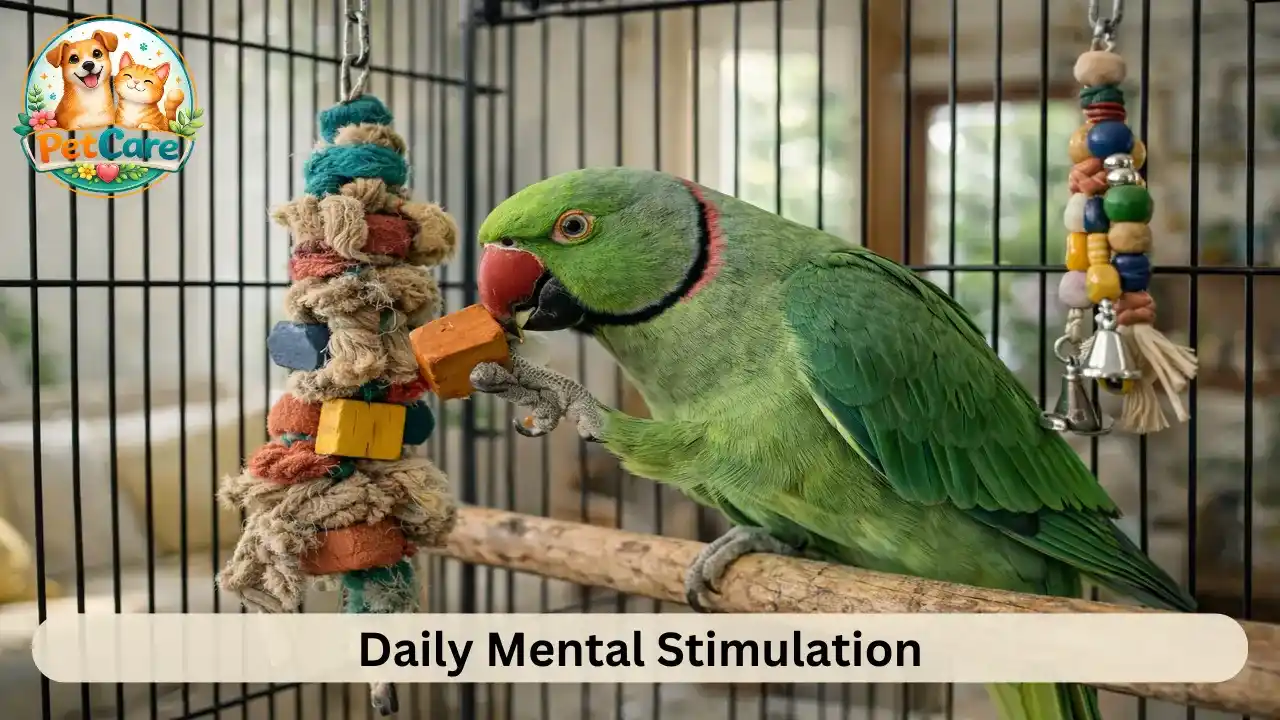
Ringnecks are clever. If they get bored, they create their own entertainment — sometimes by chewing furniture.
Provide:
Wooden chew toys
Rope perches
Puzzle toys
Rotating toy options
In many homes, rotating toys every few weeks keeps them interested.
Mental stimulation is just as important as food.
Grooming and Cleanliness
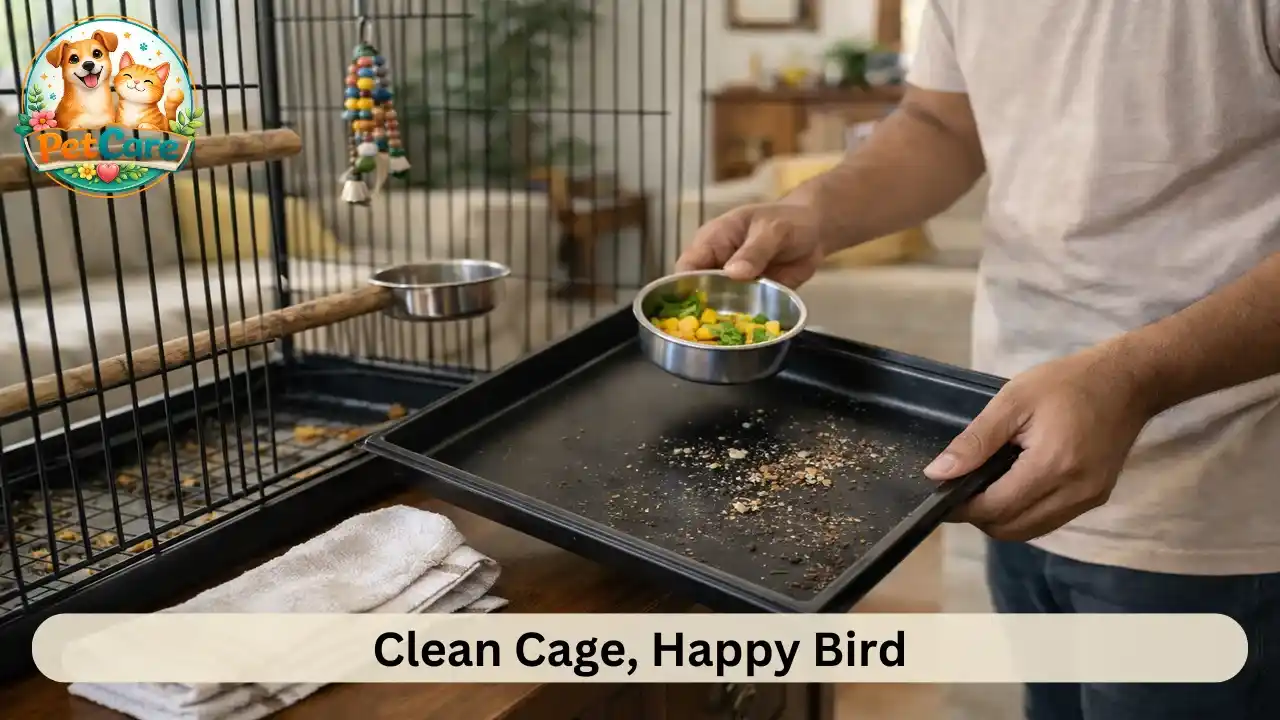
Indian Ringneck grooming needs are simple but regular.
Feather Care
They maintain most of their feather hygiene themselves through preening. Occasional misting with clean water can help them enjoy a light “bath.”
Nail and Beak Care
Providing different types of perches generally helps maintain nail length naturally.
Keep their cage clean:
Remove leftover food daily
Clean water bowls every day
Deep-clean the cage weekly
A clean cage prevents unpleasant smells and keeps the home fresh.
Social Bonding and Interaction
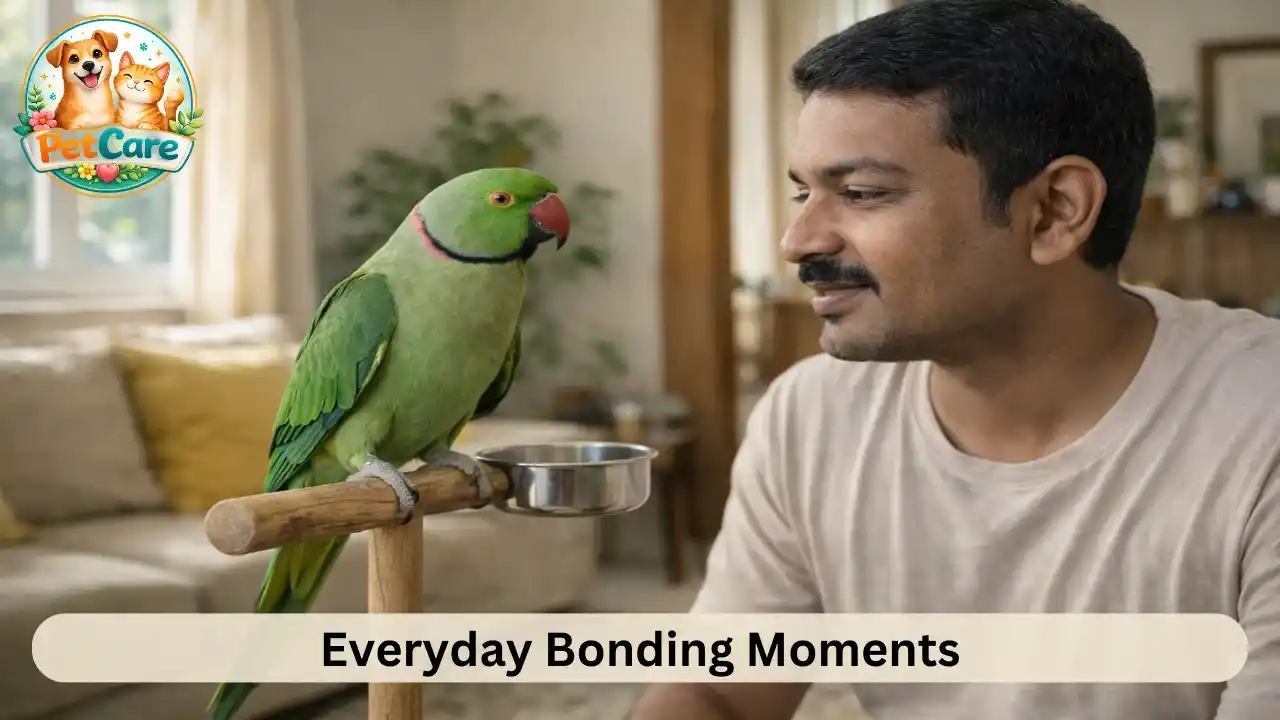
Indian Ringnecks are not cuddly like some parrots, but they do enjoy interaction.
Spend daily time:
Talking to them
Sitting near them
Allowing them to observe you
In most homes, consistency builds trust faster than forcing physical affection.
Respect their space when they show signs of irritation, such as pinning eyes or raised feathers.
Common Beginner Mistakes
Almost every new owner makes a few mistakes. Here are some common ones:
Buying a small cage to save space
Feeding too many sunflower seeds
Ignoring daily interaction
Expecting instant talking ability
Forcing handling too soon
Indian Ringneck care for beginners becomes much easier when expectations are realistic.
They need patience, structure, and time to adjust.
Creating a Routine at Home
Birds feel secure with routine.
Try maintaining:
Fixed feeding times
Consistent light and sleep cycle
Predictable interaction schedule
Most Ringnecks need 10–12 hours of quiet sleep daily. Covering the cage at night (in a calm environment) can help signal bedtime.
In Indian households where evenings are lively, ensure the bird still gets proper rest.
Understanding Different Life Stages
Young Ringnecks are usually more adaptable and easier to train.
During adolescence, some behavioral changes are common:
Testing limits
Being slightly more vocal
Temporary mood shifts
With calm handling and steady routine, most birds settle into stable adult behavior.
Is an Indian Ringneck Right for You?
This Indian Ringneck parrot care guide would be incomplete without honest advice.
They are suitable for:
Families who can give daily time
Individuals who enjoy training and interaction
Homes comfortable with moderate noise
They may not be ideal if:
You want a very quiet bird
You’re away from home most of the day
In many pet-loving homes across India, they adapt beautifully when given attention and space.
FAQs About Indian Ringneck Parrot Care Guide
With proper general care, they commonly live for many years. Long-term commitment should always be considered before adoption.
Many can mimic words very clearly if trained consistently. However, not every bird will talk the same way.
They can be, provided the owner is patient and willing to learn about Indian Ringneck care for beginners.
Yes, in most homes they prefer regular interaction. Lack of attention may lead to louder calling or withdrawn behavior.
Final Thoughts on Indian Ringneck Parrot Care Guide
Living with an Indian Ringneck is honestly a long-term commitment, and from my own experience, they teach you as much as you teach them. When I first kept a Ringneck at home, I realised very quickly that patience matters more than anything else. They are intelligent companions who constantly observe, learn, and react to your tone, routine, and even your mood. Sometimes they also copy you,which feels amazing.Generally, the more consistent and calm you are, the more secure they feel. If you provide proper food, mental stimulation, space to move, and daily interaction, your Ringneck will gradually build trust and show its real personality in small, beautiful ways. There will be noisy days, stubborn phases, and moments when you wonder if you’re doing everything right and that’s completely normal. With time, steady care, and simple daily bonding, they start responding to your voice and presence in a way that feels very personal. Owning one is less about control and more about understanding, and in my experience, the bond you build slowly over months is what truly makes sharing your home with a Ringneck so special.At last,I personally suggest you that if you are thinking of keeping a pet,then it should be a Ringneck. Trust me, raising it will be a new experience and you will enjoy it.